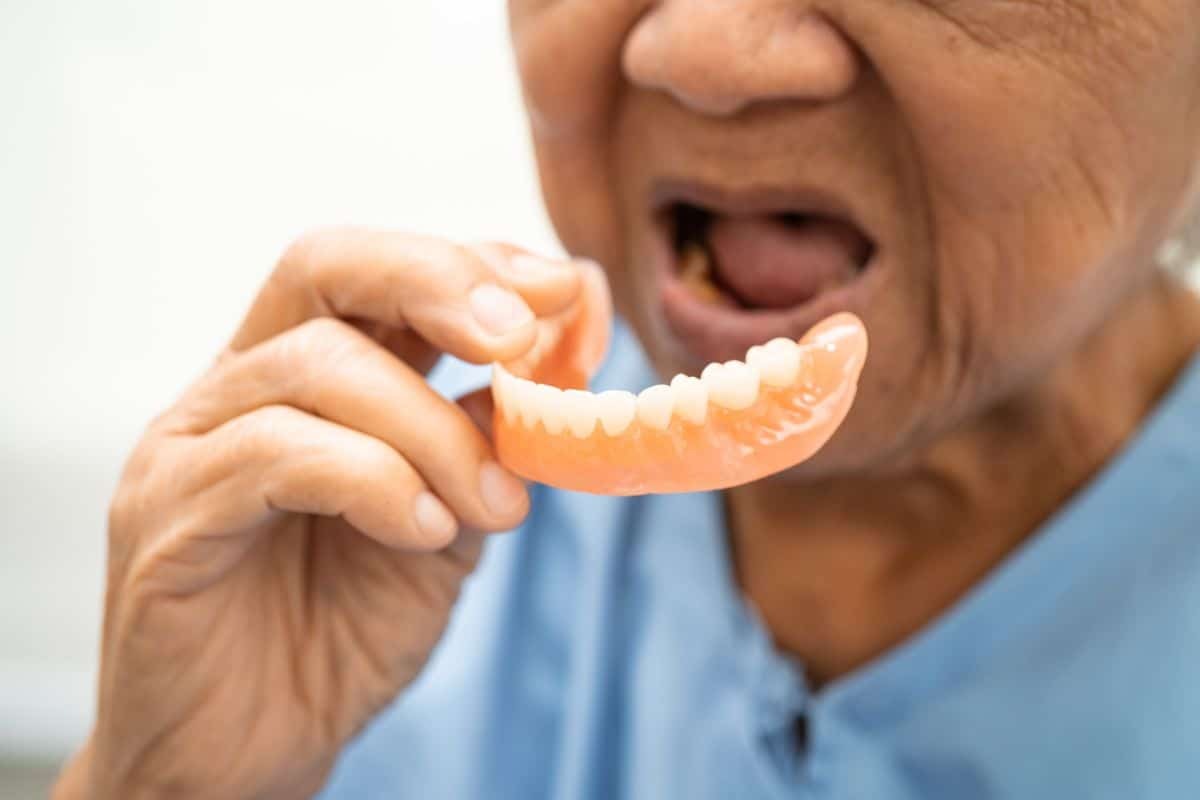
A complete, functional smile does far more than just brighten your appearance. It restores your ability to speak clearly, enjoy your favorite meals, and maintain proper facial structure. For many adults living in Sun City West, prosthetic appliances provide a vital foundation for everyday health and self-confidence. However, like any quality medical or dental prosthetic, prostheses are not meant to last forever. Over time, natural changes in your mouth and wear-and-tear on the prosthetic materials will make replacement necessary.
At Sunridge Dental Care, located conveniently on W. Camino Del Sol, we are dedicated to helping our community maintain healthy, functional, and beautiful smiles throughout every chapter of life. Our experienced team, led by Dr. Amy Okun, Dr. Cynthia Colson, and Dr. William F. Gioia, combines advanced restorative techniques with compassionate, patient-first care to ensure your prosthetic appliances always feel natural and look exceptional.
If you have been wondering whether your current set has reached the end of its lifespan, here is clinical insight into the warning signs that indicate it is time to upgrade, along with what you can expect from modern tooth-replacement solutions.
What Is the Typical Lifespan of Dentures?
On average, a well-cared-for set lasts between 5 to 8 years. Even if the acrylic teeth and frame appear intact on the outside, the underlying biological structures in your mouth shift continually over time.
When natural tooth roots are missing, the jawbone undergoes a natural process called resorption, a gradual shrinking of the bone density and tissue that once held your natural teeth. As the jawbone changes shape while the acrylic base remains static, a prosthetic that fitted perfectly six years ago will eventually loosen, shift, or cause discomfort.
Recognizing the early warning signs of wear prevents long-term oral health complications, painful tissue irritation, and embarrassing accidents.
8 Signs It’s Time to Replace Your Dentures
If you experience any of the following symptoms, your prosthetic appliance is likely overdue for an evaluation, adjustment, or complete replacement.
1. Slipping, Clicking, or Poor Stability
One of the most obvious signs that your appliance needs attention is a loss of retention. Do your lower plates float when you speak? Do your upper plates break suction when you laugh or yawn? Do you hear a clicking sound when you chew?
When prostheses begin to slip out of place, it indicates that your jawbone and gums have reshaped. While temporary adhesives can provide short-term relief, relying on paste daily to keep your teeth in place is a sign that the physical fit has degraded beyond simple home maintenance.
2. Difficulty Chewing or Changes in Speech
Prosthetics are designed to restore proper bite force and phonetic articulation. If you find yourself avoiding firm foods, favoring one side of your mouth, or struggling to pronounce certain consonant sounds (like “s,” “f,” or “th”), your prosthetics are no longer functioning as intended.
Worn-down acrylic teeth lose their original occlusal (biting) surface detail, forcing your jaw muscles to work much harder to break down food. This can lead to digestive discomfort from inadequately chewed meals, as well as chronic jaw fatigue.
3. Persistent Gum Irritation and Sore Spots
When prosthetics fit correctly, they distribute biting pressure evenly across your arch. However, as the underlying bone shifts, pressure points develop. Friction between loose acrylic and sensitive soft tissue causes localized inflammation, raw sore spots, and painful ulcers.
If you frequently experience raw gums or burning sensations despite practicing good hygiene, your appliance is no longer distributing forces properly and needs professional attention.
4. Visible Chips, Cracks, or Discoloration
Inspect your prosthetic regularly under good lighting. Small micro-fractures, hairline cracks, or chipped artificial teeth compromise the structural integrity of the entire appliance.
Additionally, dental acrylic is porous. Over years of daily exposure to coffee, tea, citrus, and naturally occurring oral bacteria, old acrylic can develop persistent discoloration and deep-seated odors that standard cleaning solutions can no longer lift. Cracks also trap harmful bacteria, increasing your risk of oral thrush or stomatitis.
5. Changes in Your Facial Structure
Your teeth and jawbone support the lower third of your face, keeping your cheeks firm and your lips full. As jawbone tissue resorbs and artificial teeth wear down, the distance between your nose and chin shortens when your mouth is closed, a condition known as a reduced “vertical dimension of occlusion.”
This collapse can result in:
- Deepened lines around the mouth and nose.
- A sunken or hollow appearance in the cheeks.
- Drooping corners of the mouth, which can trap moisture and lead to painful skin infections like angular cheilitis.
Replacing an old set with a properly proportioned prosthetic restores natural facial volume and restores a youthful contour to your jawline.
6. Chronic Headaches or Jaw Pain
An improper bite or bite force does not just affect your mouth; it strains the entire temporomandibular system. If your prosthetics do not meet evenly when you chew, your jaw joints (TMJ) and surrounding facial muscles must overcompensate. This unnatural strain can trigger chronic tension headaches, neck pain, clicking in the jaw joint, and facial soreness.
7. Persistent Bad Breath (Halitosis)
Even with diligent daily brushing and soaking, old prosthetics eventually develop microscopic surface scratches and pits. These tiny crevices harbor colonies of anaerobic bacteria and fungi that cannot be removed with over-the-counter cleansers. If you suffer from stubborn bad breath despite maintaining meticulous oral hygiene, micro-porosity in aging acrylic is often the primary culprit.
8. You Have Had the Same Set for Over 5 to 7 Years
Even if you feel your current teeth are performing adequately, age alone is a primary reason for a clinical checkup. The subtle changes in bone density and acrylic wear occur gradually, meaning many patients adapt to uncomfortable or ill-fitting teeth without realizing how much function they have lost. If it has been more than 5 years since your set was made, scheduling a professional evaluation is essential for long-term health.
How Modern Dentures Offer Superior Comfort
If you need a replacement, you will be pleased to discover that prosthetic dentistry has advanced significantly in recent years. Modern dental technology, high-grade biocompatible materials, and digital impressions allow us to craft prosthetics that are vastly superior to those made a decade ago.
When seeking custom dentures in Sun City West, patients at Sunridge Dental Care benefit from high-density, stain-resistant acrylics and meticulously sculpted teeth that replicate the optical properties, depth, and shade of natural tooth enamel.
Exploring Your Replacement Options
Depending on your specific anatomy, health goals, and budget, several replacement paths are available:
- Full Conventional Dentures: Ideal for patients who are missing an entire upper or lower arch of teeth. Custom-designed to rest comfortably over your gums, full prosthetics restore complete aesthetics and speech functionality.
- Partial Dentures: If you retain several healthy natural teeth, a partial prosthetic fills the empty spaces while securing to adjacent teeth with precise, discrete connectors, preventing remaining teeth from drifting out of alignment.
- Implant-Supported Overdentures: For the ultimate level of stability, modern dentistry allows prosthetics to anchor directly to titanium dental implants placed securely in the jawbone. Implant-supported options eliminate slipping entirely, restore near-natural biting power, and actively stimulate the jawbone to stop bone loss.
To review full service details and learn more about personalized treatment options, explore our dedicated resource on custom dental prosthetics.
The Risks of Delaying Replacement
Attempting to squeeze extra years out of a broken or ill-fitting prosthetic can lead to preventable oral and systemic health issues:
- Accelerated Bone Loss: Uneven pressure distribution accelerates ridge resorption, making future prosthetic fit significantly more challenging.
- Chronic Soft Tissue Damage: Ongoing friction causes fibrous tissue growth (epulis fissuratum) that may require surgical removal before a new prosthetic can be fitted comfortably.
- Nutritional Deficiencies: Inability to chew nutrient-dense foods like raw vegetables, nuts, and lean meats often leads patients to favor soft, processed, carbohydrate-heavy diets, impacting overall health and digestive wellness.
How Our Team Restores Your Comfort and Confidence
At Sunridge Dental Care, we take a tailored, precise approach to tooth replacement. When you schedule a consultation for new dentures in Sun City West, Dr. Amy Okun, Dr. Cynthia Colson, and Dr. William F. Gioia perform a comprehensive evaluation of your jaw alignment, soft tissue health, and facial contours.
We evaluate how your bite meets, measure vertical dimensions, and collaborate with skilled dental laboratories to design a high-precision, natural-looking prosthetic. We conduct wax try-ins so you can preview your new smile’s appearance and bite fit before final fabrication, ensuring complete satisfaction with your comfort and appearance.
Simple Care Practices to Extend Your Prosthetic’s Lifespan
Once you receive your new replacement, establishing a proper maintenance routine will preserve its appearance and function for years to come:
- Rinse After Meals: Remove loose food debris by rinsing your prosthetics with lukewarm water after eating.
- Brush Daily with Non-Abrasive Cleanser: Clean your appliance using a soft-bristled brush specifically designed for prosthetics. Avoid regular toothpaste, which contains microscopic abrasives that scratch acrylic surfaces.
- Soak Overnight: Keep prosthetics moist when not in your mouth to prevent the acrylic from warping or drying out. Soak them in plain water or a dentist-approved cleansing solution.
- Never Use Boiling Water: High temperatures warp acrylic materials, permanently ruining the custom fit.
- Schedule Annual Dental Visits: Even full-arch wearers require regular checkups so our dentists can inspect soft tissues, perform oral cancer screenings, and verify the structural fit of the appliance.
If you suspect your current set is failing, securing expert evaluation for your dentures in Sun City West is the best step toward enjoying painless eating and a renewed smile.
Take the First Step Toward a Comfortable, Confident Smile
Living with slipping prosthetics, painful sore spots, or chewing difficulties shouldn’t be your daily norm. Upgrading your smile directly restores your confidence, facial aesthetics, and overall nutritional health.
At Sunridge Dental Care, Dr. Amy Okun, Dr. Cynthia Colson, and Dr. William F. Gioia combine decades of clinical experience with modern dental technology to deliver high-precision, natural-looking dentures in Sun City West. Whether you require a simple reline or a custom conventional replacement, our team provides gentle, personalized care tailored specifically to your goals.
Ready to enjoy eating and laughing without worry again? Contact us today!
Frequently Asked Questions (FAQs)
1. Can I repair a cracked denture at home using superglue or retail repair kits?
No, never use household glues or DIY kits to repair damaged prosthetics. Glue contains toxic chemicals that irritate soft tissues, and improper alignment permanently ruins the appliance’s fit, requiring complete replacement.
2. How long does it take to get used to a brand-new set of dentures?
Most patients require two to four weeks to adjust to new prosthetics. Minor speech changes and increased saliva production are temporary as your tongue and facial muscles adapt to the new appliance.
3. Is it necessary to wear denture adhesive every single day?
Properly designed prosthetics rely on natural suction and muscle control rather than heavy adhesives. If you must apply adhesive multiple times daily to prevent slipping, your appliance requires professional relining or replacement.
4. What is the difference between a reline and a full denture replacement?
A reline adds new acrylic material to the fitting surface of an existing prosthetic to improve fit, whereas a replacement creates a completely new appliance with a new acrylic base and new teeth.
5. Can I wear my dentures while sleeping at night?
It is strongly recommended to remove prosthetics overnight. Sleeping without them allows your gum tissues to rest, prevents bacterial accumulation, and significantly reduces the risk of developing oral fungal infections like stomatitis.
6. Why do my dentures feel loose even though my teeth haven’t changed?
Your prosthetic material stays rigid, but your jawbone naturally shrinks and reshapes over time following tooth loss. This biological change causes previously snug prosthetics to gradually lose suction and shift unexpectedly.
7. Are implant-supported dentures better than traditional removable options?
Implant-supported prosthetics anchor directly to titanium posts in the jawbone, providing exceptional stability, preventing bone loss, eliminating slipping, and restoring near-natural chewing strength compared to traditional removable prosthetics.