A toothache has a way of demanding attention. It can start as a mild sensitivity when sipping coffee or enjoying a meal, then gradually become a persistent pain that affects sleep, concentration, and everyday comfort. While it may be tempting to postpone treatment and hope the problem resolves on its own, an infected tooth rarely improves without professional care.
One of the biggest misconceptions in dentistry is that if the pain decreases, the tooth must be healing. In reality, the opposite may be happening. As a dental infection progresses, the nerve inside the tooth can begin to die, temporarily reducing discomfort while the infection continues spreading beneath the surface.
At Sunridge Dental Care, dentists Dr. Amy Okun, Dr. Cynthia Colson, and Dr. William F. Gioia are proficient in treating dental infections and have observed that postponing treatment can transform a manageable issue into a significantly more serious one. They believe patients deserve clear, evidence-based information so they can make informed decisions about their oral health. If you are experiencing symptoms of an infected tooth, seeking professional guidance early can make the difference between saving and losing a natural tooth.
Why Is a Root Canal Needed?
This procedure is necessary when the pulp inside a tooth becomes infected or severely inflamed. The procedure eliminates infection, alleviates pain, and aids in preserving the natural tooth.
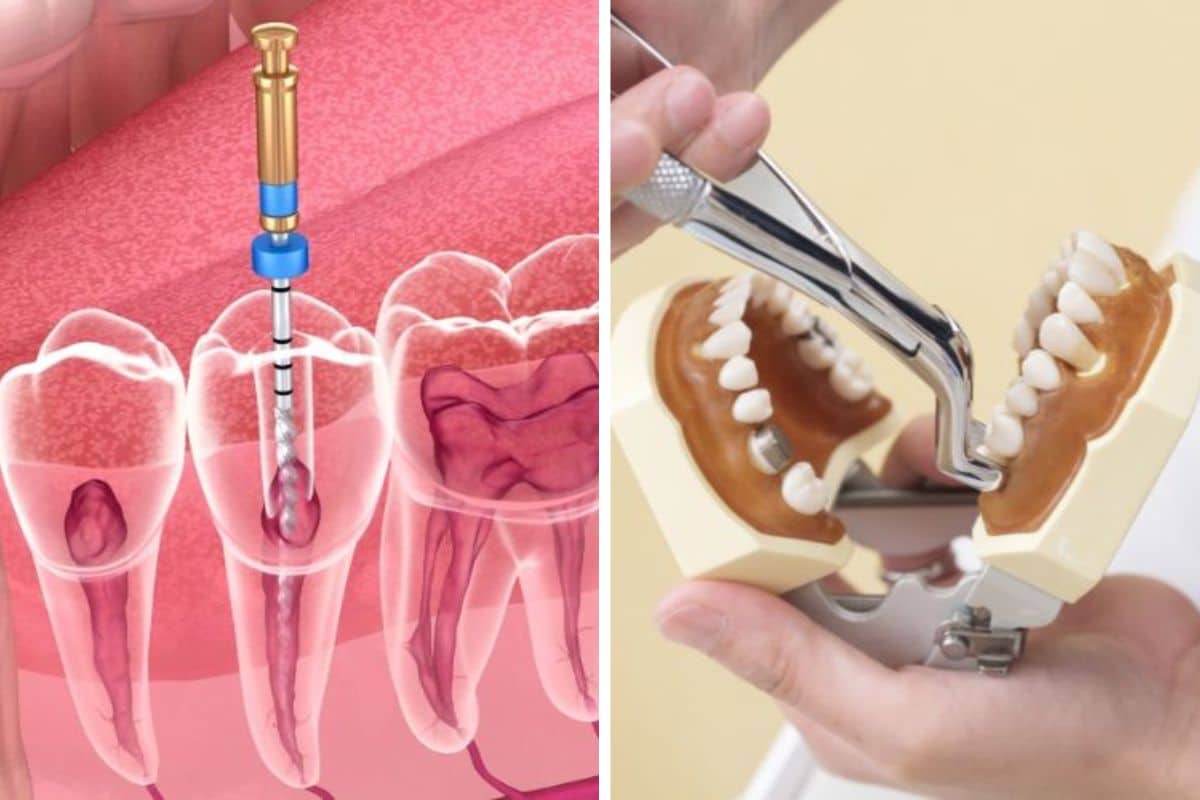
Each tooth contains soft tissue known as the pulp, which includes nerves, blood vessels, and connective tissue that assist in the tooth’s development. Once bacteria reach this area through deep decay, a crack, trauma, or a failing restoration, the infection can spread quickly.
Unlike many other parts of the body, the pulp has a limited ability to recover once bacteria become established. Without treatment, the infection often continues progressing deeper into the root system and surrounding bone.
Common signs that may indicate the need for treatment include:
- Persistent tooth pain
- Lingering sensitivity to hot or cold
- Pain when chewing
- Swollen or tender gums
- Tooth discoloration
- A recurring pimple-like bump on the gums
- Facial swelling
- Unpleasant taste or smell in the mouth
What Happens If You Delay a Root Canal?
Delaying allows bacteria to spread deeper into the tooth and surrounding tissues. This increases the risk of severe pain, abscess formation, bone loss, and eventual tooth loss.
A tooth infection does not remain stagnant. Bacteria continue multiplying, damaging structures that support the tooth.
The Infection Continues to Spread
In the early stages, infection may be limited to the pulp. As time passes, bacteria move through the root canals and exit through the tip of the root.
Once this occurs, the infection can affect:
- Surrounding gum tissue
- Supporting bone
- Adjacent teeth
- Nearby facial structures
The longer treatment is postponed, the more difficult it can become to preserve the tooth and surrounding tissues.
Pain Often Gets Worse Before It Gets Better
Many patients first experience:
- Sharp pain
- Throbbing sensations
- Sensitivity to temperature
- Discomfort while chewing
As inflammation builds pressure inside the tooth, symptoms typically become more intense. This stage is usually when patients start to consider treatment.
Why Does the Pain Sometimes Disappear?
Pain may temporarily disappear because the nerve inside the tooth has died. This does not mean the infection is gone.
This is one of the most dangerous misconceptions surrounding dental infections.
When the nerve loses vitality, the source of pain may diminish. However, bacteria remain active and often continue spreading beyond the tooth root.
Many patients delay treatment after experiencing temporary relief, only to develop swelling, severe infection, or an abscess weeks or months later.
If a painful tooth suddenly stops hurting without treatment, it should still be evaluated promptly by a dentist.
Can Delaying a Root Canal Lead to Bone Loss?
Yes. Untreated tooth infections can destroy the bone that supports the tooth, making future treatment more complicated.
Once bacteria reach the area surrounding the root tip, the body mounts an inflammatory response.
Over time, this process can lead to:
- Bone deterioration around the tooth
- Reduced tooth stability
- Larger areas of infection
- Increased treatment complexity
Bone loss often develops silently. Many patients are unaware it is occurring until it becomes visible on diagnostic imaging.
Preserving healthy bone is one of the key reasons dentists recommend timely treatment.
Understanding Dental Abscesses and Their Risks
A dental abscess is a pocket of infection that forms when bacteria spread beyond the tooth. It can become a serious health concern if left untreated.
An abscess often develops near the root tip of an infected tooth.
Symptoms may include:
- Swelling in the gums
- Facial swelling
- Severe throbbing pain
- Tender lymph nodes
- A bad taste in the mouth
- Drainage from the infected area
While some abscesses drain temporarily and appear to improve, the underlying infection remains present. Professional treatment is necessary to eliminate the source of the infection.
When Does a Tooth Infection Turn into a Dental Emergency?
A tooth infection becomes a dental emergency when swelling, fever, difficulty swallowing, or other signs indicate the infection may be spreading.
Seek immediate dental care if you experience:
- Significant facial swelling
- Fever
- Difficulty swallowing
- Difficulty breathing
- Rapidly increasing pain
- Swelling that extends into the jaw or neck
These symptoms should never be ignored.
Early treatment can prevent severe complications and lead to better treatment results.
Why Do Some People Delay RCT?
Fear, busy schedules, and misunderstanding the condition are the most common reasons patients postpone treatment.
Many patients delay care because they believe:
“The Pain Isn’t That Bad Yet”
Unfortunately, infection often progresses before symptoms become severe.
“The Pain Went Away”
A disappearing toothache may indicate nerve death rather than healing.
“I Can Manage It With Pain Relievers”
Pain medication may reduce symptoms temporarily, but it does not remove the infection.
“I Don’t Have Time Right Now”
Dental infections continue progressing regardless of schedules or commitments.
Prompt Treatment vs. Delayed Treatment
| Prompt Treatment | Delayed Treatment |
|---|---|
| Infection remains localized | Infection may spread |
| Better chance of saving the tooth | Increased risk of extraction |
| Less damage to surrounding bone | Bone loss may occur |
| More predictable outcomes | Greater treatment complexity |
| Faster return to comfort | Higher risk of complications |
Why Timely Treatment Matters
Early treatment helps protect your health, preserve your natural tooth, and prevent unnecessary complications.
Many local residents enjoy active retirement lifestyles, community gatherings, golf outings, and dining with family and friends. Persistent tooth pain can quickly interfere with eating comfortably, socializing confidently, and enjoying daily activities.
Patients seeking root canal therapy in Sun City West often tell us they wish they had addressed their symptoms sooner. Early treatment typically allows us to manage infection before significant damage occurs.
The goal is simple: eliminate infection, relieve discomfort, and preserve your natural tooth whenever possible.
Frequently Asked Questions
1. Can I wait a few months before getting a root canal?
Waiting several months allows the infection additional time to spread. What begins as a localized problem can become a larger infection that threatens the tooth and surrounding bone.
2. Will an infected tooth eventually heal itself?
No. Once bacteria reach the pulp, the infection cannot resolve naturally. Professional treatment is necessary to remove the infected tissue and prevent further damage.
3. Is a root canal better than extracting the tooth?
In most cases, preserving a natural tooth is the preferred option. Saving the tooth helps maintain normal chewing function and protects surrounding teeth from shifting.
4. What happens if a tooth abscess bursts?
A burst abscess may temporarily relieve pressure and discomfort. However, the infection remains present and still requires professional treatment to eliminate its source.
5. How do I know if my tooth infection is spreading?
Increasing swelling, worsening pain, facial tenderness, fever, or difficulty swallowing may indicate the infection is progressing and should be evaluated immediately.
6. Can antibiotics cure an infected tooth?
Antibiotics may help control the spread of infection in certain situations, but they cannot remove infected pulp tissue from inside the tooth.
7. Is root canal treatment painful?
Modern root canal treatment is designed to relieve pain, not create it. Most patients report that the procedure feels similar to receiving a routine dental filling.
Schedule a Personalized Evaluation Before the Problem Gets Worse
A dental infection rarely becomes easier to treat with time. The sooner the source of the problem is identified, the better the opportunity to preserve your natural tooth and prevent complications.
If you are experiencing persistent tooth pain, sensitivity, swelling, or other symptoms of an infected tooth, visit our dental office to book your appointment for a personalized diagnostic evaluation. Our team will assess your specific condition, explain your treatment options, and help you make the most informed decision for your long-term oral health.