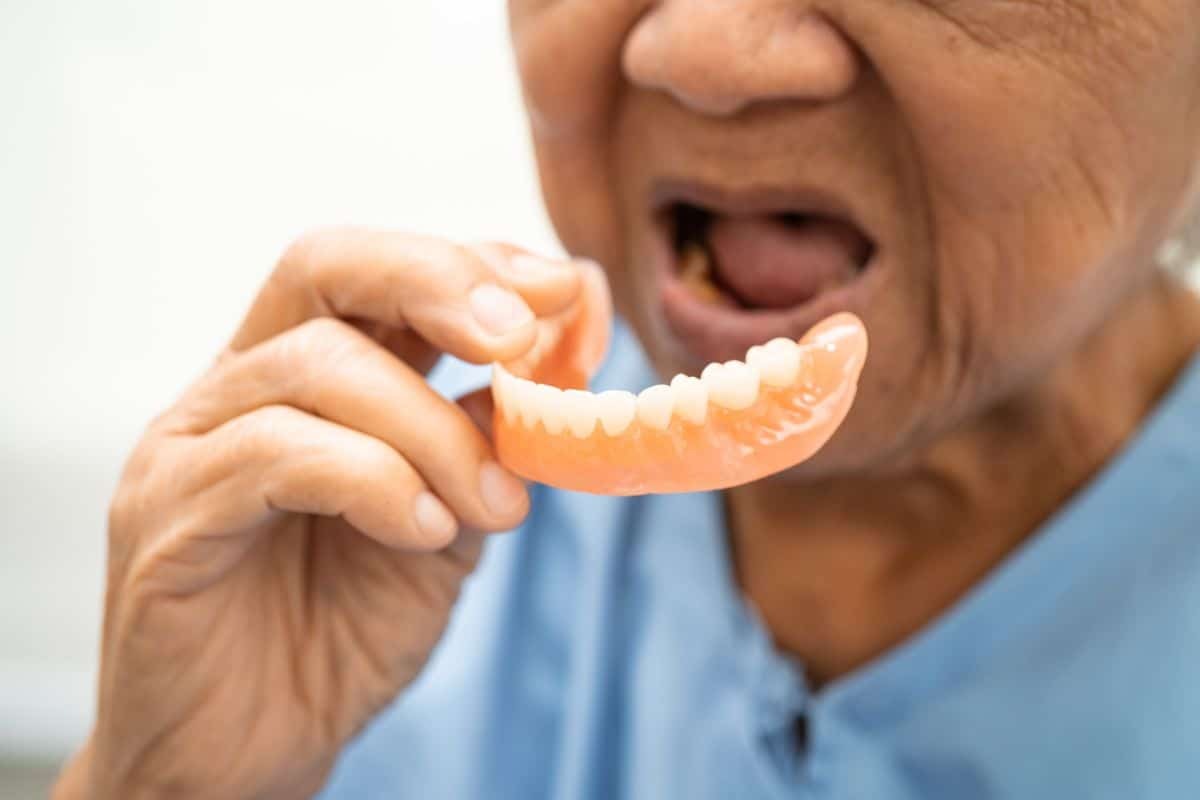
Dentures are designed to restore your ability to eat, speak, and smile after tooth loss. But even a well-fitting set of dentures may become loose after years of use. This does not necessarily mean the dentures were poorly made or that you have done something wrong.
The main reason dentures become loose over time is that the shape of the gums and underlying jawbone can change after tooth loss. As the jawbone gradually resorbs, the foundation that once supported the denture changes. The denture itself may remain the same shape while the mouth beneath it becomes different.
Other factors can also affect denture fit, including changes in gum tissue, wear of the denture base or artificial teeth, changes in your bite, and the natural aging of the oral tissues.
If your dentures slip when you talk, move while eating, cause sore spots, or require increasing amounts of adhesive, it may be time to have the fit evaluated.
Why Do Dentures Become Loose Over Time?
The most common reason is residual ridge resorption, which refers to the gradual loss and remodeling of the jawbone that remains after natural teeth are lost.
Natural tooth roots stimulate the surrounding jawbone. After teeth are removed, that stimulation is no longer present in the same way. The residual ridge can gradually decrease in height and volume, changing the surface that supports a removable denture.
Research has found that residual ridge resorption can affect denture retention and stability, particularly with complete lower dentures. The rate and extent of bone changes vary from person to person.
This creates an important distinction:
Your dentures may not have changed much, but the foundation underneath them may have.
As that foundation changes, a denture that once fit securely may begin to move more easily.
How Bone Loss Changes Denture Fit
Think of a denture as sitting on a changing foundation.
When your dentures were originally made, impressions were taken of your oral tissues so the denture base could be shaped to fit your mouth. Over time, however, the underlying jawbone and soft tissues can change.
The process may look like this:
- Tooth loss removes the natural tooth roots that stimulate the surrounding bone.
- Jawbone remodeling gradually changes the size and shape of the residual ridge.
- Gum and soft-tissue changes can alter the surface supporting the denture.
- The denture base no longer matches the oral anatomy as closely.
- Retention and stability decrease, causing the denture to move more easily.
- Chewing and speaking may become less comfortable.
Residual ridge resorption is a progressive process, although its rate varies between individuals. Some patients experience more significant changes than others.
This is why a denture can become loose even when it has been properly cleaned and maintained.
What Does a Loose Denture Feel Like?
A change in fit does not always happen suddenly. You may notice small changes that become more noticeable over time.
Common symptoms include:
- The denture moves when you chew.
- The denture slips when you speak.
- Food gets underneath the denture more frequently.
- You need more denture adhesive than you previously did.
- The denture causes recurring sore spots.
- Your gums feel irritated after wearing the denture.
- Chewing certain foods becomes more difficult.
- Your bite feels different.
- The denture clicks or moves while talking.
- You feel that the denture no longer sits securely in the same position.
A loose denture should not simply be accepted as a normal part of aging. An evaluation can determine whether the problem is related to the denture itself, changes in the supporting tissues, or another oral health concern.
Does Wearing Dentures Cause Bone Loss?
Tooth loss itself is a major reason the jawbone changes after extraction. Conventional removable dentures do not replace the stimulation provided by natural tooth roots.
The remaining jawbone can therefore continue to remodel over time. Research describes residual ridge resorption as a chronic process that can affect the anatomy supporting removable dentures.
This does not mean that wearing dentures automatically causes severe bone loss in every patient. The amount and rate of bone remodeling can differ considerably.
However, progressive changes in the residual ridge can make it increasingly difficult for an older denture to maintain the same level of retention and stability.
That is one reason periodic dental evaluations remain important even when you have no natural teeth in the denture-bearing area.
Can a Loose Denture Be Fixed Without Replacing It?
Sometimes.
A dentist will first determine whether the existing denture is still structurally and functionally suitable.
Depending on its condition and the amount of change in your mouth, possible solutions may include:
Denture Adjustment
Minor adjustments can sometimes improve comfort or reduce areas that are putting excessive pressure on the oral tissues.
An adjustment may be appropriate when the denture is generally sound but has a localized fit or pressure issue.
Denture Relining
A denture reline changes the surface of the denture that rests against the gums.
As the underlying tissues change, a reline can help the denture base adapt more closely to the current shape of the mouth.
Research on denture treatment describes relining as one approach for improving the stability and retention of dentures affected by changes in the residual ridge.
However, relining is not appropriate for every denture. The dentist must first evaluate the age, condition, design, bite, and overall function of the appliance.
Denture Replacement
A new denture may be necessary when the existing appliance is significantly worn, damaged, poorly fitting, or no longer provides adequate function.
The American Dental Association notes that a denture that does not fit well may need to be relined or replaced, particularly when it causes discomfort or requires increasing reliance on adhesive.
Replacement may also be considered when the artificial teeth or denture base have experienced significant wear or damage.
When Should You Consider New Dentures?
A loose denture does not automatically mean you need a completely new appliance.
Instead, the condition of both your mouth and your existing denture should be evaluated.
Replacement may be discussed when:
- The denture no longer fits properly after adjustment or relining.
- The denture base is significantly worn or damaged.
- The artificial teeth are badly worn.
- The bite has changed substantially.
- The denture causes recurring irritation.
- The appliance is unstable during normal eating and speaking.
- The denture no longer provides adequate chewing function.
- The shape of the jaw has changed significantly since the denture was made.
This distinction is important because simply making a new denture without evaluating the underlying oral changes may not address the reason the old denture became unstable in the first place.
What Are the Replacement Options for Loose Dentures?
The right replacement approach depends on the condition of your oral tissues, the amount of remaining bone, your remaining teeth, and your treatment goals.
New Complete Dentures
If you have lost all teeth in an arch, a new set of complete dentures may be appropriate.
Modern dentures can be customized to your oral anatomy, bite, facial features, and functional needs. Sunridge Dental Care already offers custom denture treatment in Sun City West.
A new denture can provide an updated fit when an older appliance no longer matches the current shape of the mouth.
New Partial Dentures
If you still have some natural teeth, a partial denture may replace missing teeth while using the remaining teeth for support.
Implant-Supported Dentures
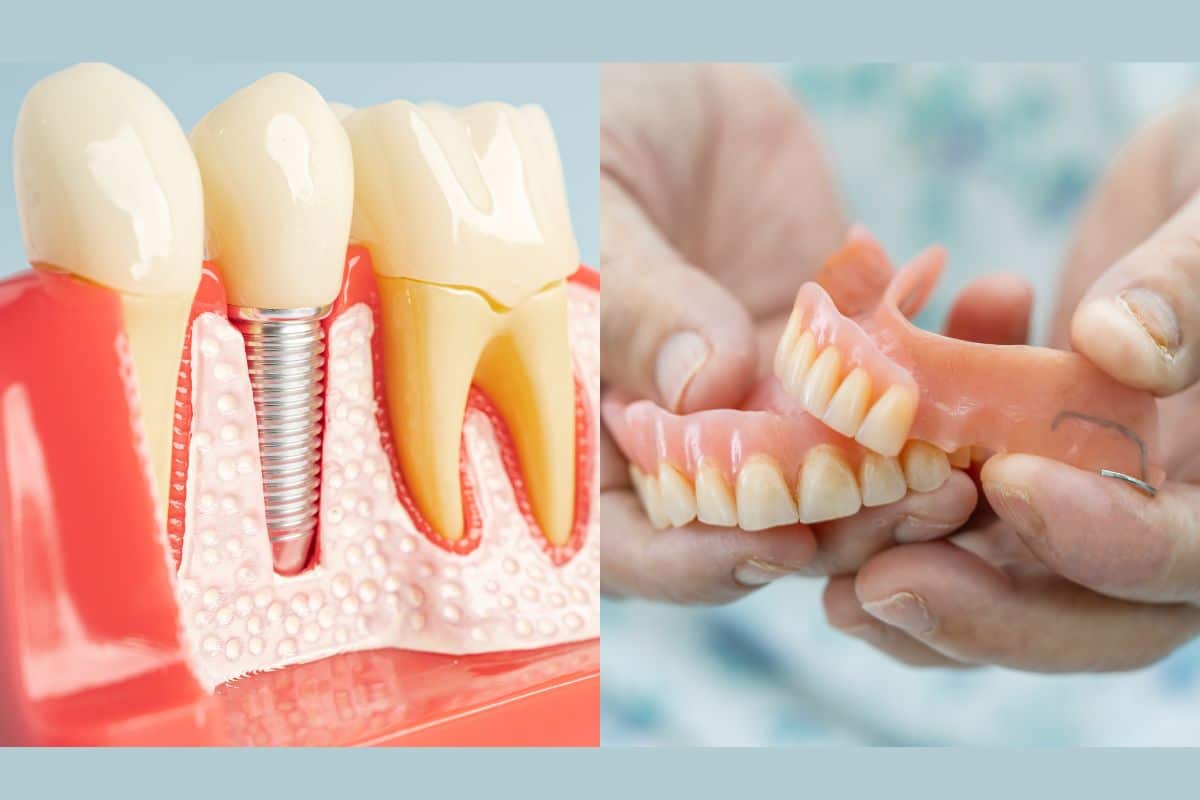
For some patients, implants can provide additional support for a removable denture.
Implant-supported dentures use dental implants placed in the jaw to help retain the prosthesis. This can reduce the movement associated with conventional removable dentures.
Whether this is an option depends on factors such as available bone, gum health, medical history, treatment goals, and the type of restoration being considered.
Patients who have already experienced bone loss may still have implant options in some circumstances, but an examination and appropriate imaging are needed to determine whether additional treatment is necessary.
Can Denture Adhesive Fix Loose Dentures?
Denture adhesive may provide additional retention in some situations, but it should not be used to permanently compensate for a poorly fitting denture.
The ADA specifically notes that adhesives are not a remedy for ill-fitting dentures. A denture that feels loose or causes discomfort may need professional evaluation, adjustment, relining, or replacement.
If you suddenly find yourself applying more adhesive than before just to keep your dentures in place, consider that a reason to have the fit checked.
The goal should be to determine why the denture is loose, rather than simply adding more adhesive.
How a Dentist Evaluates a Loose Denture
When you visit a dental office for a denture fit problem, the evaluation may include several factors. Your dentist may assess:
- The fit and stability of the denture.
- The condition of the denture base.
- The condition of the artificial teeth.
- Your gums and oral tissues.
- The shape of the residual ridge.
- Your bite and jaw relationship.
- Areas of irritation or pressure.
- Your ability to chew and speak comfortably.
- Changes that have occurred since the denture was originally made.
The dentist can then determine whether an adjustment, reline, replacement denture, or another tooth-replacement approach makes sense for your situation.
How Can You Help Maintain Your Denture Fit?
You cannot completely prevent the jawbone changes associated with tooth loss, but proper denture care and regular dental evaluations can help you identify problems before they become more difficult to manage.
Helpful habits include:
- Clean your dentures as recommended.
- Clean your gums, tongue, and remaining natural teeth.
- Handle dentures carefully to avoid damaging them.
- Store dentures properly when they are not being worn.
- Avoid hot water that could distort the denture.
- Do not attempt to permanently modify the denture yourself.
- Have your dentures evaluated when the fit changes.
- Do not ignore recurring sore spots or oral irritation.
The ADA recommends storing dentures in water or an appropriate denture solution when they are not being worn and cautions against hot or boiling water because it can warp the appliance.
Why Regular Denture Evaluations Matter
A denture is not a permanent substitute for a changing oral foundation.
Even when your denture looks intact, changes to the jawbone, gums, bite, and surrounding oral structures can affect how it functions.
Regular dental evaluations allow your dentist to monitor these changes and determine whether your current denture remains appropriate.
This is particularly important if you notice a gradual change rather than an obvious break or damage.
A denture that becomes loose is often a sign that something has changed in the relationship between the appliance and the tissues supporting it.
Frequently Asked Questions
Why do my dentures keep getting looser?
The most common reason is gradual change in the jawbone and soft tissues after tooth loss. As the residual ridge changes shape and volume, an older denture may no longer fit as closely as it once did.
Can bone loss make dentures loose?
Yes. Changes in the residual ridge can reduce the amount of tissue and bone available to support and stabilize a removable denture. This can contribute to increased movement and reduced retention.
Can loose dentures be relined?
In some cases, yes. A denture reline can modify the tissue-facing surface so the appliance better adapts to the current shape of the mouth. However, relining is not appropriate for every denture, particularly when the appliance is significantly worn or damaged.
Do loose dentures always need to be replaced?
No. Depending on the condition of the denture and the changes in your mouth, an adjustment or reline may be enough. A dental evaluation is necessary to determine which option is appropriate.
Can dental implants help with loose dentures?
Implant-supported dentures may provide additional retention and stability for eligible patients. Bone availability, gum health, overall health, and treatment goals all need to be considered before treatment.
How often should dentures be checked?
There is no single replacement or evaluation schedule that applies to everyone. Your dentist can recommend an appropriate schedule based on your denture, oral health, age of the appliance, and changes in your mouth.
Get Your Denture Fit Evaluated in Sun City West
Dentures can become loose over time because the mouth does not remain exactly the same after tooth loss. Progressive changes in the residual jawbone and soft tissues can alter the foundation that supports a removable denture, while normal wear can also affect its function.
The good news is that a loose denture does not automatically mean you need an entirely new treatment. Depending on your situation, an adjustment, reline, new denture, or implant-supported option may be considered.
If your dentures are slipping, causing sore spots, affecting your ability to chew, or requiring more adhesive than they used to, visit our dental practice in Sun City West for an evaluation. Our team can assess your current denture and oral health and discuss the options that may be appropriate for your needs.
Contact us today to discuss your denture fit and replacement options.