Tooth pain can be confusing because different dental problems can create similar symptoms. A tooth that hurts when you chew, reacts to hot or cold, or feels sensitive may require different treatments depending on the cause. Some teeth need a dental crown to restore strength, while others may need treatment to remove infection from inside the tooth.
At Sunridge Dental Care, Dr. H. Parker helps patients understand their dental concerns and determine the right approach for restoring damaged teeth. Knowing the difference between a crown and a root canal can help you seek timely care and avoid more serious complications.
If you are searching for root canal therapy in Sun City West, learning how to recognize warning signs can help you make an informed decision about your dental health.
What Is the Difference Between a Crown and Root Canal?
A dental crown and a root canal serve different purposes, but both are used to protect and restore a damaged tooth.
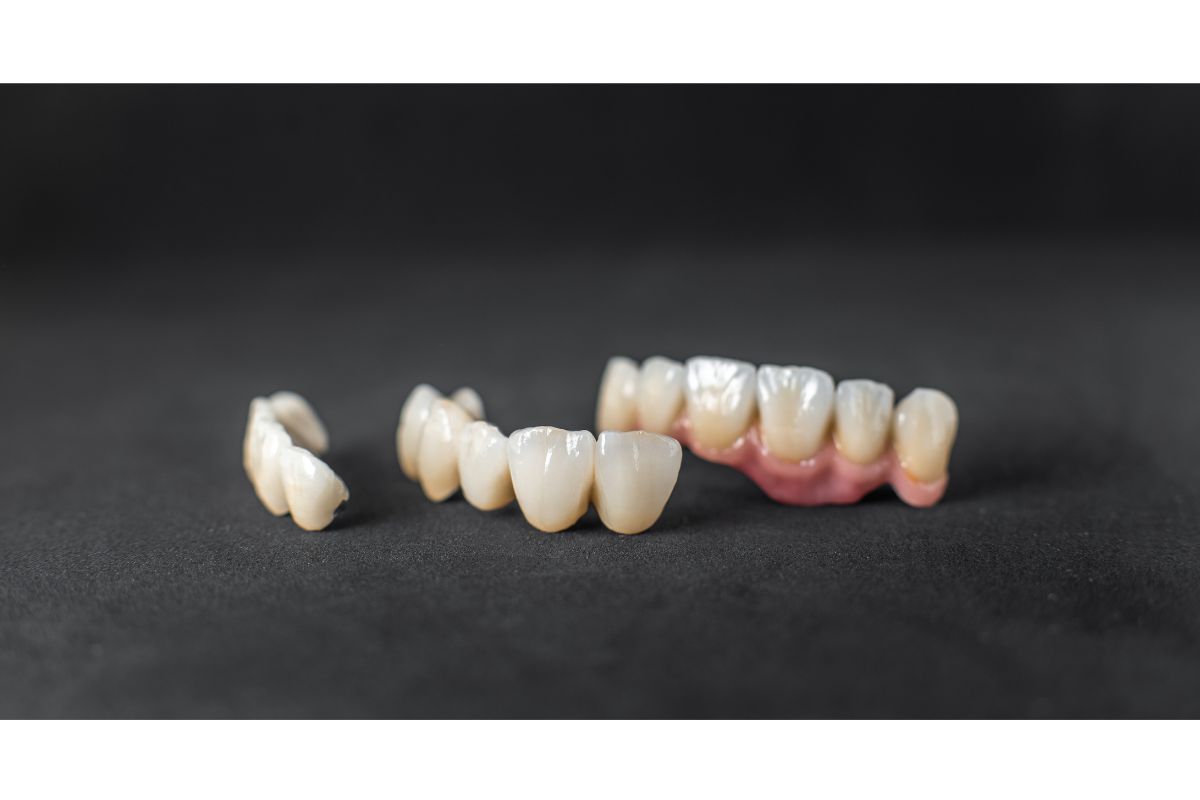
A dental crown is a tooth-shaped restoration placed over a weakened or damaged tooth. It covers the visible part of the tooth and helps restore its strength, appearance, and function. Crowns are often recommended for teeth that have large fillings, cracks, severe wear, or significant structural damage.
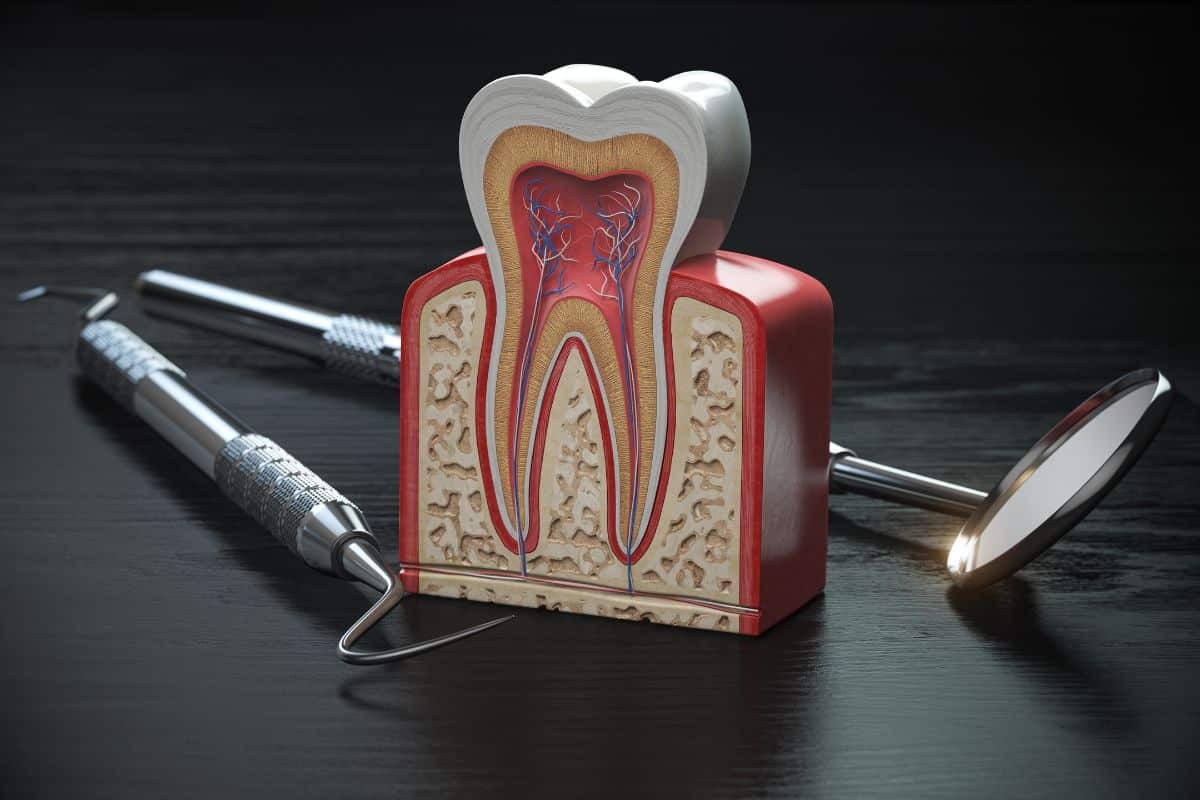
A root canal focuses on the inside of the tooth. When bacteria reach the pulp, the soft inner area containing nerves and blood vessels, it can lead to infection and inflammation. This treatment removes the damaged tissue, cleans the inside of the tooth, and seals it to prevent further problems.
In some cases, a tooth may require both treatments. A root canal can address infection, while a crown can provide additional protection after the tooth has been restored.
Signs You May Need a Dental Crown
A tooth may need a crown when the outer structure has become weakened, but the inside remains healthy.
Common signs that a crown may be needed include:
- A tooth has a large filling that weakens its structure
- A tooth is cracked, chipped, or broken
- A tooth has noticeable wear from grinding
- A previous restoration has failed
- The tooth needs extra protection after significant damage
Unlike an infected tooth, a weakened tooth does not always cause intense pain. Some patients only discover they need a crown during a dental examination or after dental imaging reveals structural concerns.
A crown helps hold the tooth together and reduces the risk of further damage.
Signs Your Tooth May Need Root Canal Treatment
When damage reaches the inner portion of the tooth, treatment may be needed to remove infection and protect the surrounding tissues.
You may need this type of treatment if you experience:
- Severe or ongoing tooth pain
- Sensitivity to hot or cold that lasts after the source is removed
- Pain while biting or chewing
- Swelling around the gums
- Tenderness near a specific tooth
- Tooth discoloration
- A small bump on the gums near the affected tooth
These symptoms may indicate that bacteria have reached deeper areas of the tooth. Seeking care early can help prevent the infection from spreading and causing additional dental problems.
How Can You Tell If You Need a Crown or Root Canal?
Many patients wonder whether their tooth pain means they need a crown or a root canal. Since symptoms can overlap, a dental evaluation is the most reliable way to determine the correct treatment.
Your dentist will consider several factors, including:
The Amount of Tooth Damage
If the tooth is cracked, weakened, or missing a large amount of structure, a crown may be recommended to restore stability.
The Condition of the Tooth Nerve
If decay or injury has affected the pulp inside the tooth, root canal treatment may be needed before placing a restoration.
The Type and Duration of Pain
Temporary sensitivity may occur for different reasons. However, persistent pain, swelling, or discomfort when chewing can indicate a more serious issue.
Dental Examination Results
A dental examination and X-rays help identify problems below the surface, including infection, decay depth, and changes around the tooth roots.
What Causes a Tooth to Need a Crown or Root Canal?
Several dental issues can weaken teeth or affect the inner tissues.
Deep Tooth Decay
An untreated cavity can continue to spread through the tooth’s layers. When decay reaches the pulp, it may cause infection and require additional treatment.
Cracked Teeth
Small cracks can grow over time and allow bacteria to enter deeper parts of the tooth. Depending on the severity, treatment may involve restoring the tooth with a crown or addressing internal damage.
Large Dental Fillings
Although fillings repair cavities, very large fillings can leave the remaining tooth structure more vulnerable to fractures.
Dental Injuries
Accidents, sports injuries, or biting hard foods can damage teeth and affect their strength or internal health.
Why Early Dental Care Can Help Protect Your Smile
Ignoring tooth discomfort can allow a minor issue to become more complex. A small cavity, crack, or sensitivity may develop into a more serious problem if left untreated.
Early evaluation can help:
- Protect your natural tooth
- Reduce the risk of further damage
- Identify the right treatment option
- Prevent unexpected dental emergencies
If you notice changes in your tooth, visit our dental office for a complete evaluation. Finding the cause of the problem early can help you understand whether you need restorative care or another solution.
What Should You Expect During Root Canal Treatment?
Many patients feel concerned when they hear about a root canal, but modern dental care focuses on keeping patients comfortable throughout the process.
During the procedure, the dentist will:
- Numb the treatment area
- Remove infected or damaged tissue from inside the tooth
- Clean and disinfect the inner chamber
- Seal the tooth to prevent bacteria from returning
- Restore the tooth to improve strength and function
After treatment, some teeth may need a crown because removing damaged tissue can leave the tooth more fragile. A crown provides protection and helps the tooth handle normal biting pressure.
Patients in Sun City West seeking root canal therapy can benefit from an evaluation before symptoms become more severe.
How to Prevent Tooth Damage in the Future
Preventive care can reduce the chances of needing major dental treatment. Simple daily habits can help maintain strong and healthy teeth.
Consider these steps:
- Brush twice a day with fluoride toothpaste
- Clean between teeth with floss or interdental cleaners
- Maintain regular dental checkups
- Treat cavities early
- Avoid chewing hard objects
- Wear a protective mouthguard during sports
Routine dental visits allow problems to be detected before they become more advanced.
Get the Right Treatment for Your Damaged Tooth
A tooth that hurts does not always require the same solution. The right treatment depends on whether the problem affects the tooth structure, the inner pulp, or both.
If you are experiencing tooth pain, sensitivity, or signs of infection, Sunridge Dental Care can help determine the cause and guide you toward the right care. For reliable root canal therapy in Sun City West, contact us today and take the next step toward protecting your natural smile.
Frequently Asked Questions
How do I know if my tooth needs a crown?
A tooth may need a crown if it is weakened, cracked, heavily filled, or damaged. A dental examination can determine whether a crown is the right option for restoring strength and protecting the tooth.
Can a tooth need both a root canal and a crown?
Yes. Some teeth require treatment inside the tooth first to remove infection, followed by a crown to restore protection and stability.
Does tooth sensitivity always mean I need a root canal?
Not always. Sensitivity can happen for several reasons. However, sensitivity that persists after eating or drinking hot or cold foods and drinks should be evaluated by a dentist.
What happens if I delay treatment for a damaged tooth?
Delaying care may allow decay, cracks, or infection to progress. Early treatment can help protect the tooth and prevent more complex dental concerns.
Can a root canal save my natural tooth?
In many cases, root canal treatment helps preserve the natural tooth by removing the infection and allowing it to remain functional.
When should I see a dentist for tooth pain?
You should schedule a dental visit if you have ongoing pain, swelling, sensitivity, or changes in your tooth. A timely evaluation can help identify the cause and appropriate treatment.