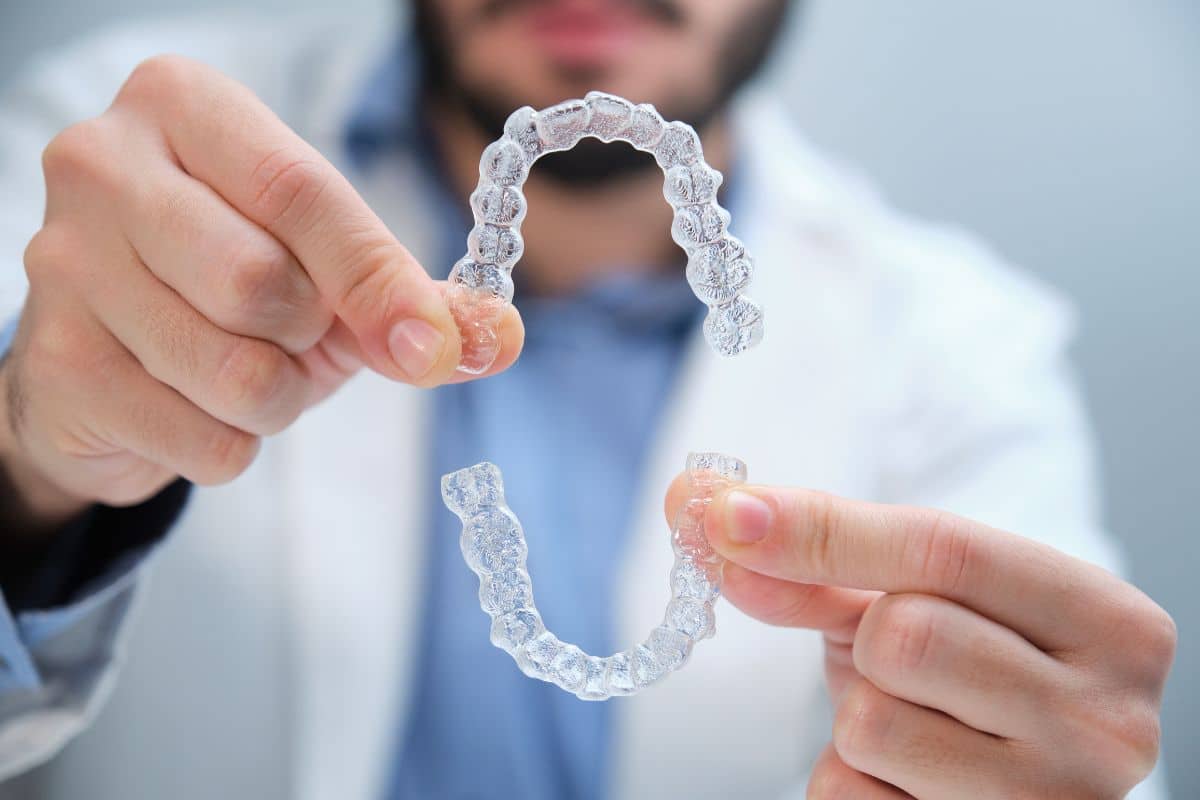
Invisalign treatment offers an aesthetic, removable alternative to traditional wire braces, making it a preferred choice for adults seeking orthodontic correction. While clear aligners are engineered from smooth, medical-grade SmartTrack plastic, moving teeth within the jawbone naturally creates mild side effects like tooth tenderness, temporary speech changes, and minor soft tissue irritation. Understanding these temporary reactions helps patients navigate their smile transformation with confidence, comfort, and peace of mind.
According to data published by the National Institute of Dental and Craniofacial Research (NIDCR), over 50% of American adults experience alignment or bite irregularities that benefit from corrective orthodontic care. When choosing Invisalign in Sun City West, patients receive advanced digital planning designed to move teeth efficiently while keeping discomfort to a minimum.
At Sunridge Dental Care, Dr. Amy Okun, Dr. Cynthia Colson, and Dr. William F. Gioia combine decades of clinical expertise to guide patients through every phase of treatment. To evaluate your alignment goals with experienced professionals, schedule a personalized evaluation with our clinical team today.
What Are the Most Common Invisalign Side Effects?
The most common side effects include transient tooth soreness, mild lip or cheek friction, temporary speech lisping, and heightened salivary production or dry mouth. These reactions occur as periodontal ligaments adjust to continuous mechanical pressure and the oral cavity adapts to the physical presence of custom plastic trays. Most patients notice these symptoms tapering off within three to seven days after placing a new tray set.
Initial Tooth Tenderness and Pressure
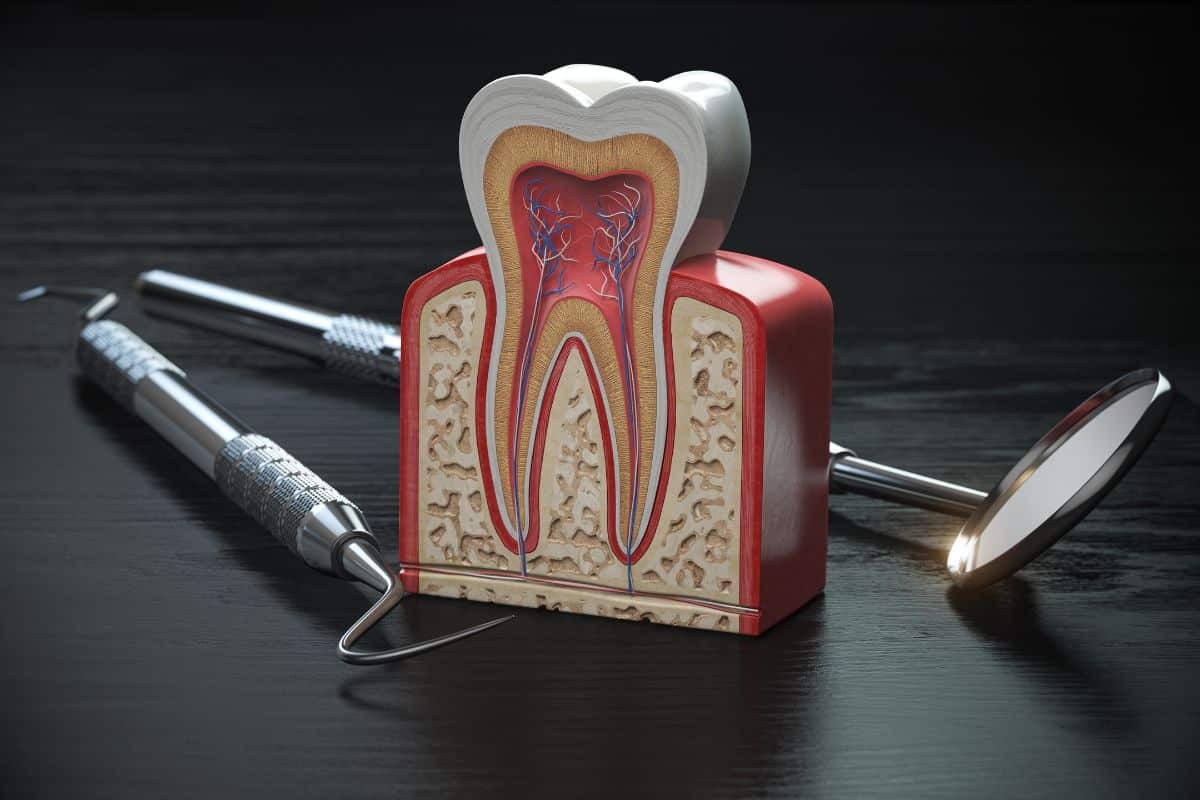
Orthodontic movement relies on continuous force applied to tooth crowns, triggering cellular activity within the surrounding alveolar bone. Osteoclasts break down bone tissue in the path of movement, while osteoblasts rebuild it behind the tooth. This cellular remodeling process creates temporary inflammation in the periodontal ligament, causing soreness when biting or pressing teeth together. This pressure confirms that your clear aligners are exerting the precise forces necessary to realign your arch.
Soft Tissue Friction and Attachments
To execute complex tooth rotations or extrusions, tiny tooth-colored composite shapes known as attachments are bonded directly onto specific teeth. Before your mucosal lining adapts, these small attachments and the trimmed borders of the aligner trays can rub against the inner cheeks, lips, or tongue. This mechanical friction occasionally causes minor raw spots, similar to the initial adjustment period experienced with new dental appliances.
Speech Fluency and Salivary Flow Shifts
Placing aligner trays over the upper and lower teeth alters the volume of your oral cavity slightly. Because the tongue rests against the back of the upper central incisors to pronounce “S,” “Z,” and “TH” sounds, patients may notice a slight lisp during the first few days of wear. Simultaneously, the brain may perceive the new aligners as food or a foreign object, triggering temporary excess salivation or, conversely, a sensation of oral dryness.
How Does the Local Desert Climate Impact Invisalign Alignment?
Living in a dry Sonoran Desert environment significantly exacerbates side effects like xerostomia (dry mouth) and localized tissue irritation. Low ambient humidity combined with outdoor activities accelerates oral fluid evaporation, making hydration management essential for clear aligner wearers. Maintaining consistent saliva production protects tooth enamel, lubricates soft tissues, and keeps aligner trays comfortable throughout the day.
When wearing aligners during a morning round at local golf courses or while walking around the R.H. Johnson Recreation Center, air exposure rapidly dries out oral tissues. Reduced saliva limits the mouth’s natural ability to neutralize acids and wash away bacteria, increasing the risk of tray suction, sore spots, and plaque accumulation.
Patients choosing Invisalign in Sun City West must adapt their daily routines to counter these environmental factors. Carrying a reusable water bottle during outdoor visits to Beardsley Park or while enjoying patio dining at Lizard Acres Pub ensures continuous tissue hydration. Sipping plain water frequently prevents aligners from sticking to dry oral mucosa, keeping your gums comfortable and healthy.
Clinical Strategies to Manage Side Effects and Maintain Comfort
Effective management involves proactive pain relief strategies, meticulous tray maintenance, and strategic dietary modifications. Implementing targeted remedies during the initial 48 hours of each tray change minimizes discomfort and prevents tissue abrasion. Patient compliance combined with sound home care ensures treatment progresses smoothly without unnecessary interruptions.
- Strategic Tray Swaps: Insert new aligner sets right before going to bed. This allows the most intense initial pressure phase to occur while you sleep, reducing daytime awareness of tooth soreness.
- Cold Therapy and Hydration: Drink cool water or apply a cold compress to the external jawline to soothe inflamed periodontal tissues and relieve localized discomfort.
- Orthodontic Wax Application: Place a small pinch of clean orthodontic relief wax over rough tray edges or sharp attachments to prevent lip and cheek irritation.
- Gentle OTC Pain Relief: Over-the-counter analgesics used according to package directions can ease initial jaw muscle strain during the first two days of a new aligner set.
- Saltwater Oral Rinses: Dissolve half a teaspoon of salt in warm water and swish for 30 seconds to calm raw mucosal tissues and encourage rapid healing.
Maintaining strict hygiene prevents plaque buildup that could otherwise trap food particles against tender gums. After enjoying local delicacies at Memo’s Bistro, brush and floss thoroughly before reinserting your clear trays. If a rough tray edge continues to irritate your cheek, you can visit our dental office so our clinical team can smooth the boundary with specialized polishing tools.
Comparing Aligners to Traditional Braces: Comfort & Side Effect Profile
Clear aligner therapy offers distinct clinical advantages regarding tissue comfort, oral hygiene accessibility, and emergency visit frequency compared to fixed metal appliances. While both systems apply continuous force to reposition teeth, clear aligners eliminate sharp metal brackets and protruding archwires, significantly reducing severe soft tissue lacerations.
| Evaluation Parameter | Invisalign Clear Aligners | Traditional Metal Braces |
|---|---|---|
| Mucosal Abrasion Risk | Low; smooth plastic borders with polished attachments | High; rigid metal brackets and wire ends |
| Oral Hygiene Access | Superior; trays remove completely for brushing and flossing | Complex; requires threaders and interdental brushes |
| Dietary Restrictions | None; remove trays before eating all meal types | Extensive; avoid hard, sticky, or chewy foods |
| Emergency Visits | Rare; no broken brackets or sharp poke wires | Frequent; wire shifts and loose bracket repairs |
| Speech Adaptation | Fast; minor lisp resolving within 3 to 7 days | Moderate; speech changes lasting 1 to 2 weeks |
When Should You Contact Your Dentist Regarding Aligner Concerns?
Patients should contact their dentist if they experience severe, unmanageable pain, persistent gum bleeding, visible soft tissue sores that do not heal after a week, or aligners that fit improperly. While mild pressure and temporary tightness are expected symptoms of tooth movement, sharp pain or trays that refuse to seat completely require professional clinical evaluation.
Careful monitoring ensures that tooth movement aligns precisely with your digital treatment plan. Experiencing exceptional quality care for Invisalign in Sun City West means having access to experienced practitioners who can modify attachment shapes, adjust tray margins, or refine tracking whenever necessary. Early intervention prevents minor discomforts from developing into lingering treatment delays.
Transform Your Smile with Expert Orthodontic Care
Understanding potential side effects empowers you to navigate clear aligner treatment with complete confidence. Smooth plastic aligners deliver remarkable orthodontic transformations while preserving your active daily lifestyle, dietary freedom, and personal comfort.
If you are ready to achieve a straight, healthy smile with personalized support, our experienced team is here to guide you through every step. Contact Sunridge Dental Care today to book an appointment and take the first step toward your ideal smile.
Frequently Asked Questions About Invisalign Side Effects
How long does tooth soreness last after switching to a new Invisalign tray?
Tooth soreness typically lasts between two and four days after inserting a new tray. This temporary pressure indicates that your aligners are successfully initiating mechanical tooth movement within the jawbone.
Can Invisalign cause permanent damage to teeth or gums?
When managed by experienced dental professionals, Invisalign does not cause permanent tooth or gum damage. Maintaining thorough daily oral hygiene prevents bacterial accumulation, plaque buildup, and gum inflammation under trays.
Why do my teeth feel loose during clear aligner treatment?
Teeth feel slightly loose because periodontal ligaments widen to allow osteoclasts to break down bone tissue. Once teeth reach target positions, surrounding alveolar bone remineralizes, firmly stabilizing your renewed alignment.
How do I prevent dry mouth while wearing clear aligners?
Prevent dry mouth by sipping plain water frequently throughout the day, especially in dry climate conditions. Avoid sugary beverages, chew xylitol mints, and maintain consistent hydration during outdoor recreation activities.
Is it normal to develop a lisp when starting Invisalign?
Developing a temporary lisp is completely normal as your tongue adapts to the aligner’s palatal surface. Speech fluency typically returns to normal within three to seven days of consistent tray wear.
What should I do if an aligner tray scratches my tongue or cheek?
Apply a small piece of clean orthodontic wax over the rough border for immediate comfort relief. If irritation continues, your dentist can smooth the edge using specialized clinical dental polishing instruments.
Can I eat or drink warm beverages while wearing my aligner trays?
Always remove aligner trays before eating food or drinking hot liquids to prevent warping the plastic. Drinking plain cool water is the only beverage permitted while wearing your clear aligner trays.