Living with prediabetes often brings up concerns about overall health, medical procedures, and surgical recovery. If you are missing teeth and considering permanent restoration, it is completely natural to wonder how elevated blood sugar levels might affect your body’s ability to heal. Missing teeth can impact everything from your confidence on the golf course to enjoying your favorite meals at local spots around the Beardsley Recreation Center or RH Johnson Recreation Center. Fortunately, having prediabetes does not automatically eliminate you as a candidate for permanent tooth replacement.
At Sunridge Dental Care, Dr. Amy Okun and Dr. Cynthia Colson specialize in helping patients navigate complex medical histories while achieving optimal oral health. Our team works closely with individuals to evaluate blood sugar stability and design tailored restorative treatment plans.
What Is Prediabetes and How Does It Relate to Dental Health?
Prediabetes is a condition where blood sugar levels are elevated above normal limits but remain below the diagnostic threshold for type 2 diabetes. While it signals metabolic imbalance, it rarely impairs oral healing to a degree that prevents successful dental procedures. Under proper monitoring, individuals with prediabetes can undergo tooth restoration safely and predictably.
According to data from the Centers for Disease Control and Prevention (CDC), over 97 million American adults more than 1 in 3 have prediabetes. Furthermore, over 27 million of those individuals are adults aged 65 and older. In an active lifestyle community like Sun City West, where vibrant health and outdoor physical activity are daily priorities, prediabetes is extremely common.
Prediabetes is primarily identified through a Hemoglobin A1c (A1c) test, which measures average blood glucose levels over the preceding three months:
- Normal: A1c below 5.7%
- Prediabetes: A1c between 5.7% and 6.4%
- Diabetes: A1c of 6.5% or higher
Because prediabetes sits just below the diabetic threshold, the vascular and cellular disruptions associated with full-blown diabetes are significantly less pronounced. However, elevated glucose can still subtly influence systemic inflammation, salivary flow, and soft tissue healing. Understanding this link allows dental practitioners to implement preventive measures prior to surgical procedures.
Can You Successfully Receive Dental Implants with Prediabetes?
Yes, individuals with prediabetes can successfully receive implants with success rates virtually identical to patients without prediabetes. Because glycemic levels in prediabetes are only moderately elevated, the body retains its fundamental capacity to integrate titanium posts into surrounding jawbone tissue. With attentive oral hygiene and routine dental evaluations, prediabetic patients experience long-term treatment success.
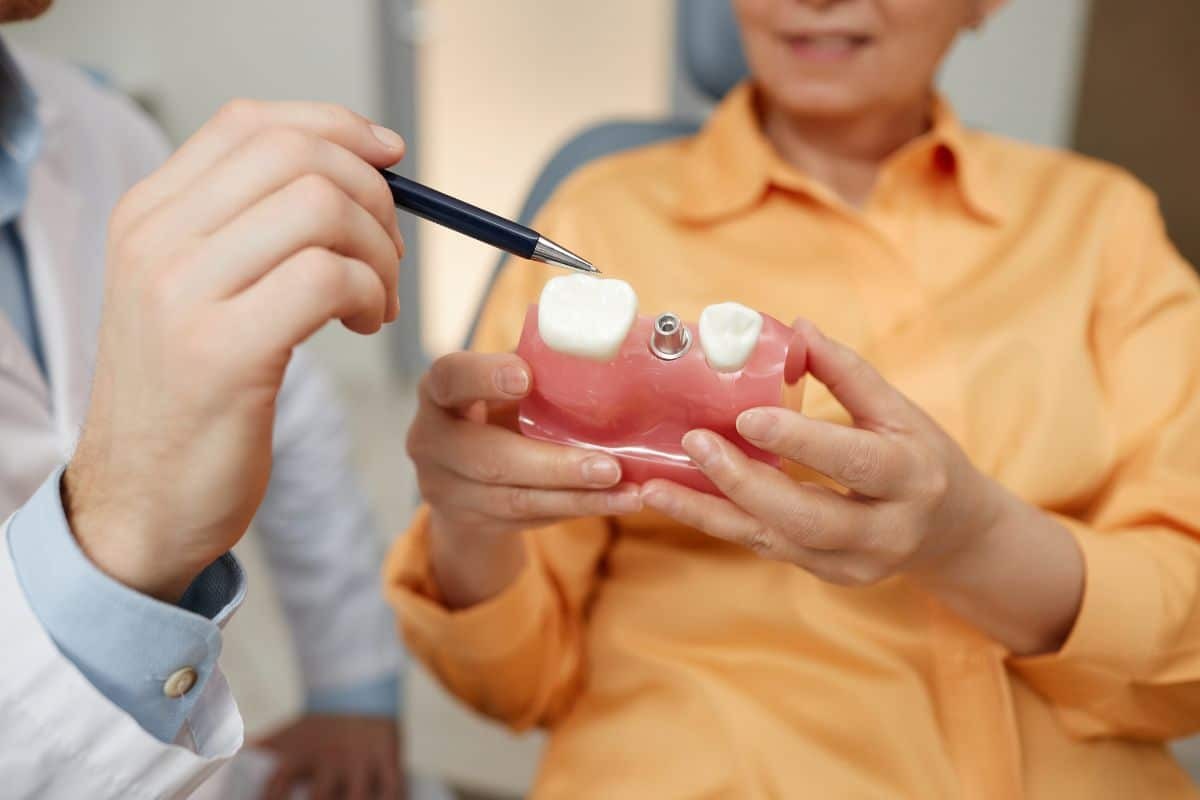
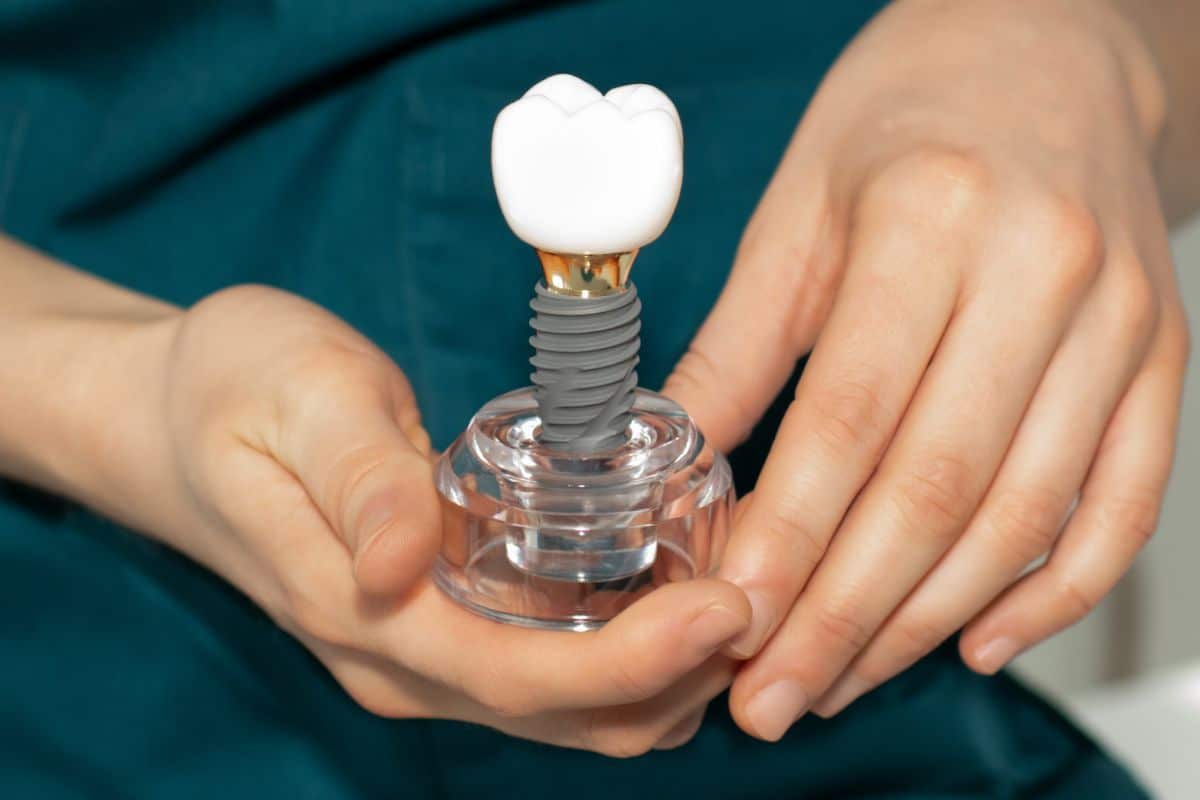
When considering dental implants in Sun City West, local residents often ask whether metabolic conditions will interfere with osseointegration, the biological process where the jawbone fuses directly with the biocompatible titanium post. Clinical studies confirm that well-controlled blood sugar levels allow osseointegration to proceed smoothly.
When evaluating candidates for implant treatment, practitioners focus on systemic stability rather than diagnostic labels alone. Because prediabetes does not cause severe microvascular damage, the bone remodeling cells (osteoblasts) function effectively.
Key Benefits of Implants over Alternatives for Prediabetic Patients
- Preservation of Bone Density: Prevents the gradual bone loss that accelerates after tooth loss.
- Stable Masticatory Function: Enables comfortable chewing of nutrient-dense whole foods necessary for blood sugar management.
- Longevity: Offers a permanent solution compared to traditional removable bridges or dentures.
- Gingival Health Support: Eliminates friction and pressure spots associated with ill-fitting removable prosthetics.
How Does Blood Sugar Control Affect the Healing Process?
Blood sugar levels directly influence early wound healing, immune response, and tissue regeneration surrounding dental restorations. Moderately elevated glucose can slightly delay initial capillary formation, but prediabetes rarely halts normal biological recovery. Maintaining steady glucose levels throughout the surgical timeline ensures optimal soft tissue closure and bone integration.
To understand how prediabetes impacts surgical recovery, it helps to examine the stages of oral healing:
| Healing Phase | Biological Function | Impact of Normal Glucose | Impact of Prediabetes |
| Initial Clotting (Days 1–3) | Forms fibrin mesh to protect surgical site | Immediate vascular sealing | Mild inflammation, generally prompt clotting |
| Soft Tissue Regeneration (Weeks 1–3) | Epithelial cells close the surgical incision | Rapid collagen synthesis | Slightly slower collagen matrix deposition |
| Osseointegration (Months 1–6) | Jawbone fuses to titanium post surface | Steady bone cell expansion | Stable bone fusion with healthy glycemic control |
| Long-Term Maintenance (Years 1+) | Peri-implant tissue stability | Strong biological seal | Low risk of infection with proper home hygiene |
While uncontrolled diabetes increases susceptibility to peri-implantitis (inflammation around the implant), prediabetes presents a far lower risk profile. As long as glycemic levels remain stable, tissue repair proceeds on a reliable timetable.
Preparing for Your Procedure: Step-by-Step Guidance
Preparing for implant placement with prediabetes involves verifying recent blood sugar metrics, optimizing daily oral care, and reviewing overall health history. Pre-procedural planning ensures that surgical conditions are ideal before placing permanent foundations. Coordinating with a trusted specialist ensures a smooth experience from preparation to full recovery when getting dental implants in Sun City West.
Comprehensive Medical & Oral Assessment:
Review your recent A1c history and undergo digital 3D CBCT imaging to evaluate jawbone quality and anatomical structures.
Primary Care Collaboration:
Consult with your primary healthcare provider to confirm dietary or lifestyle adjustments that keep blood sugar steady before surgery.
Pre-Surgical Periodontal Cleanliness:
Receive a professional cleaning to remove localized plaque or bacterial buildup, minimizing infection risks prior to post-placement.
Post-Operative Nutrition Planning:
Prepare a meal plan rich in soft, low-glycemic foods that nourish your body without spiking blood glucose during initial healing.
Living in a neighborhood surrounded by beautiful golf courses and local dining favorites like Lizard Rock or popular diners along Bell Road makes post-procedure recovery comfortable. Opting for soft, low-carb options like whipped avocados, clear soups, protein smoothies, and soft scrambled eggs keeps your recovery smooth while supporting healthy blood glucose balance.
Ensuring Long-Term Success with Dental Implants
Long-term implant success with prediabetes relies on thorough daily oral hygiene, routine dental cleanings, and active lifestyle management. Protecting peri-implant tissues from plaque accumulation prevents localized inflammation and protects bone anchoring. Combined with consistent physical activity, proper home care preserves both your smile and your health.
For those choosing dental implants in Sun City West, maintaining restorative investments requires straightforward, daily habits:
- Brush Twice Daily: Use a soft-bristled toothbrush or sonic toothbrush to clear debris along the gumline.
- Clean Interdental Spaces: Use specialized interdental brushes or a water flosser to cleanse hard-to-reach surfaces around implant crowns.
- Stay Active: Take advantage of local recreation walking paths, swimming facilities, and fitness centers to support metabolic wellness.
- Schedule Regular Checkups: Professional hygiene visits allow dental clinicians to inspect peri-implant tissues and monitor bone stability.
Reclaim Your Smile and Confidence Today
Prediabetes should not stand in the way of achieving a complete, functional, and radiant smile. By working with experienced dental professionals who understand the intersection of systemic health and restorative dentistry, you can comfortably proceed with permanent tooth replacement. If you are ready to explore your options, we invite you to visit our dental office for a thorough consultation.
Our team at Sunridge Dental Care is dedicated to providing personalized, high-quality treatment tailored to your health profile. Take the first step toward restoring your chewing ability, facial structure, and self-assurance. Contact our friendly team today to book an appointment for a comprehensive consultation!
Frequently Asked Questions
Does prediabetes increase the risk of dental implant failure?
Prediabetes does not significantly increase implant failure rates when blood sugar levels remain controlled. Most prediabetic patients experience high success rates comparable to non-diabetic individuals with proper oral hygiene.
What A1c level is safe for getting dental implants?
An A1c level under 7% is generally considered safe for dental implant placement. Because prediabetes falls between 5.7% and 6.4%, most patients meet surgical candidacy criteria easily.
Will prediabetes slow down my recovery after implant surgery?
Prediabetes may cause slight delays in initial soft tissue healing, but it rarely impairs overall bone fusion. Following post-operative care instructions ensures predictable and comfortable recovery times.
Can I get multiple dental implants if I have prediabetes?
Yes, prediabetic patients can safely receive multiple dental implants or full-arch restorations. Systemic stability and adequate jawbone density are the primary factors determining candidate suitability.
How should I manage my diet during post-implant healing?
Focus on soft, nutrient-rich foods that do not require aggressive chewing or spike blood sugar levels. Protein shakes, scrambled eggs, Greek yogurt, and pureed vegetable soups are excellent choices.
Should I inform my dentist if I have prediabetes?
Yes, sharing your prediabetes diagnosis allows your dentist to customize treatment protocols for optimal healing. Clear communication ensures coordinated care between your medical and dental health teams.
How do dental implants compare to dentures for prediabetic patients?
Implants offer superior stability, prevent jawbone deterioration, and eliminate gum irritation common with removable dentures. They allow comfortable chewing of healthy foods, helping patients maintain optimal glycemic control.