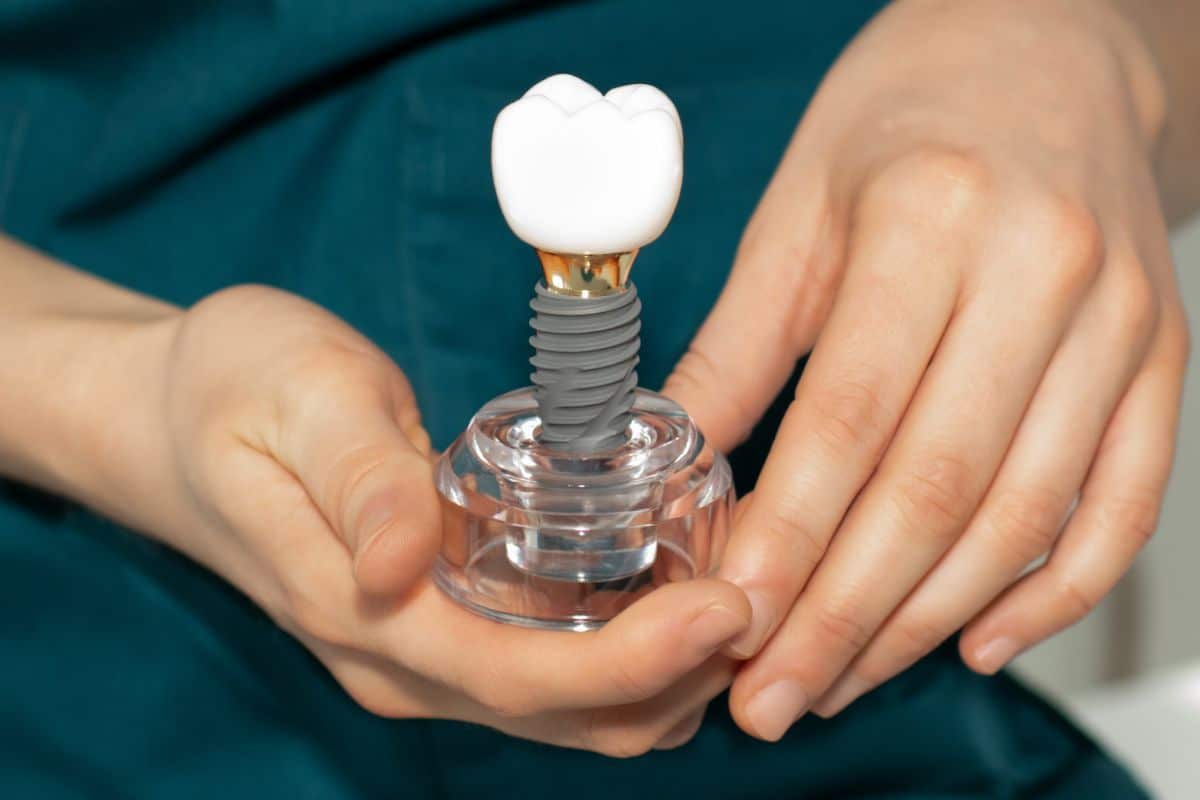
Losing a tooth changes more than your smile. It can affect how comfortably you chew, how clearly you speak, and even how confident you feel during everyday interactions. Many people adapt to missing teeth for years, only to discover later that tooth loss can also contribute to jawbone deterioration and shifting teeth. The good news is that dental implants offer a solution designed to replace both the visible tooth and the root beneath it.
For many adults, the biggest question is not whether implants work, but whether they qualify for treatment. The answer depends on several factors, including oral health, bone support, lifestyle habits, and overall health.
According to the Centers for Disease Control and Prevention (CDC), complete tooth loss becomes more common with age, making reliable tooth replacement solutions an important part of maintaining oral health, nutrition, and quality of life. For many adults who enjoy an active lifestyle, preserving the ability to eat comfortably and smile confidently remains a priority.
At Sunridge Dental Care, our team regularly helps patients determine whether implant treatment is the right fit for their needs. Dr. Amy Okun, Dr. Cynthia Colson, and Dr. William F. Gioia believe informed patients make better decisions about their oral health.
Am I a Good Candidate for the Implant Treatment?
You may be an ideal strong candidate for implants if you have one or more missing teeth, healthy gums, sufficient jawbone support, and a commitment to maintaining your oral health. Stable overall health and good daily oral hygiene habits also contribute to successful outcomes.
While every patient requires an individual evaluation, these are the primary factors dentists assess when determining implant candidacy.
Common Traits of Ideal Implant Candidates
- One or more missing teeth
- Healthy gum tissue
- Adequate jawbone support
- Good oral hygiene habits
- Stable overall health
- Desire for a long-term tooth replacement solution
- Commitment to routine dental care
Is Your Jawbone Strong Enough to Support an Implant?
Implants require adequate bone support because the implant is placed directly into the jawbone. Healthy bone helps create long-term stability and function.
When a tooth is lost, the jawbone no longer receives stimulation from the tooth root. As a result, bone loss can begin shortly after tooth loss occurs.
During your evaluation, your dentist will assess:
- Bone volume
- Bone density
- Jaw anatomy
- Existing oral conditions
Fortunately, bone loss does not automatically eliminate implant options. Many patients can still qualify for treatment after additional procedures that help prepare the site for implant placement.
Are Your Gums Healthy?
Healthy gums provide the foundation that supports successful implant treatment. Active gum disease typically needs to be addressed before implants are placed.
The tissues around an implant must remain healthy to protect the implant and surrounding bone.
Signs of healthy gums include:
- Minimal bleeding during brushing
- Firm gum tissue
- No persistent swelling
- No signs of active infection
Patients researching dental implants in Sun City West often focus on bone health while overlooking gum health. In reality, both are equally important for long-term success.
If periodontal concerns are identified, treatment may be recommended before moving forward with implants.
Do You Practice Good Oral Hygiene?
These artificial tooth roots are designed to be durable, but they still require consistent care. Patients who maintain good oral hygiene typically experience the best long-term outcomes.
Although implants cannot develop cavities, the surrounding tissues remain vulnerable to inflammation and infection if plaque accumulates.
Good candidates usually:
- Brush thoroughly every day
- Clean between teeth regularly
- Attend routine dental visits
- Follow professional recommendations
Think of implants as a partnership between advanced dentistry and daily home care. The healthier your oral environment remains, the better your implant can perform over time.
Are You in Good Overall Health?
Your overall health influences how well your body heals after implant placement. Stable health conditions generally support more predictable healing.
Your dentist will review factors such as:
- Medical history
- Current medications
- Bone health
- Healing capacity
- Existing health conditions
Many patients with controlled medical conditions successfully receive implants. The goal is to identify any factors that may influence treatment planning before beginning the process.
Age alone is rarely the deciding factor. In many cases, overall health matters far more than the number of birthdays you’ve celebrated.
Who May Need Additional Treatment Before Receiving Implants?
Some patients are not immediate implant candidates, but that does not mean implants are off the table. Additional treatment can often improve eligibility.
Examples include:
- Active gum disease
- Untreated oral infections
- Significant bone loss
- Heavy tobacco use
- Certain uncontrolled health conditions
A comprehensive evaluation helps identify these concerns early and allows your dentist to create an appropriate treatment plan.
This is one reason why personalized diagnostics are far more valuable than online self-assessments.
What Do Our Dentists Look For During an Implant Consultation?
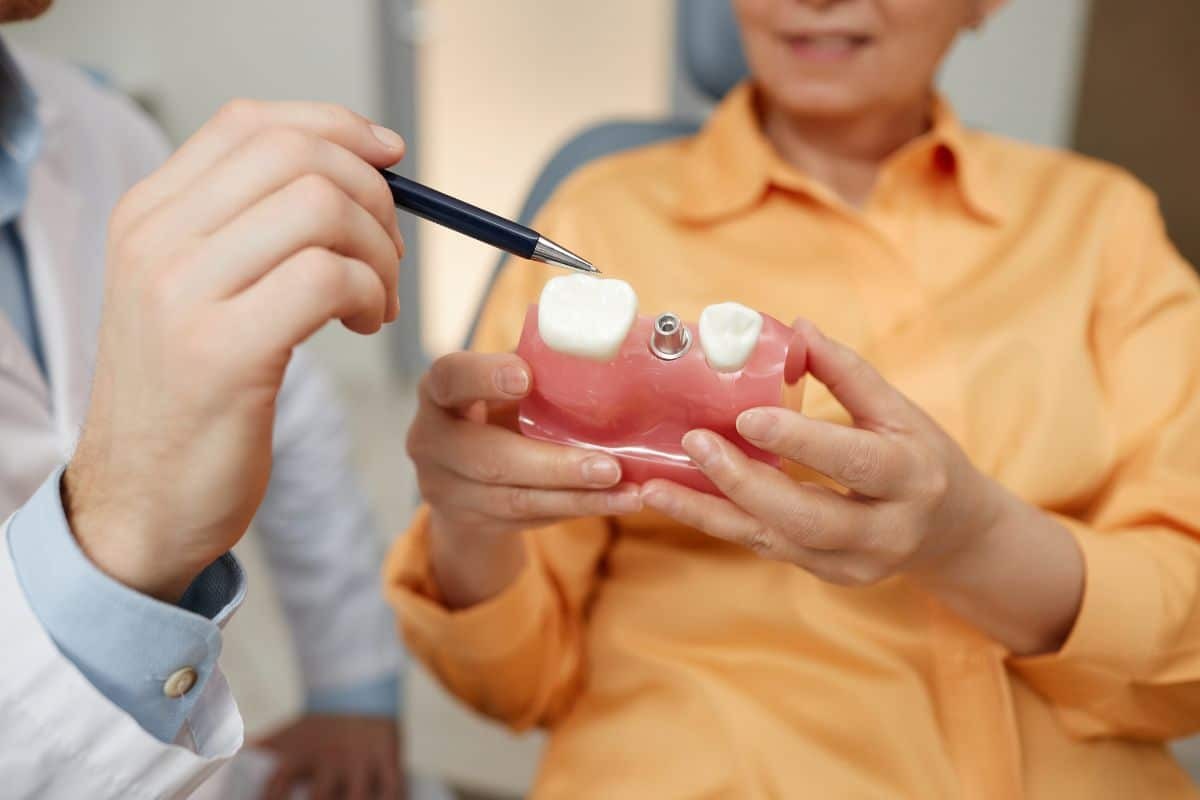
A dental implant consultation involves much more than checking for a missing tooth. The goal is to determine whether your mouth can support a healthy, functional implant for years to come.
At Sunridge Dental Care, the evaluation process may include:
Comprehensive Examination
Your dentist evaluates your teeth, gums, bite, and overall oral health.
Diagnostic Imaging
Advanced imaging helps assess bone quality and identify anatomical considerations that influence treatment planning.
Gum Health Assessment
Healthy gums play a critical role in implant stability and long-term success.
Bite Evaluation
Your bite affects how forces are distributed across your teeth and future restoration.
Medical Review
Certain medical conditions and medications may influence healing and treatment timelines.
These assessments help ensure treatment recommendations are based on clinical findings rather than assumptions.
Do You Want a Tooth Replacement That Feels More Natural?
Many patients choose implants because they closely mimic the function of natural teeth. They are designed to provide stability while supporting everyday activities like eating and speaking.
Benefits often include:
- Improved chewing efficiency
- Stable tooth replacement
- Natural appearance
- Better comfort
- Preservation of jawbone structure
Many people exploring dental implants in Sun City West appreciate the ability to enjoy favorite meals, participate in community activities, and smile confidently without worrying about a missing tooth.
For individuals who spend time dining with family, participating in local clubs, or enjoying community events, these benefits can have a meaningful impact on daily life.
Why Early Evaluation Matters
The sooner a missing tooth is evaluated, the more treatment options may be available. Early intervention can help reduce the effects of ongoing bone loss.
If you have recently lost a tooth, scheduling an evaluation sooner rather than later may help preserve future treatment possibilities.
You should consider an implant consultation if:
- You recently lost a tooth
- You wear a removable denture
- You struggle to chew comfortably
- You dislike the appearance of a missing tooth
- You want a stable replacement option
Even if your tooth loss occurred years ago, an assessment can determine what options are available today.
Frequently Asked Questions
1. What is the ideal age for dental implants?
There is no specific age limit for dental implants. Most dentists focus on bone health, gum health, and overall wellness rather than age alone when determining candidacy.
2. Can I receive implants if I have bone loss?
Possibly. Many patients with reduced bone volume still qualify for treatment after additional procedures that help improve the support available for implant placement.
3. How long does the dental implant process take?
Treatment timelines vary depending on healing, bone quality, and individual treatment needs. Your dentist will provide a personalized timeline after completing a thorough evaluation.
4. Do dental implants look like natural teeth?
Yes. Implant restorations are custom-designed to blend with your smile, creating a natural appearance while restoring everyday function and comfort.
5. Can smokers get dental implants?
Some smokers may still qualify for treatment. However, tobacco use can affect healing and may increase the likelihood of implant-related complications.
6. What happens if I do not replace a missing tooth?
A missing tooth can contribute to bone loss, shifting teeth, bite changes, and chewing difficulties over time. Early replacement often helps reduce these concerns.
7. Is an implant consultation necessary before treatment?
Yes. A comprehensive examination helps determine candidacy, identify potential concerns, and create a treatment plan based on your specific oral health needs.
Find Out Whether Dental Implants Are Right for You
Implants offer a proven solution for replacing missing teeth, but the best results begin with a professional evaluation. Factors such as gum health, bone support, overall health, and lifestyle habits all play a role in determining candidacy.
If you have been living with missing teeth, now is the time to learn about your options before additional bone loss occurs. A personalized assessment at Sunridge Dental Care can help determine whether implant treatment is appropriate for your anatomy, oral health, and long-term goals.
If you’re considering replacing missing teeth, visit our dental office for a personalized consultation. We’ll assess your oral health, discuss your treatment options, and help you determine whether dental implants are the right solution for your smile.