Could your dental implant develop a problem even years after treatment? Implant treatment has a strong clinical track record, but no restoration is completely free from complications. Problems can develop during healing or later because of infection, bone changes, excessive bite forces, or other health factors.
At Sunridge Dental Care, located at 13830 W Camino Del Sol #200, Sun City West, AZ, Dr. Okun helps patients understand what supports long-term implant health and when changes deserve attention. Patients considering dental implants in Sun City West should know that early evaluation, careful treatment planning, and consistent maintenance all matter. This guide explains why dental implants may fail, the warning signs to watch for, and practical ways to protect your restored smile.
What Does Dental Implant Failure Actually Mean?
Implant failure means the implant cannot maintain a stable, healthy connection with the surrounding jawbone and gum tissue. It can happen shortly after placement or years after successful treatment.
During healing, the implant needs to bond with the jawbone through osseointegration. This biological process generally takes several months. A problem with healing can prevent adequate stability. Later failure may occur when infection, bone loss, or excessive mechanical forces compromise a previously stable implant.
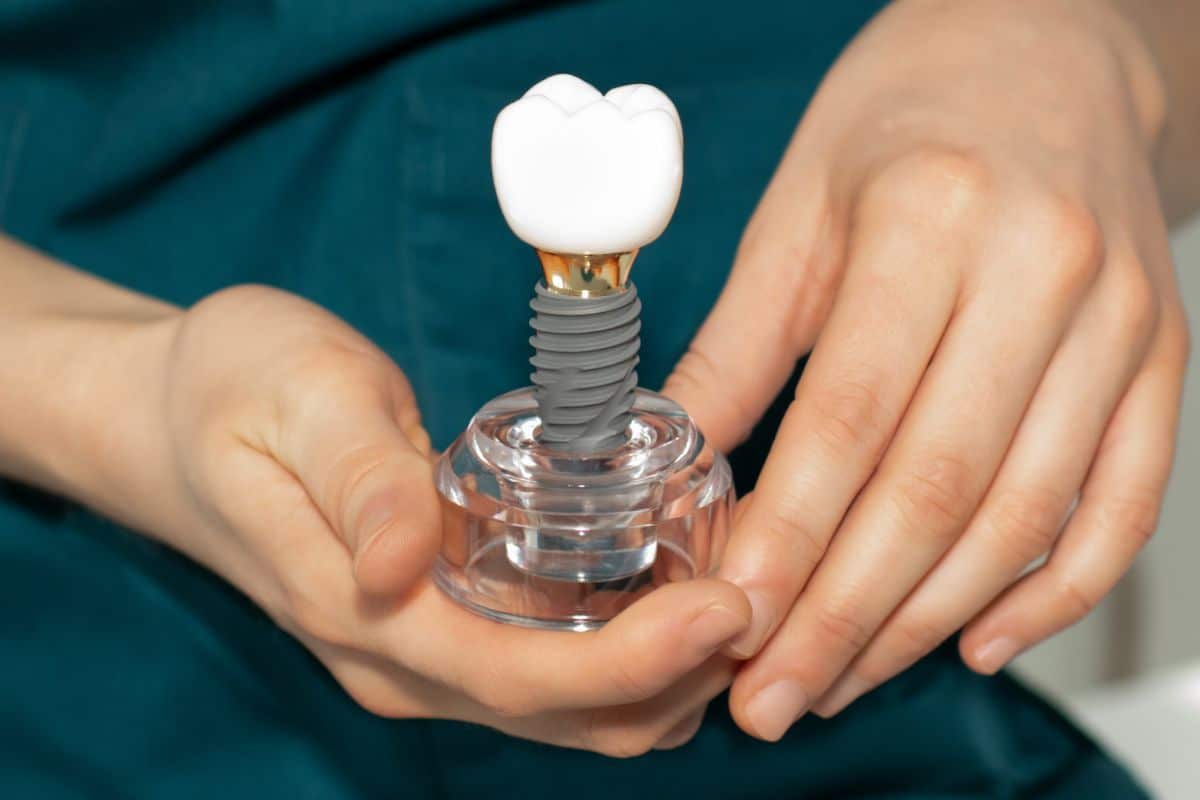
Importantly, a problem with the crown or another restoration does not automatically mean the implant itself has failed. A dentist must determine which component is causing the problem.
Why Do Dental Implants Fail?
Dental implants failure usually involves biological, mechanical, or patient-related factors rather than one isolated cause. Recognizing these factors helps patients understand why thorough planning and follow-up care matter.
1. Poor Osseointegration
An implant needs enough healthy jawbone around it to become stable. Insufficient bone volume, impaired healing, infection, or excessive movement during early healing can interfere with osseointegration.
This is why pre-treatment evaluation matters. Imaging helps a dentist assess available bone and determine whether additional procedures may be necessary before implant placement.
2. Peri-Implant Disease
Plaque and bacteria can inflame the tissue surrounding an implant. Early inflammation around the gum tissue is called peri-implant mucositis. When inflammation progresses and affects supporting bone, the condition is known as peri-implantitis.
Peri-implantitis may cause bleeding, swelling, gum changes, and progressive bone loss. Early professional care can help address inflammation before more supporting tissue becomes involved.
3. Excessive Bite Forces and Teeth Grinding
An implant is designed to handle normal chewing forces. However, persistent clenching or grinding can place excessive pressure on the implant and restoration.
Overloading may contribute to mechanical complications or stress the surrounding bone. Dr. Okun can evaluate your bite and determine whether additional protection, such as a nightguard, may be appropriate.
4. Smoking and Health Factors
Smoking can negatively affect oral tissues and the healing process. Certain uncontrolled health conditions may also influence the body’s ability to heal after implant surgery.
This does not automatically rule out treatment. A detailed medical history allows your dentist to assess individual risks and plan treatment appropriately.
What Are the Warning Signs of a Failing Dental Implant?
A stable implant should not feel loose or increasingly painful after the normal healing period. Contact a dentist if you develop:
- Movement or looseness around the implant
- Persistent or worsening pain
- Swollen or tender gums
- Bleeding around the implant
- Pus or another sign of infection
- Gum recession near the restoration
- Difficulty or discomfort while chewing
- A noticeable change in your bite
A loose implant deserves particular attention. Our office advises patients to contact their dentist for symptoms such as implant mobility, bleeding gums, swelling, fever, or pus around the implant.
Not every symptom confirms failure. A loose crown, damaged abutment, or gum inflammation may produce similar symptoms. A clinical examination and dental imaging can identify the underlying cause.
Can a Failing Dental Implant Be Saved?
Sometimes, it can be saved. Treatment depends on what is causing the problem, how early it is detected, and how much supporting tissue remains.
For early inflammation, professional cleaning and improved home care may help restore healthier tissue. More advanced peri-implant disease may require additional periodontal or surgical treatment.
Mechanical problems may instead involve repairing or replacing the restoration. If the implant has lost substantial bone support or remains mobile, removal may become necessary.
Do not wait until discomfort becomes severe. If something around your restoration feels different, book an appointment with us for an evaluation. Early diagnosis often provides more treatment options.
How Can You Lower the Risk of Implant Failure?
Long-term implant care continues after the final crown is placed. Patients with dental implants from our Sun City West office can protect their investment by treating implant maintenance as part of routine oral healthcare.
Helpful habits include:
- Brush thoroughly twice each day.
- Clean carefully around the implant and gumline.
- Use floss or interdental cleaning aids as recommended.
- Keep routine dental examinations and professional cleanings.
- Avoid smoking and tobacco use.
- Tell your dentist if you regularly clench or grind your teeth.
- Seek care for persistent bleeding, swelling, pain, or mobility.
The American Academy of Implant Dentistry notes that bacterial disease and excessive stress can contribute to implant loss. It also emphasizes ongoing professional follow-up.
Why Regular Implant Checkups Matter Even When Nothing Hurts
A lack of pain does not always mean the tissues around an implant are healthy. Early inflammation or bone changes may develop before a patient notices significant symptoms.
During follow-up visits, our practice can examine the gum tissue, evaluate stability and bite forces, and use imaging when clinically appropriate. These appointments also provide an opportunity to check the crown, abutment, and surrounding teeth.
Sunridge Dental Care provides implant treatment along with general dentistry and oral surgery services, allowing patients to receive ongoing oral health support within our dental office.
Protect Your Dental Implant With the Right Follow-Up Care
Implant complications are easier to address when changes are identified early. Consistent oral hygiene, routine professional care, a healthy bite, and attention to unusual symptoms can all support long-term implant function.
If you are considering dental implants in Sun City West or have concerns about an existing restoration, Sunridge Dental Care can evaluate your oral health and discuss the appropriate next step. Visit our dental office for professional guidance on dental implants, implant maintenance, and long-term oral health.
FAQs
1. Can a dental implant fail years after it was placed?
Yes. Late complications can occur after an implant has functioned successfully for years. Peri-implantitis, progressive bone loss, smoking, poor plaque control, or excessive bite forces may contribute. Regular examinations allow a dentist to monitor the supporting tissues and identify changes that may not yet cause noticeable discomfort.
2. Is pain around an implant always a sign of failure?
No. Mild discomfort is expected during early healing, while persistent or new pain after healing deserves evaluation. Pain may result from inflammation, infection, bite pressure, or a problem with the restoration rather than complete implant failure. A dental examination and imaging can help determine the cause.
3. What should I do if my implant feels loose?
Schedule a dental evaluation promptly and avoid repeatedly testing or moving the area yourself. Movement may come from the crown, abutment, or the implant itself. Because these problems require different treatments, your dentist needs to identify which component is moving before recommending care.
4. Can gum disease affect dental implants?
Yes. Implants cannot develop cavities, but the surrounding gum and bone remain vulnerable to bacterial inflammation. Peri-implantitis can damage supporting bone if it progresses. Daily plaque control, professional cleanings, and routine examinations help dentists monitor the tissues and address inflammation as early as possible.
5. How often should an implant be checked by a dentist?
The appropriate schedule depends on your oral health, gum condition, medical history, and risk factors. Many patients receive implant monitoring during their regular preventive visits. Patients with previous periodontal disease or other risk factors may need closer follow-up. Your dental team can recommend a maintenance interval based on your individual findings.