Sugar is everywhere—in your morning coffee, favorite snacks, soft drinks, and even foods you might not expect, like bread and pasta sauces. While a sweet treat can feel harmless, the effects of sugar on your teeth and overall health are far from minor. In fact, excess sugar consumption is one of the leading causes of dental decay and several chronic health conditions.
If you live in Sun City West, AZ, understanding how sugar impacts your oral health is the first step toward protecting your smile for years to come.
How Sugar Damages Your Teeth
Sugar itself doesn’t directly cause cavities—but it fuels the harmful bacteria that live in your mouth.
When you eat sugary foods or drinks:
- Bacteria in your mouth feed on the sugar.
- These bacteria produce acid as a byproduct.
- The acid attacks your tooth enamel.
- Repeated acid attacks weaken enamel, leading to cavities.
This process is especially harmful when sugary foods are consumed frequently throughout the day. Sipping soda, sweet tea, or snacking on candy repeatedly exposes your teeth to continuous acid attacks, increasing the risk of decay.
The Role of Plaque
Plaque is a sticky film of bacteria that forms on your teeth daily. When sugar combines with plaque, the acid production intensifies. Over time, this can lead to:
- Cavities
- Gum inflammation
- Bad breath
- Tooth sensitivity
- Enamel erosion
Without proper oral hygiene, plaque hardens into tartar, which can only be removed by a dental professional.
Sugar and Gum Disease
Most people associate sugar with cavities, but its impact goes beyond tooth decay. High sugar intake contributes to inflammation throughout the body—including your gums.
When plaque builds up along the gumline, it can cause gingivitis, the earliest stage of gum disease. Symptoms include:
- Red, swollen gums
- Bleeding while brushing
- Persistent bad breath
If left untreated, gingivitis can progress into periodontitis, a more serious condition that can lead to tooth loss.
Hidden Sugars You May Not Notice
Even if you avoid candy and desserts, sugar may still be affecting your smile. Many everyday foods contain hidden sugars, including:
- Breakfast cereals
- Flavored yogurt
- Energy bars
- Sports drinks
- Salad dressings
- Pasta sauces
Labels may list sugar under different names, such as
- High-fructose corn syrup
- Sucrose
- Glucose
- Maltose
- Dextrose
Being mindful of ingredient labels can help you reduce your daily sugar intake without feeling deprived.
The Connection Between Sugar and Overall Health
Your oral health is closely connected to your overall health. Excess sugar consumption has been linked to:
- Type 2 diabetes
- Heart disease
- Obesity
- Inflammation-related conditions
Diabetes, in particular, has a strong two-way relationship with gum disease. High blood sugar levels make it harder for your body to fight infections, including those in your gums. Meanwhile, gum disease can make it more difficult to control blood sugar levels.
For adults in Sun City West—especially retirees managing chronic conditions—reducing sugar intake can play a vital role in maintaining both oral and systemic health.
Warning Signs Sugar May Be Affecting Your Teeth
You may not immediately notice damage caused by sugar. However, watch for these early signs:
- Tooth sensitivity to hot or cold
- White spots on enamel
- Persistent bad breath
- Bleeding gums
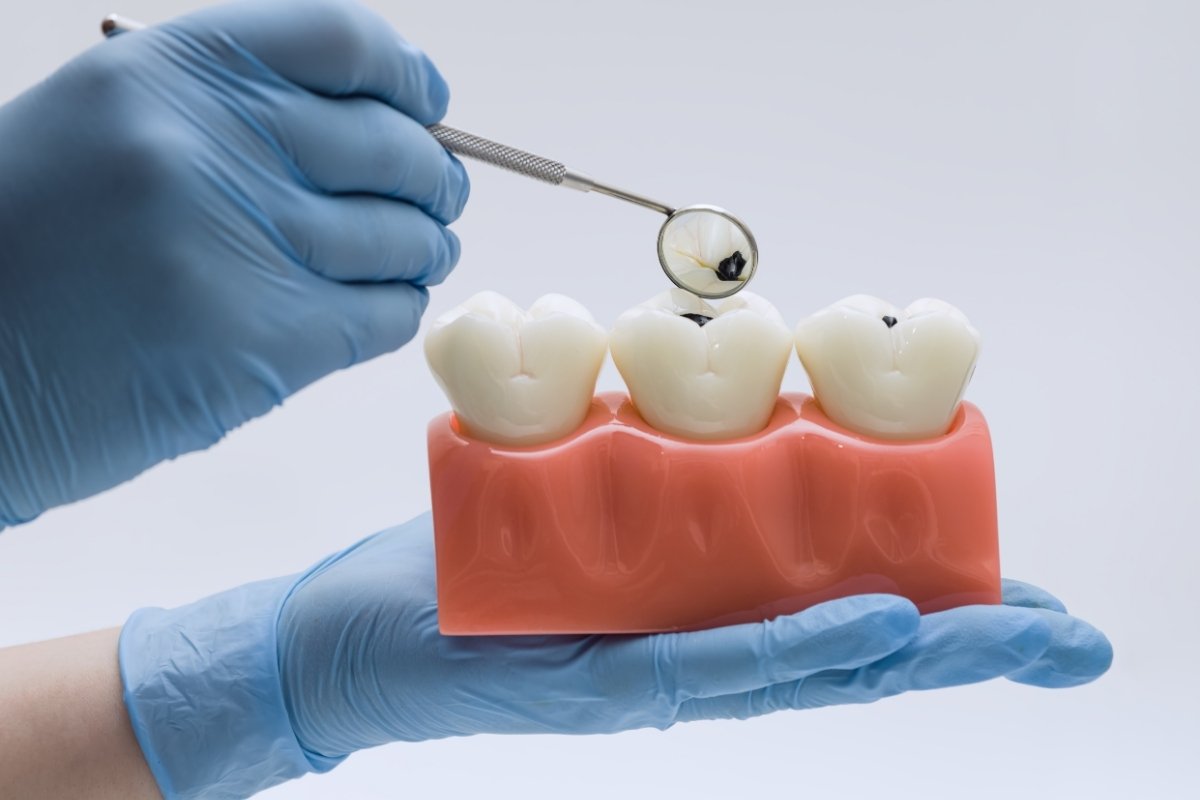
- Visible holes or dark spots on teeth
- Frequent cavities
If you experience any of these symptoms, scheduling a dental exam promptly can prevent small problems from becoming major issues.
Simple Prevention Tips to Protect Your Smile
The good news? You don’t have to eliminate sugar to maintain healthy teeth. Smart habits can dramatically reduce your risk.
1. Limit Frequency, Not Just Quantity
Eating a large dessert once is less harmful than snacking on sugary foods throughout the day. Try to consume sweets during meals rather than as standalone snacks.
2. Rinse with Water After Sugary Foods
If brushing isn’t possible, rinse your mouth with water to help wash away sugars and acids.
3. Brush Twice Daily
Use fluoride toothpaste and brush for at least two minutes, morning and night. Fluoride strengthens enamel and helps reverse early decay.
4. Don’t Forget to Floss
Flossing removes plaque and food particles from between teeth where your toothbrush can’t reach.
5. Choose Tooth-Friendly Alternatives
Swap sugary drinks for water or unsweetened beverages. Choose fresh fruits instead of sticky candies. Cheese and nuts can also help neutralize acid.
6. Schedule Regular Dental Cleanings
Professional cleanings remove tartar buildup and allow your dentist to detect early signs of decay or gum disease.
Smart Sugar Substitutes: Are They Safer?
Sugar substitutes like xylitol may be less harmful to teeth because oral bacteria cannot ferment them the same way they do sugar. In fact, xylitol has been shown to reduce cavity-causing bacteria.
However, moderation is still key. Even “sugar-free” drinks can be acidic and contribute to enamel erosion.
Why Preventive Care Matters in Sun City West
As we age, our teeth can become more vulnerable due to:
- Receding gums
- Dry mouth (often caused by medications)
- Worn enamel
- Existing dental work
Dry mouth, in particular, increases cavity risk because saliva helps neutralize acids and wash away bacteria. Staying hydrated and discussing dry mouth concerns with your dentist can help protect your smile.
Preventive dentistry is especially important in maintaining strong teeth and healthy gums throughout retirement and beyond.
The Long-Term Cost of Ignoring Sugar’s Effects
Untreated cavities don’t stay small. What begins as minor enamel damage can lead to:
- Painful tooth infections
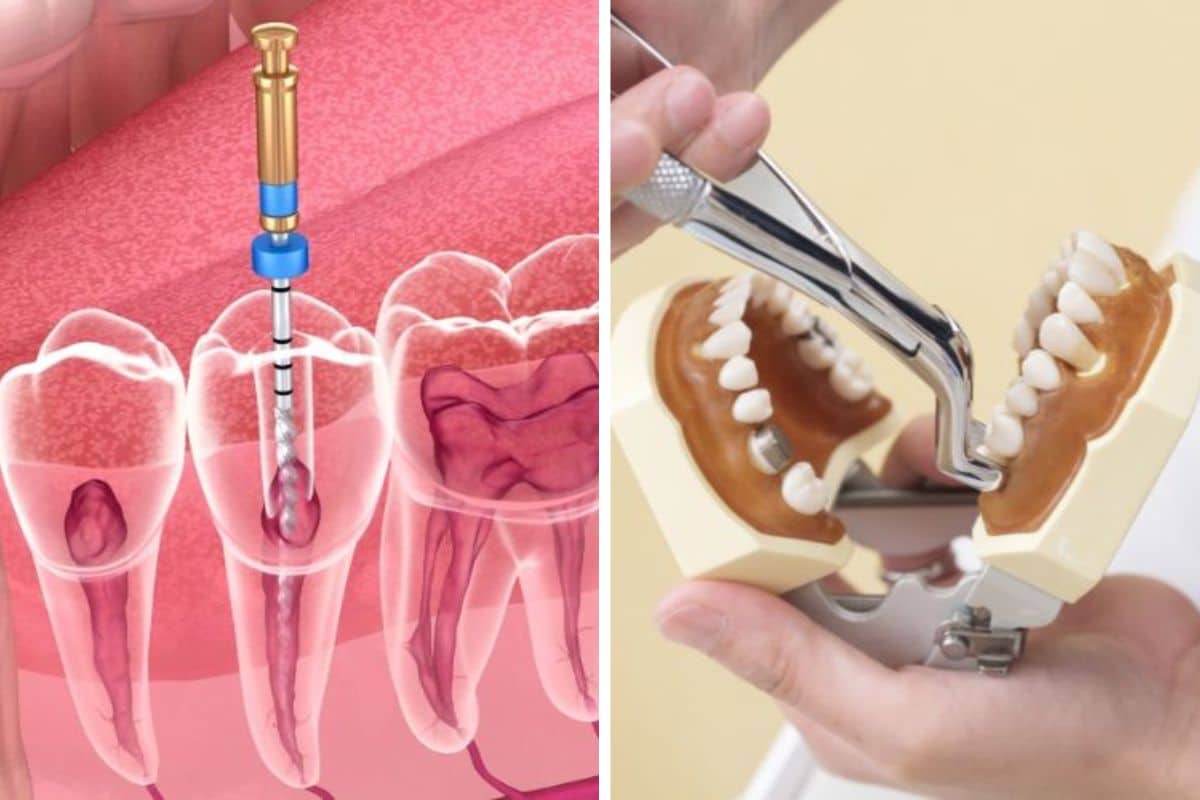
- Root canal treatment
- Tooth extractions
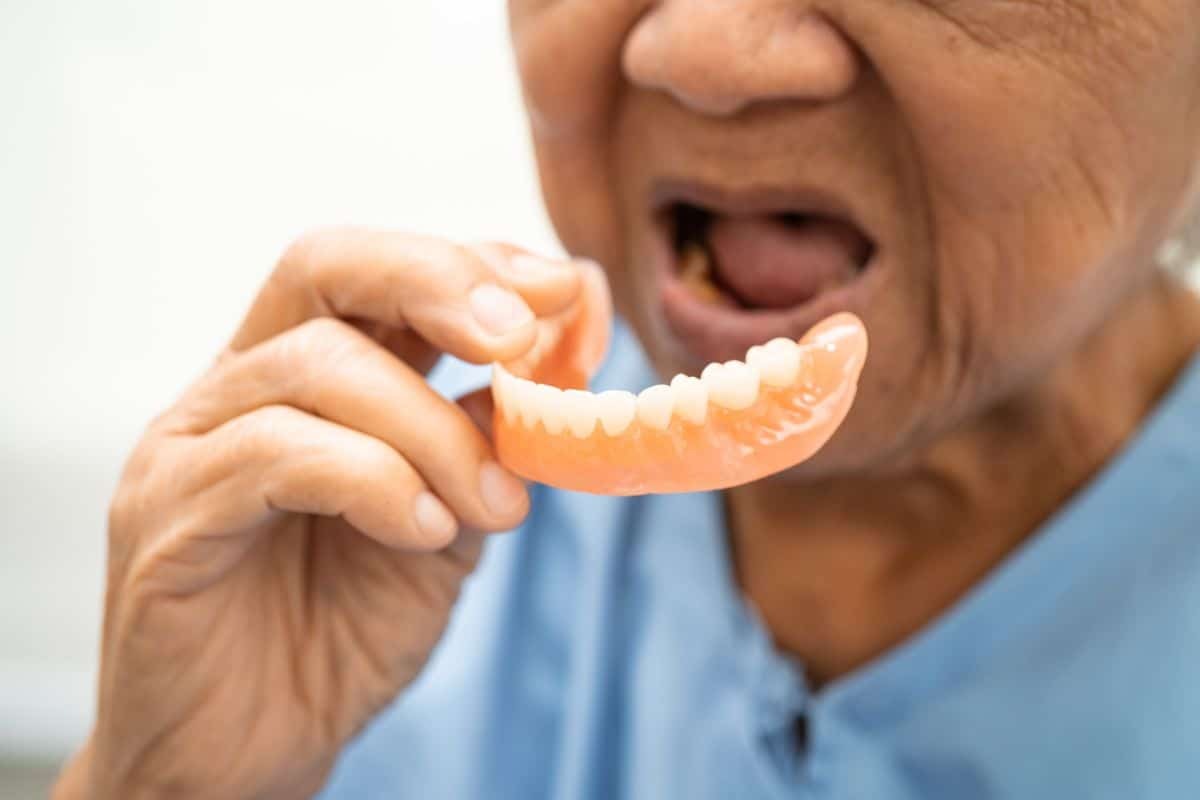
- Dental implants or dentures
Beyond the financial cost, advanced dental problems can affect your ability to chew, speak clearly, and maintain confidence in your smile.
The good news is that most sugar-related dental issues are preventable with consistent care and professional guidance.
Sugar is part of modern life, but its impact on your teeth and health cannot be ignored. By making mindful dietary choices, practicing good oral hygiene, and keeping up with routine dental visits, you can enjoy a healthier smile for years to come. Book your appointment today or visit our dental office at 13830 W Camino Del Sol #200, Sun City West, AZ 85375.
FAQs
1. Does sugar cause cavities immediately?
No, cavities develop over time. However, frequent sugar exposure allows bacteria to produce acid repeatedly, which gradually weakens enamel and leads to decay.
2. Are natural sugars like honey or fruit safer for teeth?
Natural sugars can still feed harmful bacteria. Whole fruits are healthier because they contain fiber and nutrients, but sticky or dried fruits can increase cavity risk if proper oral hygiene isn’t maintained.
3. How often should I see the dentist to prevent sugar-related damage?
Most patients benefit from dental checkups and cleanings every six months. Your dentist may recommend more frequent visits if you are at higher risk for cavities or gum disease.