Regular dental checkups are essential for maintaining good oral health. Whether it’s a routine cleaning, filling, or another procedure, preparing for your dental appointment can help ensure a smooth experience. You might be wondering what you should or shouldn’t do before sitting in the dentist’s chair. In this blog, we’ll cover what you should avoid before your dental visit to make the most of your appointment and help your dentist do their best work.
1. Avoid Eating a Heavy Meal
While it’s important to eat something before your dental appointment—especially if you’re going in for a procedure that requires local anesthesia—avoid eating a heavy or large meal right before your visit. Eating a big meal could make you uncomfortable during the appointment, particularly if you’re lying back in the dentist’s chair for an extended period.
Additionally, certain foods can leave residues or odors in your mouth, which can be unpleasant during close interactions with your dentist or hygienist.
What to do:
- Opt for a light meal or snack about an hour or two before your appointment.
- Avoid foods with strong odors like garlic or onions.
- Brush your teeth after eating to remove any food particles and freshen your breath.
2. Avoid Excessive Caffeine
It can be tempting to grab a cup of coffee or energy drink for a little boost of energy before heading to the dentist, but caffeine might not be the best choice before your appointment. Caffeine is a stimulant that can increase feelings of nervousness or anxiety, which could make the dental visit more stressful, especially if you have dental anxiety.
Moreover, caffeine can cause dry mouth, which is not ideal when the dentist is working on your teeth, as it can hinder their ability to get a clear look at your oral tissues.
What to do:
- If you’re feeling tired, hydrate with water instead of reaching for caffeine. This will keep your mouth moist and help avoid nervous jitters.
- If you’re going to have caffeine, limit your intake to a small amount and avoid sugary or highly acidic coffee drinks.
3. Avoid Smoking or Using Tobacco Products
Smoking or using tobacco before a dental appointment can negatively affect your oral health in several ways. Tobacco can lead to dry mouth, bad breath, and stained teeth, making it harder for your dentist to assess the condition of your teeth and gums. Smoking right before your visit can also cause the taste and smell of tobacco to linger, which can be unpleasant for both you and your dental care provider.
In the long term, smoking increases your risk of gum disease, oral cancer, and delayed healing after dental procedures.
What to do:
- Avoid smoking or using tobacco products for at least a few hours before your appointment.
- Consider using mouthwash to freshen your breath and clean your mouth.
4. Avoid Alcohol
It’s best to avoid consuming alcohol before a dental appointment, especially if you’ll be receiving anesthesia or sedation for a procedure. Alcohol can interact with certain medications, including anesthetics, and may increase the risk of complications. Additionally, alcohol is a diuretic, which can dry out your mouth and affect the way dental tools interact with your gums and teeth.
Some people might think alcohol can help reduce anxiety before a dental visit, but it can actually increase dehydration and nervousness in some cases.
What to do:
- Skip alcoholic beverages before your dental visit.
- If you’re feeling anxious about your appointment, talk to your dentist about sedation options or relaxation techniques that can help you stay calm.
5. Avoid Whitening Products
If you’re using whitening toothpaste or other whitening products, it’s a good idea to stop using them at least a few days before your appointment. Whitening products can sometimes make your teeth more sensitive, which may cause discomfort during a dental cleaning or examination.
Additionally, if you’re planning to ask your dentist about professional teeth whitening, it’s best to avoid over-the-counter products before the appointment so your dentist can assess the natural color of your teeth more accurately.
What to do:
- Pause the use of any whitening products before your dental visit, especially if you’ve experienced sensitivity in the past.
- Discuss professional whitening options with your dentist if you’re interested in achieving a brighter smile.
6. Avoid Skipping Oral Hygiene
While it might seem obvious, some patients may feel nervous or embarrassed about their oral health and might skip brushing or flossing before an appointment. However, it’s important to maintain your regular oral hygiene routine leading up to the appointment.
Arriving at the dentist with a clean mouth not only helps your dentist or hygienist see your teeth more clearly but also ensures you’re making the most of the time spent in the dental chair.
What to do:
- Brush your teeth for at least two minutes and floss thoroughly before your appointment to remove food particles and plaque.
- If your appointment is later in the day, consider bringing a toothbrush and toothpaste with you so you can clean your teeth beforehand.
7. Avoid Over-Explaining Dental Anxiety
It’s natural to feel nervous about a dental visit, and dentists are experienced in helping patients cope with anxiety. However, focusing too much on your fears before the appointment might increase your anxiety rather than alleviate it.
Instead of explaining your nervousness repeatedly, it can be helpful to discuss relaxation techniques with your dentist, such as deep breathing exercises, music, or sedation options. Most dentists are understanding and will work with you to make the experience as comfortable as possible.
What to do:
- Let your dentist know about your dental anxiety upfront but try to stay focused on the positive aspects of your visit, such as maintaining your oral health or improving your smile.
- Discuss relaxation methods or options with your dentist to reduce stress during your appointment.
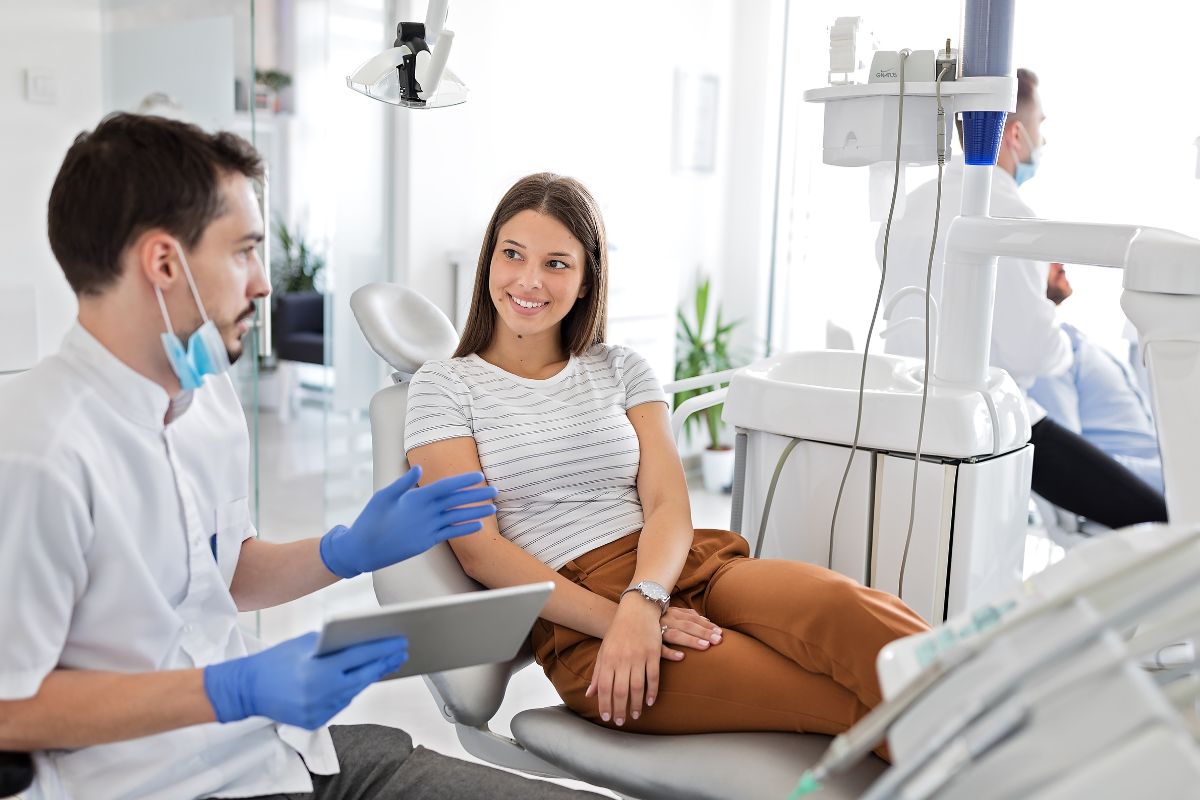
Preparing for your dental appointment goes beyond just showing up. By avoiding heavy meals, caffeine, alcohol, and smoking before your visit—and maintaining good oral hygiene—you can ensure a more pleasant and productive experience. If you’re feeling nervous, communicate with your Sun City West dentist about your concerns, and they’ll work with you to make your visit as comfortable as possible.
Following these guidelines will not only make your dental appointment go more smoothly but also set you up for long-term oral health success. Remember, regular dental checkups are essential for preventing problems and catching issues early, so it’s worth making the effort to prepare properly!