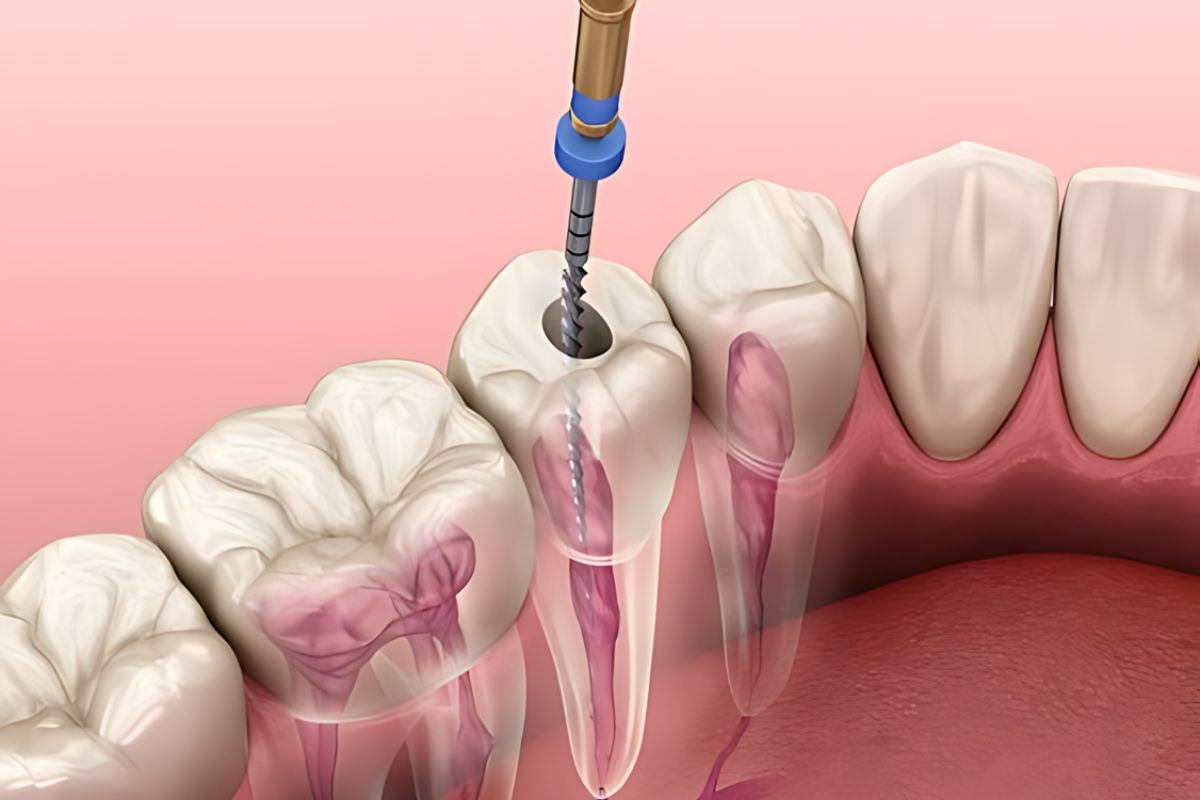
A root canal procedure is an effective way to save a damaged or infected tooth and relieve pain. While the treatment itself removes infection and restores function, proper aftercare is essential to ensure long-term success and avoid complications. Knowing what to expect—and how to care for your tooth afterward—can help you heal faster and protect your smile.
We’ll walk you through root canal care tips, what to avoid, and when to see your dentist again.
What to Expect After a Root Canal
After a root canal, it’s normal to experience mild tenderness or sensitivity for a few days. This happens because the surrounding tissues may be slightly inflamed from the procedure. Most discomfort can be managed with over-the-counter pain relievers and typically fades within a week.
If pain worsens or lasts longer than expected, it’s important to contact your dentist promptly.
Essential Aftercare Tips for Root Canal Recovery
1. Be Gentle While Chewing
Avoid chewing on the treated tooth until your dentist places a permanent crown or filling. The tooth may be temporarily weakened and more prone to cracking. Stick to soft foods such as:
- Yogurt
- Mashed potatoes
- Scrambled eggs
- Smoothies
Chew on the opposite side of your mouth whenever possible.
2. Maintain Excellent Oral Hygiene
Keeping your mouth clean is critical after a root canal. Continue brushing and flossing as usual, but be gentle around the treated area. Good oral hygiene helps prevent reinfection and promotes faster healing.
Best practices include:
- Brushing twice daily with a soft-bristle toothbrush
- Flossing carefully once a day
- Using an alcohol-free antimicrobial mouthwash if recommended by your dentist
3. Manage Pain and Swelling Properly
Mild pain or swelling is normal and can usually be controlled with ibuprofen or acetaminophen. Always follow dosage instructions and avoid aspirin directly on the gums.
If your dentist prescribed antibiotics, complete the full course even if you start feeling better.
4. Avoid Hard, Sticky, or Crunchy Foods
Certain foods can damage a treated tooth, especially before it’s fully restored. Avoid:
- Ice
- Hard candies
- Nuts
- Chewing gum
- Sticky foods like caramel
These can dislodge temporary fillings or cause fractures.
5. Don’t Skip Your Follow-Up Appointment
A root canal is often completed in stages. Many teeth require a custom dental crown to restore strength and protect against future damage. Skipping this step increases the risk of tooth fracture or reinfection.
Your dentist will evaluate healing and ensure the tooth is fully sealed and functional.
Warning Signs You Shouldn’t Ignore
Contact your dentist immediately if you notice:
- Severe or increasing pain
- Swelling that doesn’t subside
- A loose temporary filling
- Signs of infection, such as fever or pus
- Pain when biting weeks after treatment
Early intervention can prevent complications and save the tooth.
How Long Does a Root Canal–Treated Tooth Last?
With proper care and a permanent restoration, a tooth that has undergone root canal treatment can last many years—or even a lifetime. The key is consistent oral hygiene, regular dental checkups, and protecting the tooth with a crown if recommended.
Why Professional Follow-Up Care Matters
Even though the infection inside the tooth has been removed, long-term success depends on proper sealing, restoration, and monitoring. Regular dental visits allow your dentist to:
- Ensure the tooth is healing correctly
- Detect early signs of reinfection
- Maintain your overall oral health
Preventive care now can save you from more extensive dental treatments later.
If you’ve recently had a root canal—or think you may need one—professional guidance makes all the difference. Our experienced dental team is here to support your recovery, protect your tooth, and keep your smile healthy for years to come. Book an appointment today to schedule your follow-up visit or consultation and take the next step toward lasting oral health.