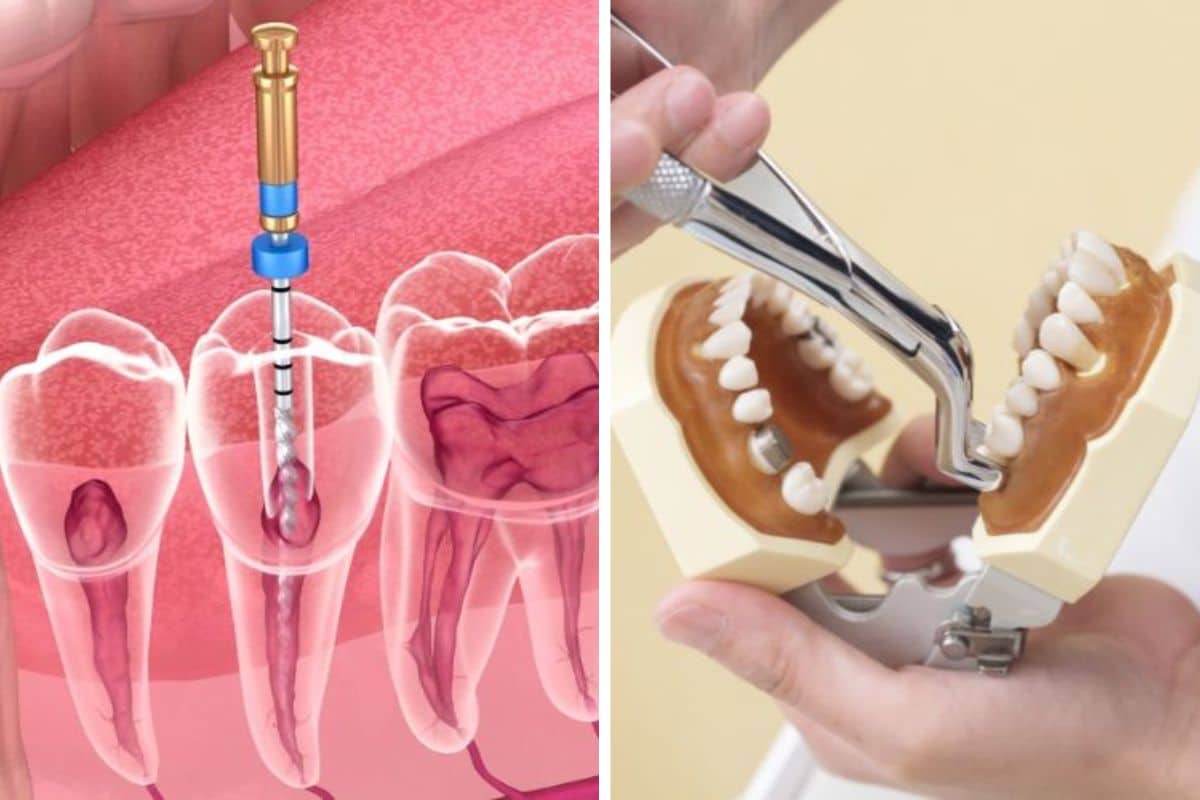
Your teeth are more than just the visible white enamel and dentin; they house a crucial inner component known as the dental pulp. The pulp is the soft tissue located in the center of your teeth, containing nerves, blood vessels, and connective tissue. Its primary role is to provide nutrients, sensory function, and formation signals to keep your teeth healthy and responsive. Understanding what pulp is and how it impacts your oral health is essential for maintaining a strong, pain-free smile.
The dental pulp plays a critical role in tooth development and ongoing health. It not only helps in forming dentin but also acts as a warning system by sending pain signals when your tooth is compromised. When the pulp becomes inflamed or infected—commonly due to deep decay, trauma, or cracks—it can lead to severe pain, sensitivity, and even tooth loss if untreated. For professional care and treatment options, a dentist in Sun City West AZ, can evaluate the condition of your pulp and determine the best approach to save or restore your tooth.
How Pulp Affects Tooth Health
The pulp is sensitive to changes in temperature, pressure, and injury. Because it contains nerves, any damage or infection can result in intense discomfort. Untreated pulp damage can progress to pulpitis (inflammation of the pulp) or necrosis (death of the pulp tissue). This can further affect the surrounding bone and tissue, leading to abscess formation and spreading infections that may threaten overall oral health.
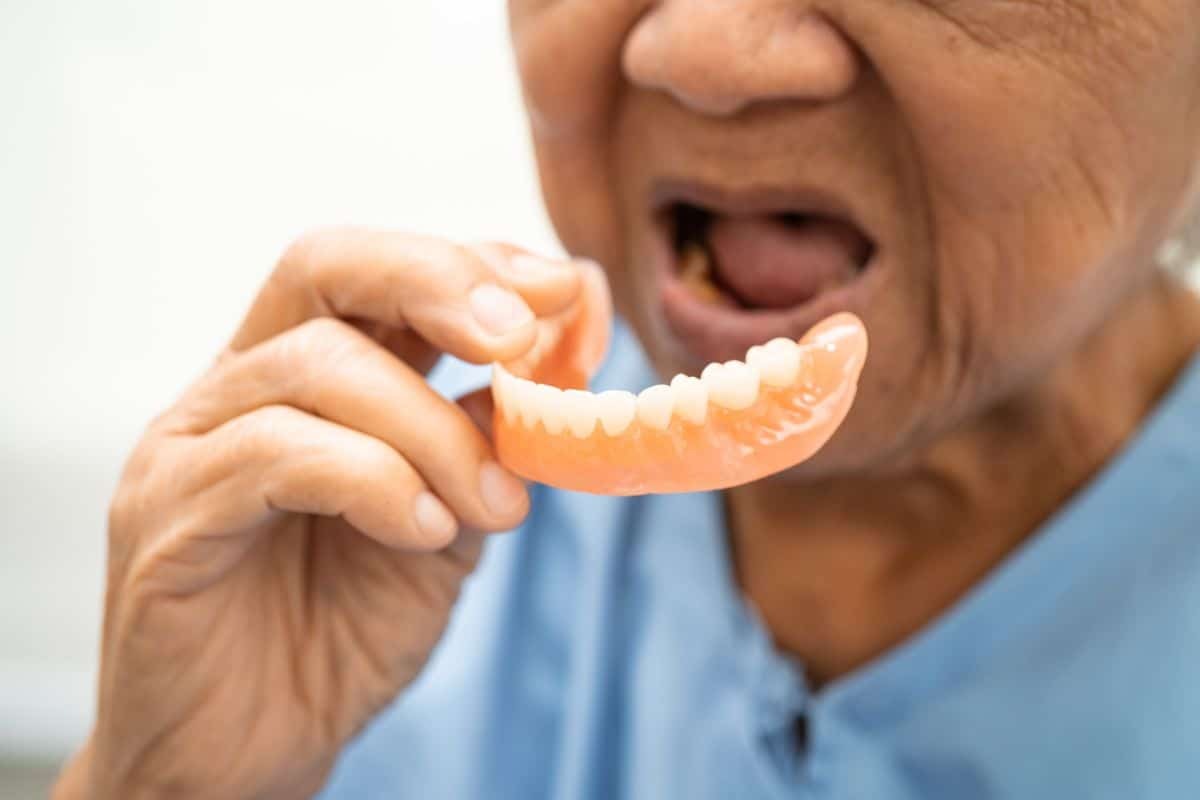
Maintaining good oral hygiene is critical for protecting the pulp. Brushing twice daily, flossing, and regular dental checkups help prevent cavities and cracks that can compromise the pulp. Early detection of pulp issues can often allow for treatments like root canal therapy, which removes the infected tissue while preserving the rest of the tooth. Ignoring pulp health, on the other hand, often leads to tooth extraction, which may require restorative options such as dental implants, bridges, or dentures.
Signs of Pulp Problems
Some common indicators that your dental pulp may be affected include:
- Persistent tooth pain: Especially when chewing or applying pressure.
- Sensitivity to hot or cold: Lingering discomfort after consuming hot or cold foods and beverages.
- Swelling or tenderness in gums: Localized swelling may indicate infection spreading from the pulp.
- Discoloration of the tooth: Darkening may suggest pulp death.
If you experience any of these symptoms, timely intervention can save your tooth and prevent further complications.
Treatments for Pulp Issues
The treatment depends on the severity of the pulp problem:
- Pulp Capping: If the pulp is exposed but not severely damaged, a protective material may be applied to encourage healing.
- Root Canal Therapy: For infected or inflamed pulp, the tissue is removed, the root canals are cleaned, and the space is sealed to prevent further infection.
- Tooth Extraction: When the tooth cannot be saved, extraction is necessary, followed by restorative solutions like implants or bridges.
Regular dental visits and preventive care are the best ways to protect your pulp and overall tooth health.
Conclusion
The dental pulp is vital for tooth vitality, providing nourishment, sensation, and defense against injury. Protecting it through good oral hygiene and regular dental care is essential for maintaining a healthy smile. If you suspect pulp-related problems or want to safeguard your teeth, schedule an appointment at 13830 W Camino Del Sol # 200, Sun City West, AZ 85375, US, for professional evaluation and treatment.
FAQs
1. Can pulp infection spread to other teeth?
Yes. If left untreated, pulp infections can spread to surrounding teeth and gums, potentially leading to abscesses and more serious complications.
2. Does pulp removal hurt?
Modern dental techniques, including anesthesia during root canal therapy, make pulp removal virtually painless. Post-treatment discomfort is usually mild and temporary.
3. How long does it take to recover from pulp treatment?
Recovery typically takes a few days. Most patients resume normal activities immediately after treatment, with minor sensitivity that gradually subsides.