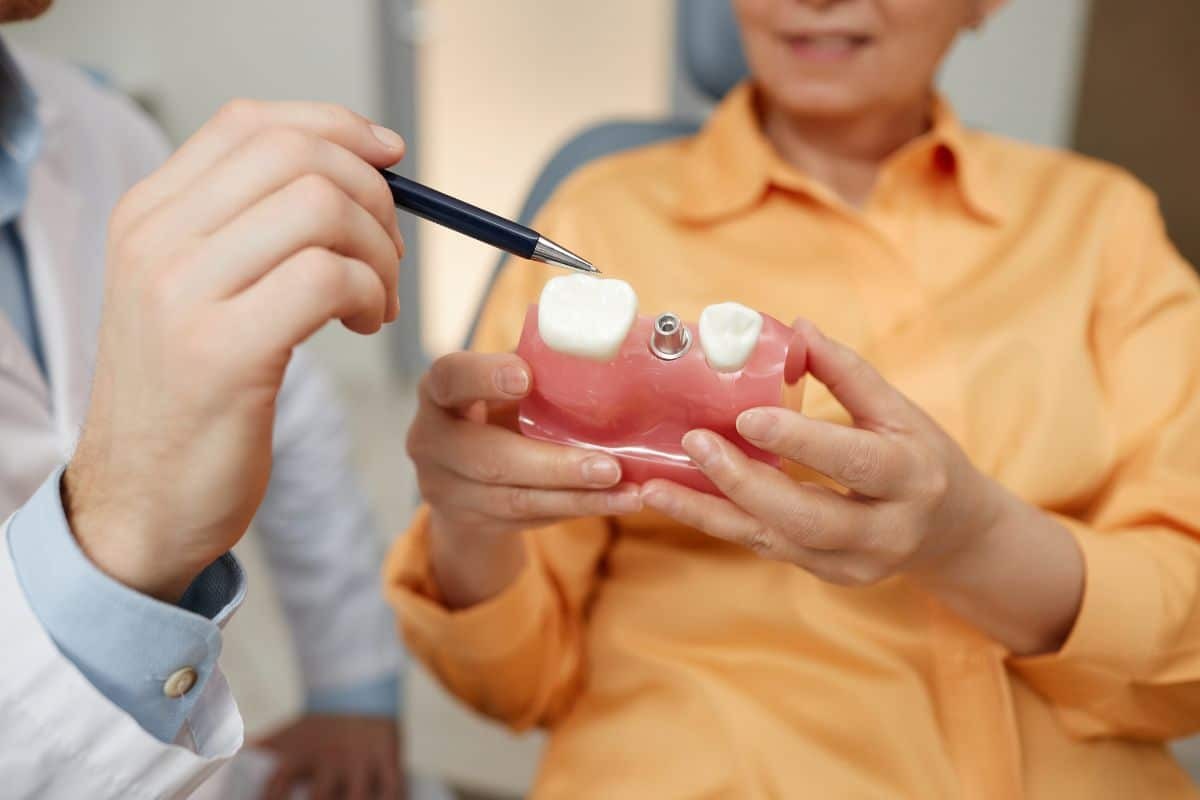
Dental implants are a popular and effective solution for replacing missing teeth, offering a natural appearance and long-lasting function. However, if you have gum disease, you might wonder whether you are a suitable candidate for implants. Since gum health plays a crucial role in the success of dental implants, it’s essential to understand the relationship between periodontal disease and implant placement.
Understanding Gum Disease and Its Impact on Dental Implants
Gum disease, or periodontal disease, is a bacterial infection that affects the gums and supporting bone. It occurs in two main stages:
- Gingivitis—The early stage of gum disease, characterized by inflammation, redness, and bleeding gums. The condition is reversible at this stage with proper oral hygiene and professional treatment.
- Periodontitis—A more severe form of gum disease where the infection spreads deeper, leading to gum recession, bone loss, and eventual tooth loss. This stage requires more intensive treatment and ongoing maintenance.
Because dental implants rely on a healthy jawbone and gums for support, active gum disease can pose challenges to implant placement and long-term success.
Can You Get Dental Implants with Gum Disease?
The short answer is that while gum disease can complicate the process, it does not necessarily disqualify you from getting dental implants. However, the disease must be treated and well-managed before implant placement to ensure a stable foundation for the new teeth.
Why Is Gum Disease a Concern for Dental Implants?
- Bone Loss—Periodontitis can lead to jawbone deterioration, which is essential for supporting implants.
- Increased Risk of Implant Failure—Gum disease creates an environment where bacteria can cause peri-implantitis, an infection around the implant, leading to failure.
- Poor Healing—Unhealthy gums may not heal properly after implant surgery, increasing the risk of complications.
Steps to Take Before Getting Dental Implants
If you have gum disease but are interested in dental implants, your dentist or periodontist will likely recommend the following steps:
1. Treating Gum Disease
Effective treatment is essential before implant placement. This may include:
- Scaling and Root Planing—A deep cleaning procedure to remove plaque and tartar beneath the gum line.
- Antibiotic Therapy – Medications to reduce bacterial infection.
- Surgical Treatments—In severe cases, gum grafts or pocket reduction surgery may be necessary to restore gum health.
2. Bone Grafting (If Needed)
If periodontitis has caused significant bone loss, a bone graft may be necessary to rebuild the jawbone before implant placement. This procedure helps ensure the implant has a strong foundation.
3. Maintaining Optimal Oral Hygiene
Once gum disease is under control, maintaining good oral hygiene is crucial to prevent recurrence. Regular brushing, flossing, and dental visits will help keep your gums healthy.
Alternative Solutions for Patients with Severe Gum Disease
For patients with advanced periodontal disease who may not be ideal candidates for traditional implants, there are alternative options:
- All-on-4 Implants—A solution that uses four strategically placed implants, often bypassing areas of severe bone loss.
- Zygomatic Implants—Longer implants anchored into the cheekbone instead of the jawbone, suitable for those with severe bone loss.
Having gum disease does not automatically mean you cannot get dental implants. With proper treatment and preparation, many patients with a history of gum disease can successfully receive and maintain implants. Consulting a periodontist or implant specialist will help determine the best approach for your specific situation. Prioritizing gum health before and after implant placement is essential to ensure long-term success and a healthy smile.