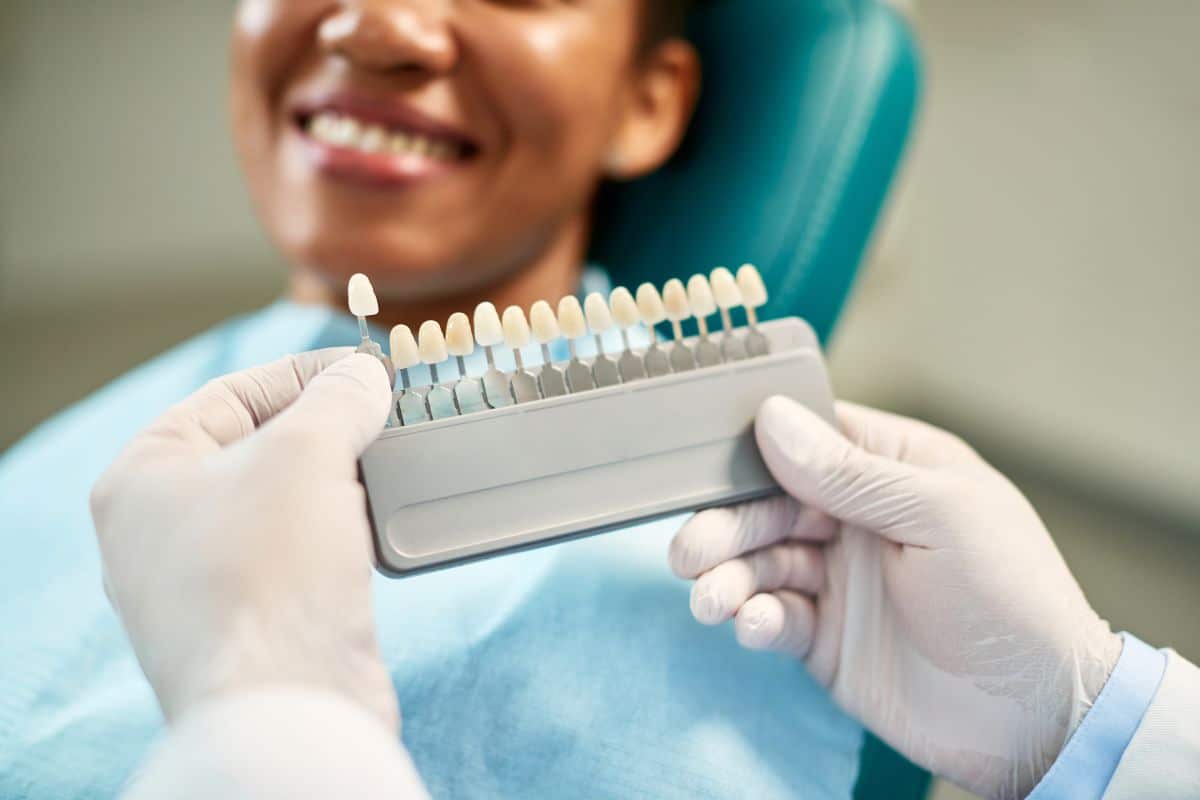
Dental veneers are generally not a primary treatment for temporomandibular joint (TMJ) disorders, but they can be a viable cosmetic option once underlying jaw joint dynamics are stabilized. If worn-down or misaligned teeth contribute to an altered bite height, custom restorative veneers can help rebuild proper occlusal structure alongside therapeutic care.
However, placing veneers without first addressing active TMJ dysfunction or sleep bruxism risks porcelain fracture and accelerated jaw strain.
Understanding TMJ Dysfunction and Its Impact on Restorative Dentistry
The temporomandibular joint functions as a complex sliding hinge connecting your jawbone to your skull. When this joint, its surrounding musculature, or the central disc experiences inflammation, misalignment, or fatigue, it results in Temporomandibular Disorder (TMD). According to data from the National Institute of Dental and Craniofacial Research (NIDCR), TMJ disorders affect between 5% and 12% of the adult population, with higher prevalence among adults experiencing chronic joint stress or severe tooth wear.
When individuals suffer from TMD, the forces exerted during chewing, speaking, and nightly grinding change dramatically. The jaw muscles compensate for structural imbalance, generating forces up to several hundred pounds of pressure per square inch. Understanding how these mechanical forces interact with dental restorations is critical before undergoing any cosmetic enhancement.
At Sunridge Dental Care, Dr. Amy Okun, Dr. Cynthia Colson, and Dr. William F. Gioia offer comprehensive clinical evaluations to assess both facial aesthetics and complex bite mechanics. If you want to refine your smile while safeguarding your jaw health, visit our dental office for a comprehensive consultation.
The Intersection of Occlusion, Bite Alignment, and Porcelain Veneers
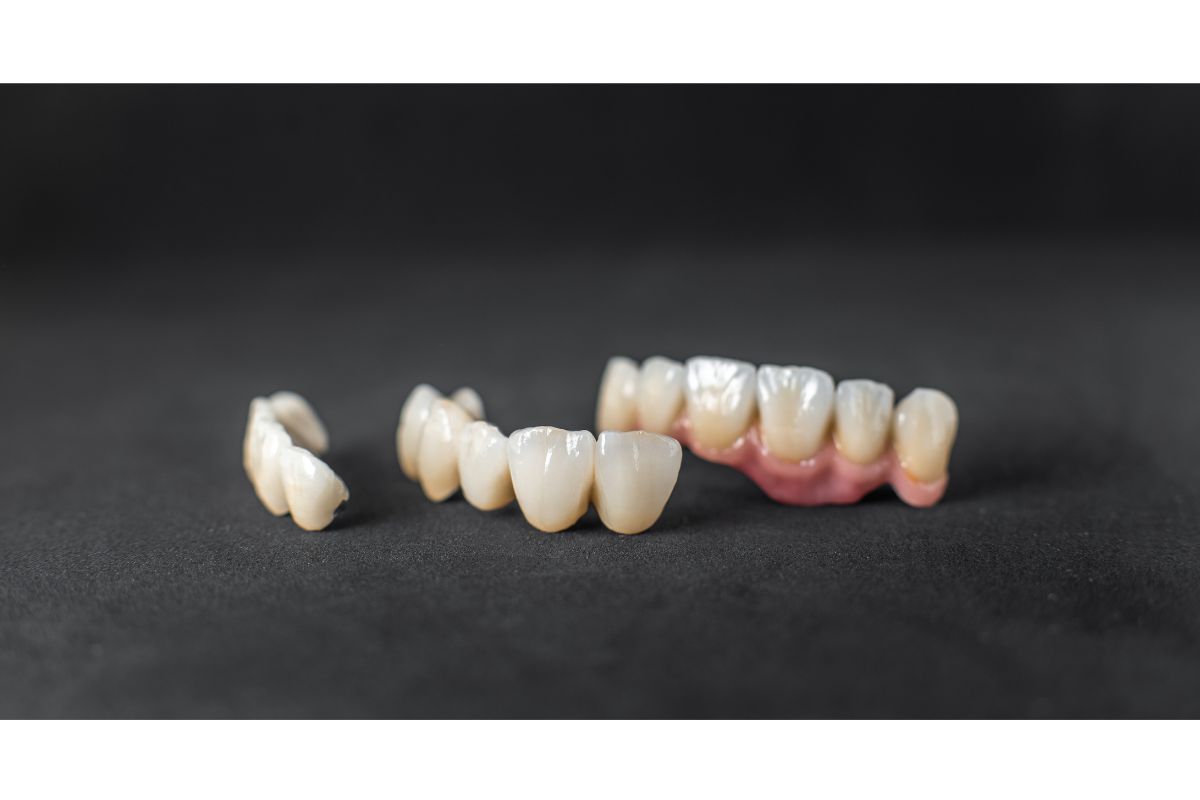
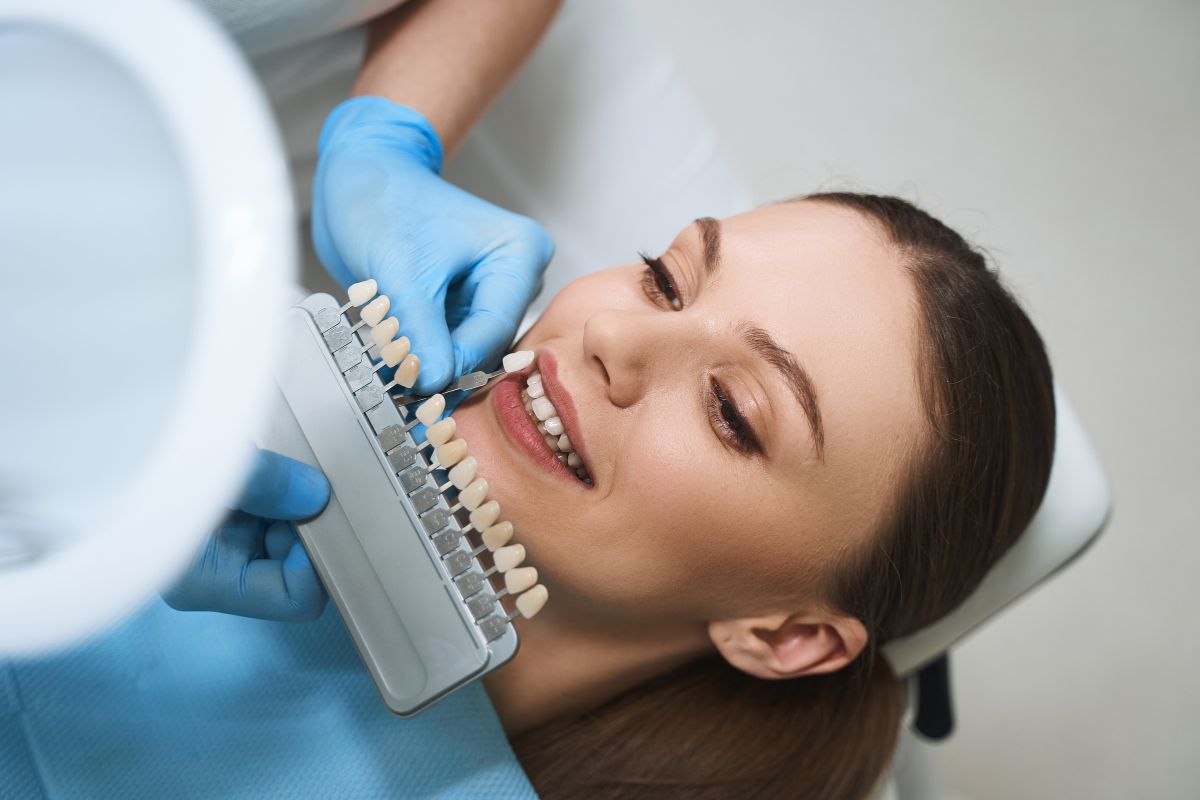
Porcelain veneers modify the exterior surfaces and biting edges of teeth to enhance shape, color, and symmetry. While veneers cannot directly repair damaged jaw cartilage or inflamed joint capsules, they can influence your bite, the functional relationship between upper and lower teeth. When carefully engineered, veneers help restore lost vertical dimension caused by severe enamel erosion.
When severe clenching or erosion flattens the enamel, the bite loses vertical height, forcing the lower jaw backward into the joint socket. This unnatural compression irritates surrounding nerves and soft tissues. In targeted cases, strategic placement of veneers can assist in re-establishing balanced contacts across the arch. However, treating veneers purely as a standalone cure for joint inflammation misinterprets the root biological cause of TMD.
Why Pre-Treatment Phase Care Is Essential for TMJ Patients
Placing porcelain restorations on an unstable, hyperactive jaw often leads to premature veneer debonding, chipping, or severe joint discomfort. Establishing structural stabilization through therapeutic splints or night guards prior to cosmetic procedures is essential. This sequence protects high-quality restorations and ensures long-term comfort.
Before placing dental veneers in Sun City West, we first stabilize the joint biomechanics.:
- Occlusal Assessment: Evaluating contact points using digital bite mapping to prevent heavy contact areas.
- Muscle Deprogramming: Utilizing temporary splint therapy to relax fatigued masseter and temporal muscles.
- Airway & Habit Screening: Screening for nocturnal clenching or breathing interruptions that exacerbate daytime jaw soreness.
Many active adults enjoying golf rounds at Grandview Golf Course or picking up a game at the R.H. Johnson Recreation Center unknowingly hold tension in their jaw muscles. Sun City West residents who frequent local spots like Sunset Bistro or enjoy quick bites around town often report increased jaw fatigue after prolonged chewing of firm textures. These subtle lifestyle clues signal that jaw muscles need balancing before cosmetic work begins.
Comparing Restorative Solutions for TMJ-Impacted Teeth
When teeth show significant structural breakdown from chronic grinding, selecting the proper restorative approach preserves both aesthetic appearance and joint harmony.
| Restorative Option | Primary Function for TMJ Patients | Structural Requirements | Long-Term Durability |
| Porcelain Veneers | Corrects front-tooth wear, minor misalignments, and shape loss | Requires healthy remaining enamel surface | High (10–15+ years with custom night guard protection) |
| Composite Veneers | Addresses localized chips and immediate surface defects | Minimal prep; applied directly in a single visit | Moderate (5–7 years; susceptible to heavy grinding wear) |
| Dental Crowns | Full 360-degree coverage for severely cracked or eroded molars | Requires reshaping of underlying tooth structure | Exceptional (15+ years under heavy bite pressure) |
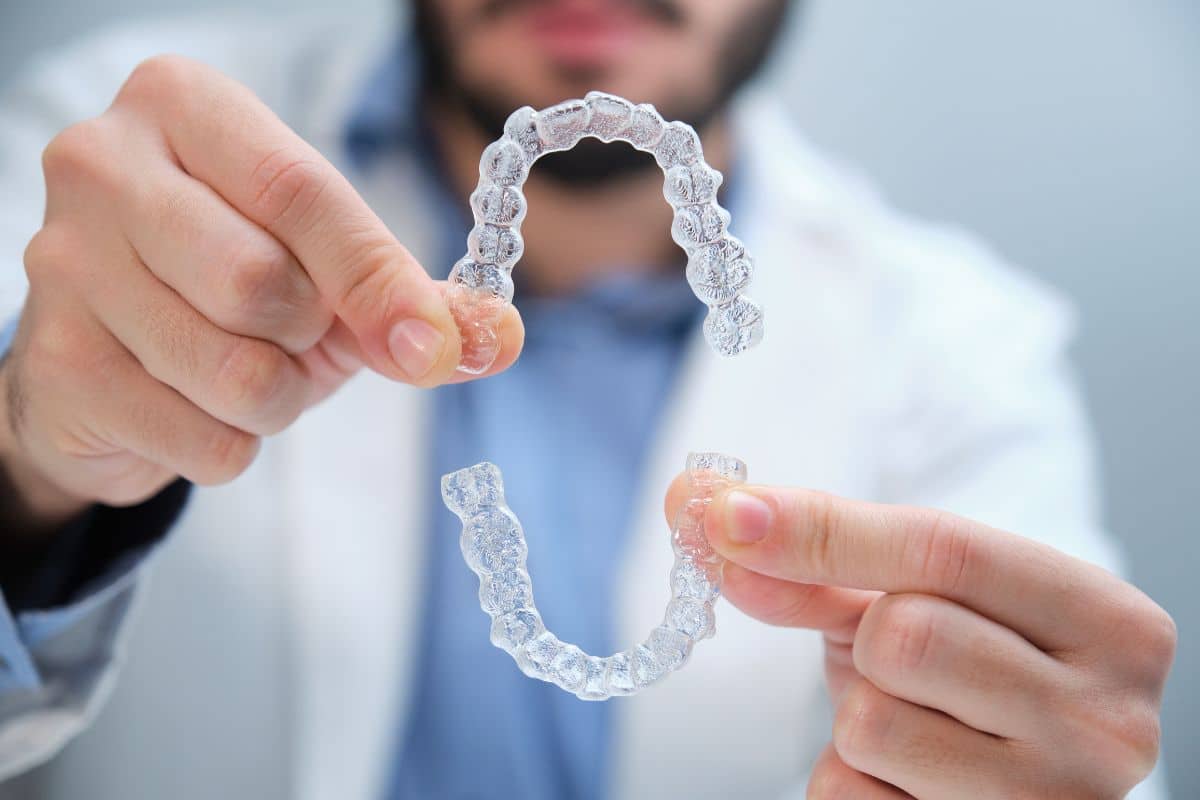
| Invisalign® Alignment | Realigns misaligned arches to relieve structural bite strain | Preserves natural tooth structure completely | Permanent with dedicated retention care |
Note: Custom treatment recommendations vary based on individual joint health, muscle activity, and existing enamel structure.
How Night Guards Protect Your Investment
A custom-crafted nocturnal splint or night guard distributes biting forces evenly across the dental arch, protecting porcelain restorations from excessive wear. It acts as a protective barrier that absorbs grinding pressure and reduces strain on the temporomandibular joint. Wearing a night guard nightly is a non-negotiable step for TMJ patients with veneers.
High-grade lab-fabricated porcelain closely mimics natural tooth enamel in density, light reflection, and strength. However, unmanaged nocturnal bruxism generates lateral shearing forces that can chip natural teeth and porcelain alike. Combining high-precision dental facades with custom-molded night guards ensures your aesthetic investment remains intact while protecting your jaw joints during sleep.
Frequently Asked Questions (FAQs)
Can dental veneers directly fix my TMJ disorder?
No, veneers primarily address aesthetic and structural enamel issues. While they help rebuild proper bite height, underlying joint inflammation requires targeted splint therapy and clinical bite balancing.
Will grinding my teeth ruin porcelain veneers?
Unprotected nightly teeth grinding exerts extreme shearing forces that can chip porcelain. Wearing a custom-fitted night guard nightly shields your restorations and relieves jaw joint pressure.
How do I know if I have a TMJ disorder before getting veneers?
Common indicators include jaw popping, clicking, frequent morning headaches, restricted mouth opening, and flattened tooth edges. A thorough clinical bite assessment confirms joint health before cosmetic treatment.
Are porcelain or composite veneers better for TMJ patients?
Porcelain veneers offer superior compressive strength and long-term durability against wear. However, severe bruxism may require full-coverage dental crowns instead of partial porcelain shells for optimal stability.
Can misaligned veneers make TMJ pain worse?
Yes, restorations that create high contact points disrupt normal bite guidance, forcing jaw muscles to compensate. Precise bite adjustment during placement is critical for maintaining joint comfort.
How long do dental veneers last if I have TMJ issues?
With proper joint stabilization and consistent night guard use, veneers routinely last 10 to 15 years or longer. Failing to manage nightly clenching significantly reduces their lifespan.
What should I do first if I want veneers but suspect TMJ issues?
Schedule a comprehensive clinical evaluation to assess your temporomandibular joints, jaw muscles, and bite mechanics. Stabilizing joint health first ensures a predictable, long-lasting cosmetic result.
Transform Your Smile with Total Confidence
Choosing to enhance your smile is an exciting decision, but protecting your jaw comfort and long-term health is equally important. When you choose high-quality dental veneers in Sun City West, you gain a durable, natural-looking transformation tailored carefully to your unique facial structure and bite dynamics.
At Sunridge Dental Care, our dedicated team takes the time to assess every detail of your oral health, ensuring your new smile is as comfortable as it is attractive. If you are ready to explore your options in a relaxed, patient-centered setting, book an appointment with our proficient team today to begin your personalized smile journey.