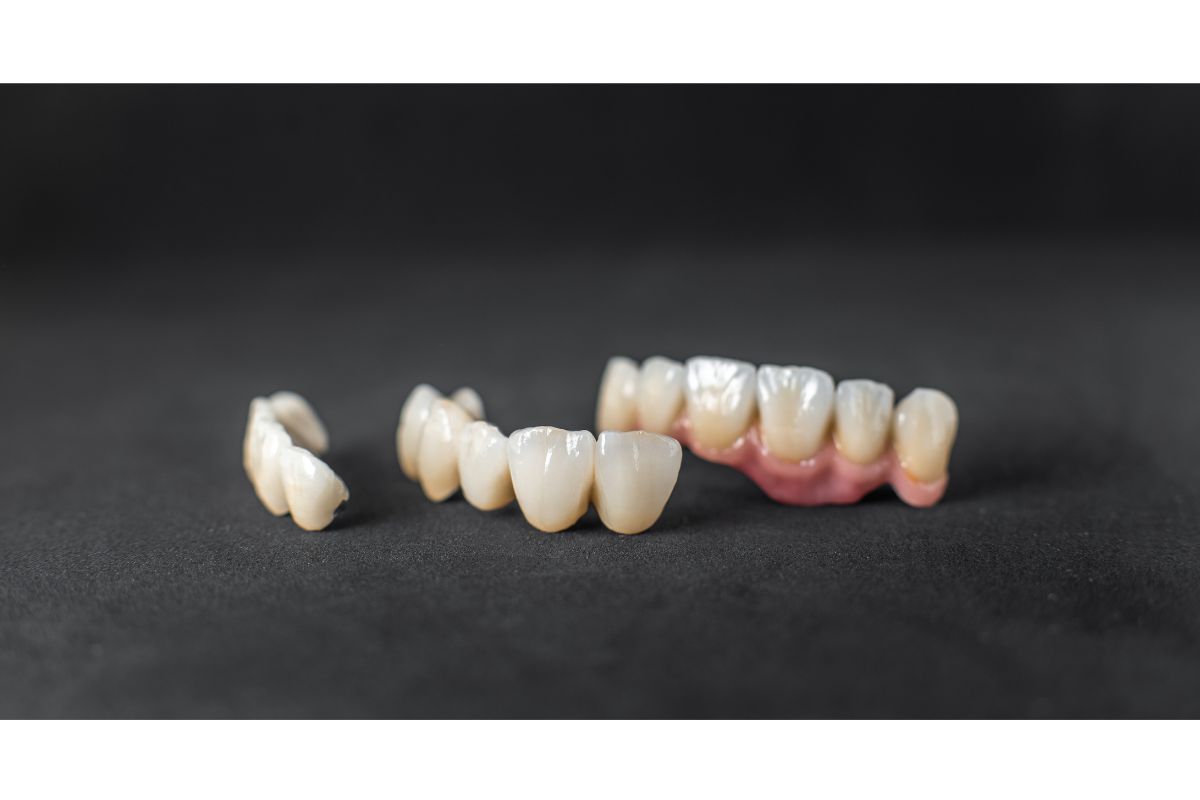
A dental crown can fall out because of decay beneath the crown, worn dental cement, tooth fractures, tooth grinding, or years of normal wear. While a lost cap is not always a dental emergency, prompt treatment is important because the exposed tooth can become sensitive, damaged, or infected.
Many people are surprised when these dental caps suddenly come loose while eating dinner, brushing their teeth, or enjoying a favorite local meal. The restorations may have been in place for years without causing any problems. However, this is often a sign that something has changed underneath or around the restoration.
At Sunridge Dental Care, our team regularly helps patients protect and restore teeth affected by damaged or loose crowns. According to Dr. Amy Okun, crowns are designed to withstand years of daily chewing forces, but even durable restorations can loosen if decay develops underneath, if the supporting tooth fractures, or if excessive bite pressure weakens the bond holding the crown in place. If you have concerns about a loose or missing crown, visit our dental office for a professional evaluation and personalized treatment recommendations.
Crown Fell Out? Here’s What You Need to Know
If your tooth crown falls out:
- Save it if possible
- Rinse it gently with water
- Avoid chewing on the affected side
- Keep the exposed tooth clean
- Contact your dentist promptly
A missing crown leaves the underlying tooth vulnerable to sensitivity, fractures, and decay. Early treatment often provides more options and helps prevent additional complications.
How Common Is Treatment Failure?
Dental crowns have an excellent long-term success rate, but no dental restoration lasts forever. Changes in the tooth, surrounding tissues, or bite can affect crown stability over time.
According to the National Institute of Dental and Craniofacial Research (NIDCR), untreated tooth decay remains one of the most common chronic conditions affecting adults in the United States. When decay develops beneath a crown, it can weaken the supporting tooth structure and increase the risk of failure.
Many local residents stay active through community events at the R.H. Johnson Recreation Center or enjoy meals at longtime favorites such as Anny’s Restaurant. During everyday activities, most people do not realize how much force their teeth generate when chewing. Over time, those repeated forces can affect older dental restorations.
Why Do Crowns Fall Out?
Most crowns fall out because the bond between the cap and tooth weakens or because the tooth supporting the crown changes. Several factors can contribute to this problem.
Decay Under the Crown
New decay can develop along the edges of a crown.
Bacteria may enter small gaps between the crown and tooth, causing the remaining tooth structure to weaken. As the tooth deteriorates, the restoration loses its support and may eventually detach.
Cement Breakdown
Dental cement is durable, but it can gradually wear down over many years.
Chewing, temperature changes, and daily use can weaken the cement that holds it in place.
Tooth Fractures
The tooth underneath can crack because of trauma, heavy biting forces, or teeth grinding.
When the supporting tooth structure breaks, it may loosen or fall out.
Teeth Grinding and Clenching
Grinding places tremendous pressure on both crowns and natural teeth.
Over time, this repeated force can weaken the bond between the crown and tooth.
Sticky or Hard Foods
Foods such as caramel, taffy, chewing ice, and hard candies can place additional stress on crowns.
Although crowns are designed for normal chewing, excessive force can increase the risk of loosening.
Poor Crown Fit
In some situations, a crown may not fit as precisely as intended.
Even a small discrepancy can affect long-term retention and stability.
How Does a Dentist Determine Why a Crown Fell Out?
A dentist examines both the crown and the underlying tooth to identify the cause of failure. This step is important because treatment depends on the cause of its loosening.
During your appointment, your dentist may:
- Examine for wear or damage
- Evaluate the underlying tooth
- Check for decay
- Assess your bite alignment
- Take digital X-rays
- Evaluate the surrounding gums
A complete evaluation helps determine whether the existing one can be reused or whether replacement is necessary.
What Are the Risks of Leaving a Missing Crown Untreated?
An exposed tooth is more vulnerable to damage once its protective cap is gone. Delaying treatment increases the likelihood of complications.
Increased Sensitivity
Without the crown, the tooth may become sensitive to hot, cold, sweet, or acidic foods.
Tooth Fracture
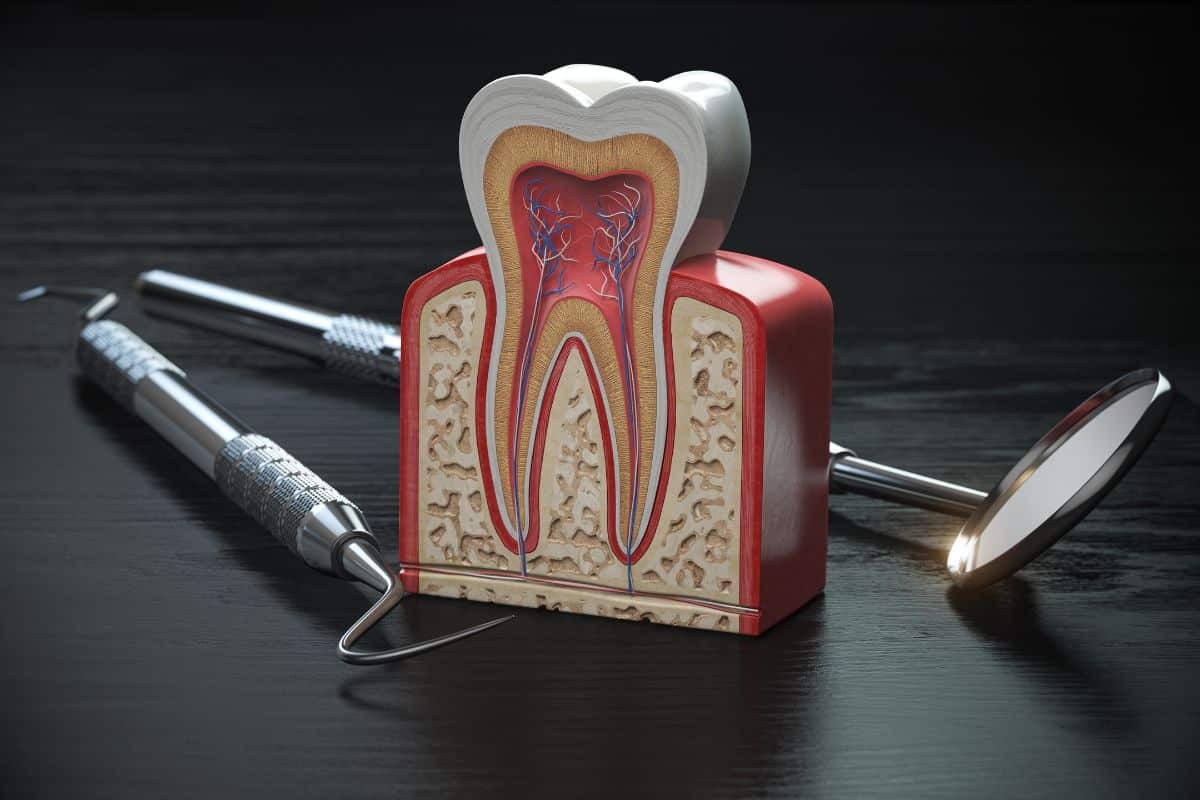
Many crowned teeth have already been weakened by previous decay, large fillings, or root canal treatment.
Without protection, they are more likely to crack.
New Decay
Bacteria can accumulate on exposed tooth surfaces, increasing the risk of cavities.
Tooth Movement
Neighboring teeth may gradually shift toward the open space, affecting your bite.
Infection
If bacteria reach deeper layers of the tooth, inflammation or infection may develop.
What Should You Do If Your Crown Falls Out?
The best approach is to protect the crown and the tooth and schedule a dental visit as soon as possible. Acting quickly improves the likelihood of preserving the tooth.
Step 1: Retrieve the Crown
Find the crown and keep it in a safe place.
Step 2: Rinse It Carefully
Use lukewarm water to remove debris.
Step 3: Store It Safely
Place the crown in a clean container and bring it to your appointment.
Step 4: Protect the Tooth
Avoid chewing on the affected side and choose softer foods.
Step 5: Schedule a Dental Evaluation
A dentist must determine whether the crown can be reattached or replaced.
How to Reduce the Risk of Losing a Crown
Preventive care plays a major role in extending the life of these dental caps. Simple daily habits often provide significant long-term benefits.
Maintain Excellent Oral Hygiene
Brush and floss consistently to help protect the tooth underneath the crown.
Wear a Night Guard if Recommended
Patients who grind their teeth may benefit from added protection.
Avoid Using Teeth as Tools
Opening packages or biting hard objects can damage crowns.
Attend Routine Dental Visits
Regular evaluations allow small problems to be identified before they become larger concerns.
Be Mindful of Hard and Sticky Foods
Moderation helps reduce unnecessary stress on crowns.
Many patients seeking dental crowns in Sun City West discover that routine preventive visits help identify minor issues before a crown becomes loose or fails completely.
When Should You Seek Immediate Care?
Some situations require prompt dental attention because the tooth may be at greater risk of damage or infection.
Contact your dentist if you experience:
- Severe pain
- Swelling
- Persistent bleeding
- A fractured crown
- Difficulty chewing
- Signs of infection
- A cracked tooth
Why Professional Evaluation Matters
A crown rarely falls out without an underlying reason. The cause may involve decay, bite changes, fractures, or wear that cannot be seen without a professional examination.
Patients considering replacement dental crowns in Sun City West often learn that early intervention preserves healthy tooth structure and simplifies treatment. Prompt evaluation allows potential problems to be addressed before they progress.
Don’t Ignore a Lost Crown
A lost crown may seem like a minor inconvenience, but it can quickly become a larger dental problem if left untreated. The sooner the cause is identified, the easier it is to protect the tooth underneath and prevent additional complications.
At Sunridge Dental Care, Dr. Cynthia Colson and Dr. William F. Gioia work alongside our team to evaluate loose, damaged, and missing crowns. If your crown has fallen out or feels unstable, visit our dental office for a comprehensive evaluation. We will determine whether the crown can be reattached or whether replacement is the most appropriate option.
Book an appointment today and schedule a personalized diagnostic evaluation to protect your smile and restore your confidence.
Frequently Asked Questions
1. Can I eat after my crown falls out?
Soft foods are generally safest until your appointment. Avoid chewing directly on the exposed tooth to reduce the risk of fractures and sensitivity.
2. Is a fallen crown considered an emergency?
Not always. However, prompt treatment helps prevent additional damage, discomfort, and possible infection of the exposed tooth.
3. Can I glue my crown back in place?
No. Household adhesives are not designed for oral use and may damage the crown or tooth structure.
4. Why would a crown fall out after many years?
Dental cement can wear down over time. Decay, fractures, grinding, and changes in the supporting tooth can also contribute.
5. Can a crown be reused?
Yes, in many situations. If the crown and tooth remain healthy, your dentist may be able to securely re-cement them.
6. How long can I wait before seeing a dentist?
Schedule an appointment as soon as possible. Delaying treatment increases the risk of additional complications.
7. Does teeth grinding affect crowns?
Yes. Chronic grinding and clenching place significant pressure on crowns and may increase the risk of loosening over time.