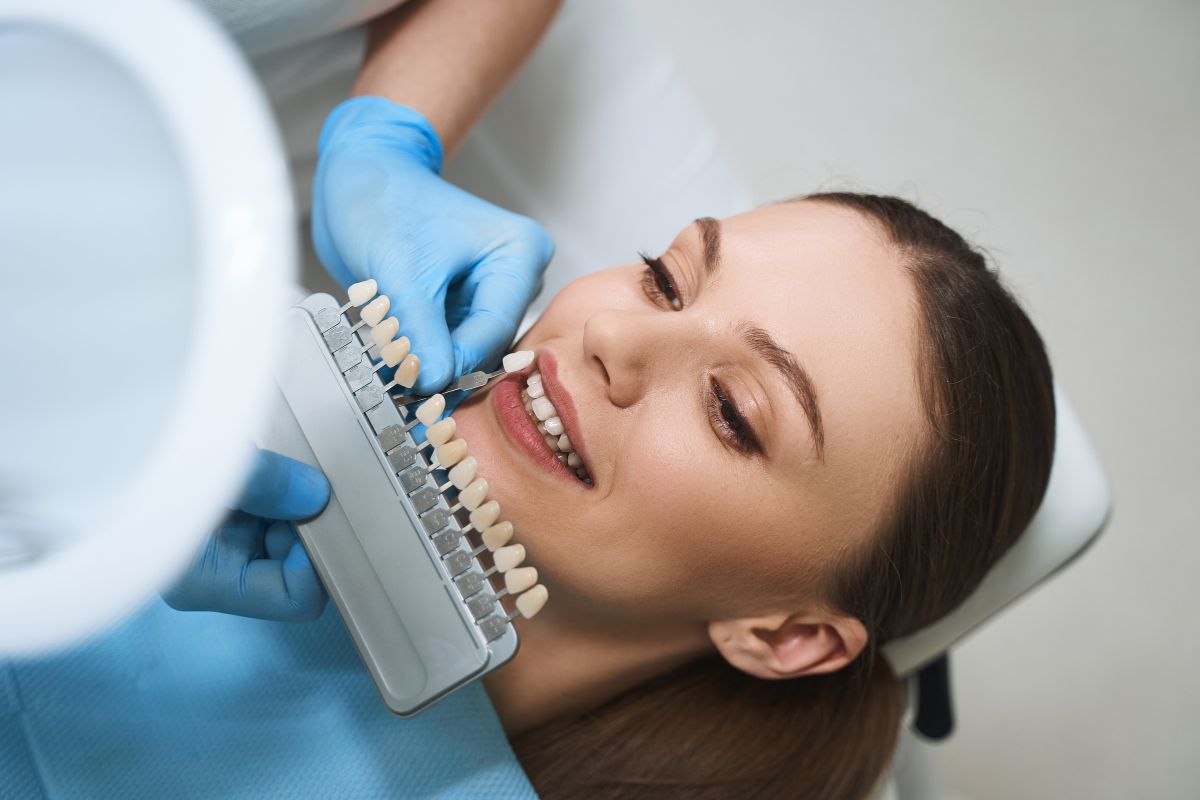
Porcelain veneers can transform the appearance of stained, chipped, worn, or uneven teeth. They are designed to be durable, stain-resistant, and natural-looking. However, their longevity depends heavily on how well they are maintained after placement.
Many people assume these shells are permanent and indestructible. While they are strong, they still require proper care. Certain everyday habits can place unnecessary stress, increasing the risk of chips, cracks, bonding issues, or premature replacement.
At Sunridge Dental Care, our team regularly helps patients protect their investment in their smiles. Dr. Amy Okun, Dr. Cynthia Colson, and Dr. William F. Gioia educate patients on the habits that help these oral appliances last longer and maintain their appearance. If you are considering this treatment or already have them, we encourage you to visit our dental office for personalized guidance and long-term maintenance recommendations.
According to the Centers for Disease Control and Prevention, nearly half of adults aged 30 and older show signs of gum disease. Healthy gums play an important role in supporting the facades and maintaining overall oral health. Understanding how daily habits affect your restorations can help preserve your smile for years.
Common Mistakes that Impact the Condition of Your Veneers
Here are some of the general causes that affect the lifespan of these oral appliances:
Using Your Teeth as Tools
Using veneers to open packages, remove bottle caps, tear tape, or bite non-food items creates concentrated pressure that they were never designed to withstand.
Although porcelain is durable, excessive force can cause:
- Chipping
- Cracking
- Edge damage
- Bonding failure
Keep scissors or proper tools nearby rather than relying on your teeth.
Ignoring Teeth Grinding and Clenching
Grinding and clenching place repeated pressure on veneers, especially while sleeping.
Many people are unaware that they grind their teeth until symptoms develop, such as:
- Jaw soreness
- Morning headaches
- Tooth sensitivity
- Worn restoration edges
If you have a history of bruxism, your dentist may recommend a custom night guard to protect both natural teeth and veneers.
Skipping Routine Dental Visits
Regular dental visits help identify small issues before they become significant problems.
Professional examinations allow your dental team to monitor:
- Veneer margins
- Gum health
- Bite alignment
- Bonding integrity
Patients who postpone routine care may not notice minor damage until repairs become more extensive.
Can Poor Oral Hygiene Affect Veneers
Absolutely. These cosmetic coverings themselves cannot develop cavities, but the natural teeth underneath them still can.
When plaque accumulates around veneer edges, it increases the risk of:
- Tooth decay
- Gum inflammation
- Recession around restorations
- Bonding complications
Maintaining healthy gums is essential for preserving both the appearance and function.
Daily Care Recommendations
- Brush twice daily using a non-abrasive toothpaste
- Floss every day
- Use a soft-bristled toothbrush
- Follow your dentist’s cleaning recommendations
Consuming Excessively Hard Foods
Hard foods can place unnecessary stress
Examples include:
- Ice
- Hard candies
- Unpopped popcorn kernels
- Certain nuts
- Hard pretzels
Occasional exposure may not cause immediate damage, but repeated force can weaken veneer edges over time.
Many residents enjoy local favorites at eateries throughout the community. When enjoying crunchy snacks or hard foods, chewing carefully can help reduce unnecessary pressure on your restorations.
Choosing Abrasive Dental Products
Not all oral care products are veneer-friendly. Whitening toothpastes and highly abrasive formulas can gradually dull the polished surface.
Look for products specifically recommended by your dental professional. Maintaining the smooth finish preserves the natural appearance that makes them so attractive.
Why Is Bite Alignment Important for Veneer Longevity?
An uneven bite can create excessive force during chewing.
When bite forces are not distributed properly, certain shells may experience:
- Premature wear
- Chipping
- Loosening
- Increased stress fractures
Patients receiving dental veneers in Sun City West should have their bite evaluated periodically to ensure that restorations continue to function properly.
Delaying Repairs After Minor Damage
Even a small chip or rough edge should be evaluated promptly.
Minor damage often becomes more significant when left untreated. Small defects may collect bacteria, affect chewing patterns, or place additional stress on surrounding teeth.
Contact your dental team if you notice:
- Rough edges
- New sensitivity
- Visible chips
- Changes in fit
- Gum irritation
Smoking and Tobacco Use
Smoking affects more than natural teeth.
Tobacco use can contribute to:
- Gum disease
- Gum recession
- Staining of surrounding teeth
- Reduced long-term oral health
When gums recede, veneer margins may become more visible, affecting the overall appearance of your smile.
Comparing Veneer-Friendly Habits vs. Veneer-Damaging Habits
| Veneer-Friendly Habits | Veneer-Damaging Habits |
|---|---|
| Brushing with soft bristles | Using abrasive toothpaste |
| Wearing a night guard | Ignoring teeth grinding |
| Routine dental visits | Skipping checkups |
| Flossing daily | Poor oral hygiene |
| Using proper tools | Opening packages with teeth |
| Eating carefully | Chewing ice frequently |
Protecting Your Investment in a Beautiful Smile
The lifespan depends greatly on the choices you make every day. Patients who maintain excellent oral hygiene, address grinding habits, attend routine examinations, and avoid unnecessary stress often enjoy long-lasting results. If you are considering dental veneers in Sun City West, understanding these common mistakes can help you preserve your smile and maximize the longevity of your treatment.
Every smile is unique, and the most effective way to protect your tooth coverings is through ongoing professional guidance tailored to your oral health needs. A professional examination can identify potential risks before they affect. Whether you are considering treatment or want to protect existing restorations, the team at Sunridge Dental Care is here to help.
Visit our dental office to learn more about maintaining your smile. Schedule a personalized veneer evaluation with Sunridge Dental Care and discover how proper care can help keep your smile looking natural, healthy, and beautiful for years to come.
Frequently Asked Questions
1. How long do veneers typically last?
With proper care, veneers can remain functional and attractive for many years. Consistent oral hygiene and routine dental visits play a major role in their longevity.
2. Can I eat normally after getting veneers?
Most foods can be enjoyed comfortably after treatment. However, repeatedly chewing hard objects or ice can increase the risk of damage.
3. Do veneers require special toothpaste?
Non-abrasive toothpaste is generally recommended. It helps preserve the polished surface without creating unnecessary wear over time.
4. Can teeth grinding damage veneers?
Yes. Grinding places excessive pressure on veneers and natural teeth. A custom night guard may help reduce that stress while sleeping.
5. Will veneers stain like natural teeth?
Porcelain veneers resist staining better than natural enamel. However, surrounding natural teeth can still discolor, affecting smile uniformity.
6. What should I do if a veneer chips?
Contact your dental office as soon as possible. Early evaluation may prevent additional damage and help preserve the restoration.
7. Are veneers right for everyone?
Not always. A comprehensive evaluation helps determine whether veneers are the most appropriate option based on your oral health and cosmetic goals.