A damaged tooth rarely fixes itself. What starts as a small cavity, a chipped edge, or a worn surface can gradually become a larger problem that affects comfort, function, and appearance. Many people wonder whether a filling will solve the issue or whether a crown offers better protection. The answer depends on how much of the tooth remains healthy and how much support it needs moving forward. Restoring a tooth early often helps prevent more extensive treatment later.
If you have been told that your tooth needs treatment, understanding the difference between these options can help you make an informed decision. After evaluating the condition of your tooth, your dental team can recommend the solution that best protects your long-term oral health.
At Sunridge Dental Care, patients receive personalized treatment plans designed to restore strength, function, and confidence. For many situations, dental crowns in Sun City West provide the protection a weakened tooth needs to remain healthy for years.
Why Choosing the Right Restoration Matters?
Every restoration serves a purpose, but selecting the right one can influence how well a tooth performs in the future.
Preserving Natural Tooth Structure
Modern dentistry focuses on preserving as much healthy tooth structure as possible. A restoration should strengthen the tooth while maintaining its natural function. When damage remains small, a conservative approach may work well. More extensive damage often requires additional support.
Preventing Future Complications
A weakened tooth faces a greater risk of cracking, breaking, or developing additional decay. Choosing a restoration that matches the condition of the tooth helps reduce future problems and protects your investment in oral health.
Supporting Everyday Comfort
Teeth play a role in nearly every meal and conversation. A properly restored tooth allows comfortable chewing, clearer speech, and greater confidence in daily activities. According to the Centers for Disease Control and Prevention, nearly 90 percent of adults have experienced tooth decay at some point in their lives. Early treatment often prevents more significant dental concerns later.
What Makes a Dental Crown Different From a Filling?
Although both restorations repair damaged teeth, they serve different purposes depending on the extent of the damage.
Fillings Repair Smaller Areas
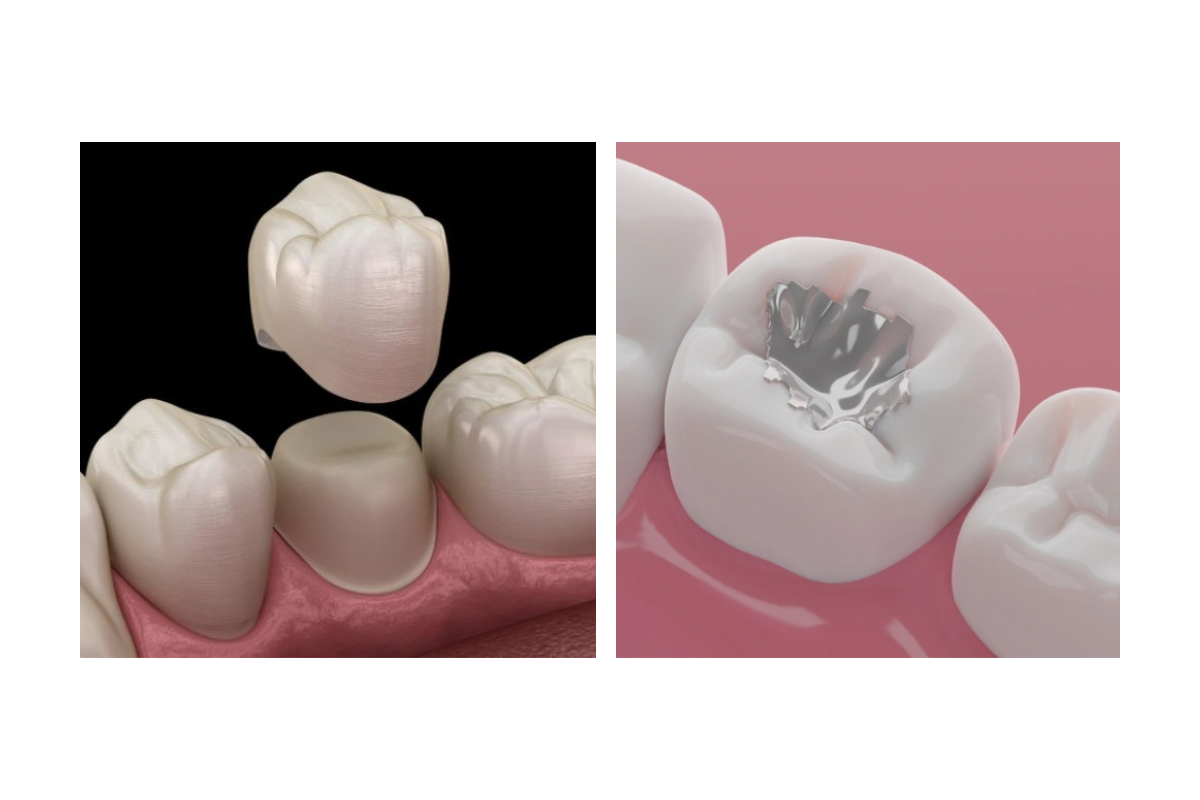
A filling restores a portion of a tooth affected by decay or minor damage. The restoration fills the affected area while preserving the remaining tooth structure. This option works best when most of the tooth remains strong and intact.
Crowns Cover and Protect the Entire Tooth
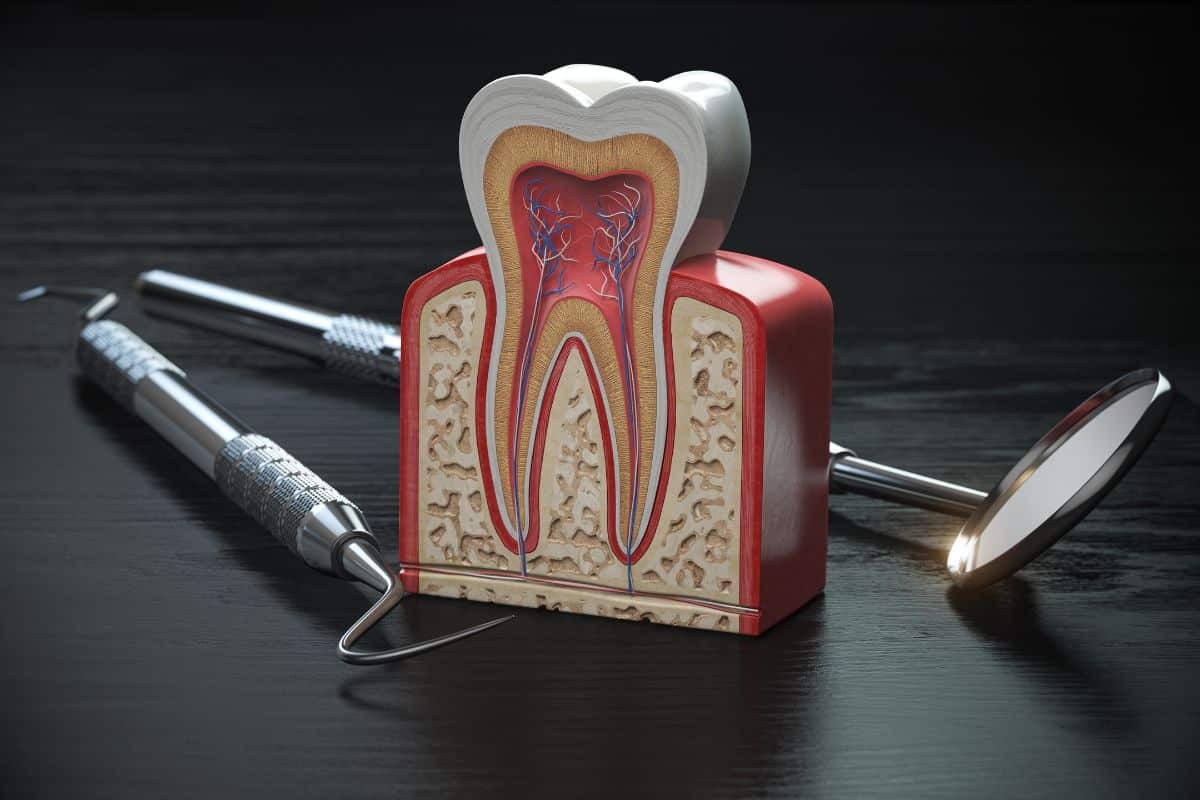
A crown acts like a protective cap that covers the visible portion of a tooth. Instead of repairing one small section, it surrounds the tooth and provides comprehensive protection. This design helps restore strength and stability to teeth that have lost significant structure.
Strength Matters for Long-Term Function
When a tooth experiences extensive wear, a large cavity, or structural weakness, a crown often provides greater durability than a filling alone. The additional coverage helps distribute biting forces more evenly across the tooth.
Signs Your Tooth May Need More Than a Filling
Certain conditions indicate that a tooth may benefit from greater reinforcement than a traditional restoration can provide.
Large Areas of Decay
When decay affects a substantial portion of the tooth, too little healthy structure may remain to support a filling effectively. A crown helps protect what remains while restoring strength.
A Cracked Tooth
Small cracks can worsen over time from normal chewing forces. Covering the tooth with a crown helps stabilize the structure and reduce the risk of additional damage.
A Tooth After Root Canal Treatment
Root canal therapy saves an infected tooth, but the tooth often becomes more vulnerable afterward. A crown typically provides protection and support after treatment, helping preserve long-term function.
Significant Wear and Tear
Years of grinding, clenching, or heavy use can gradually weaken teeth. Restoring these teeth with a crown may improve both durability and appearance.
Benefits of Dental Crowns for Long-Term Tooth Protection
When a tooth requires comprehensive support, crowns provide several advantages that help maintain oral health and daily function.
Stronger Protection
A crown covers vulnerable areas and helps shield the tooth from additional damage. This added protection often extends the life of the natural tooth.
Improved Chewing Ability
Many patients notice improved comfort when eating after treatment. A properly fitted crown helps restore normal bite function and stability.
Natural Looking Results
Modern crowns are designed to blend naturally with surrounding teeth. They restore function while maintaining a pleasing appearance.
Support for Weakened Teeth
Teeth that have experienced extensive decay, fractures, or previous treatment often benefit from additional structural support. A crown helps reinforce those weakened areas.
Long Lasting Performance
When you maintain good oral hygiene and visit the dentist regularly, crowns can offer reliable protection for many years. Taking these simple steps helps keep your smile healthy and strong.
Is a Dental Crown the Right Solution for Your Smile?
Every tooth presents unique challenges, which is why a professional evaluation remains essential before choosing treatment.
The Amount of Remaining Tooth Structure Matters
The healthier the tooth structure that remains, the more treatment options may be available. Significant loss often shifts the recommendation toward a crown for added protection.
Bite Forces Influence Treatment Decisions
Some teeth absorb greater pressure during chewing. Molars, for example, experience substantial force every day. Additional reinforcement may help these teeth perform more predictably.
Overall, Oral Health Plays a Role
Gum health, bite alignment, and existing restorations all influence treatment recommendations. A comprehensive examination helps determine the most effective approach.
Early Evaluation Helps Preserve Options
Waiting too long can allow damage to progress. Seeking care when symptoms first appear often provides more treatment choices and better outcomes. If you notice sensitivity, discomfort while chewing, visible cracks, or recurring issues with a tooth, scheduling an evaluation can help identify the cause before it worsens. A qualified dentist can assess the condition and recommend the most appropriate restoration based on your specific needs.
Protect Your Tooth Before Minor Damage Becomes a Bigger Problem
Choosing between a filling and a crown depends on the condition of the tooth, the amount of remaining structure, and the level of protection needed. While fillings work well for smaller areas of damage, crowns often provide greater strength and stability when a tooth has become weakened or compromised.
If you have concerns about a damaged tooth, do not wait for symptoms to worsen and try dental crowns in Sun City West. Our team at Sunridge Dental Care can evaluate your oral health and offer the right solution for restoring comfort, function, and confidence. Schedule a consultation today and take the next step toward protecting your smile for years to come.
Frequently Asked Questions
1. How long does a crown appointment usually take?
Most treatment plans require an initial preparation visit and a second placement appointment. The exact timeline depends on the condition of the tooth and the type of restoration selected. Your dental team will explain each step before treatment begins.
2. Can a damaged tooth heal without treatment?
Unlike many other parts of the body, teeth cannot regenerate lost structure. Once decay, cracks, or damage occur, professional treatment is usually necessary to prevent the condition from worsening and affecting surrounding teeth.
3. Will a crown feel different from a natural tooth?
Most patients adjust quickly after placement. A properly fitted restoration should feel comfortable and function naturally during chewing and speaking. Minor sensitivity may occur initially, but it typically improves as the tooth adapts.
4. What happens if a cracked tooth is left untreated?
Small cracks can expand over time due to everyday biting forces. As the damage progresses, the tooth may become more difficult to restore. Early intervention often improves the chances of preserving natural tooth structure.
5. How can someone extend the lifespan of a restoration?
Consistent brushing, flossing, routine examinations, and avoiding habits such as chewing ice help maintain restorations. Good oral hygiene supports both the restoration and the surrounding natural tooth structure.
6. Are routine examinations important if there is no pain?
Yes. Many dental problems develop without noticeable symptoms. Regular visits allow dental professionals to identify concerns early, often before discomfort appears or more extensive treatment becomes necessary.