If you’ve ever felt a sharp twinge when sipping cold water or brushing your teeth after a dental cleaning, you’re not alone. Tooth sensitivity after teeth cleaning is a common experience—and in most cases, it’s temporary and completely normal.
Still, understanding why it happens and how to manage it can help you feel more comfortable and confident about maintaining your oral health. At Sunridge Dental Care, we often hear this concern from patients and are here to guide you through it.
Is Tooth Sensitivity After Cleaning Normal?
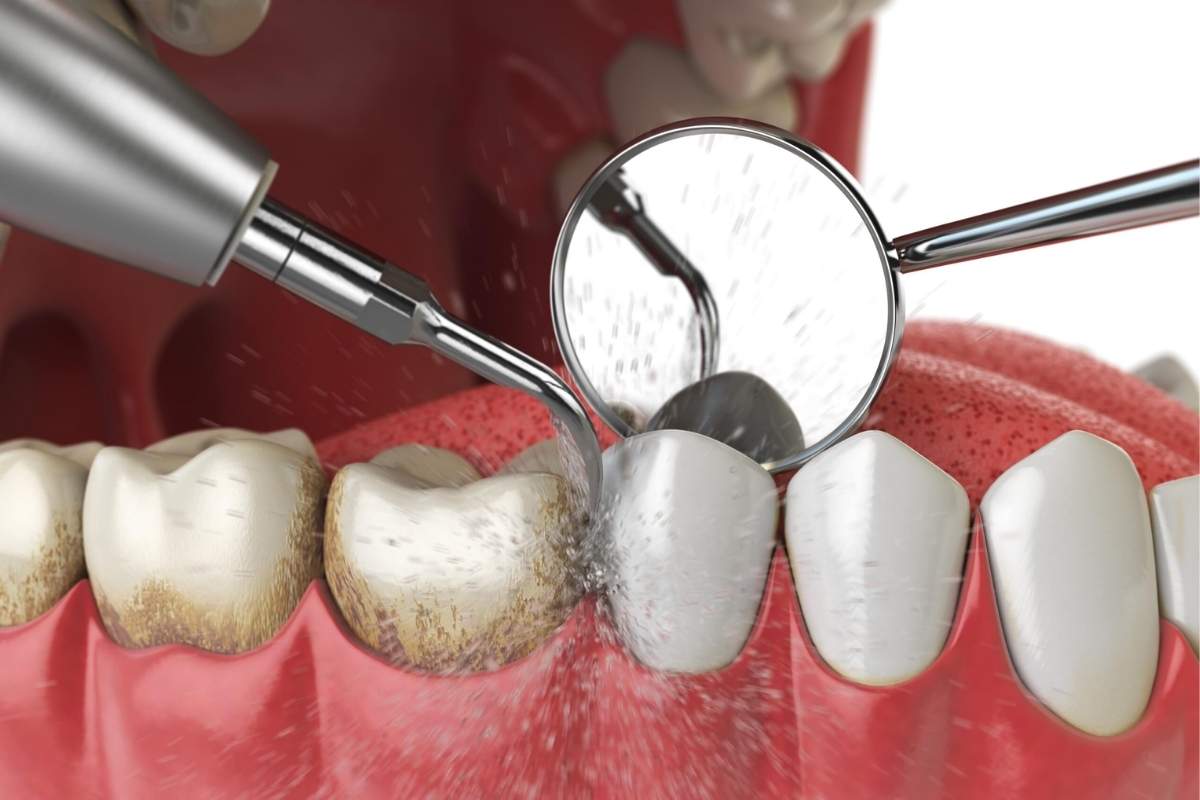
Yes—mild sensitivity after a professional dental cleaning is normal. During your visit, your dentist or hygienist removes plaque and tartar buildup that may have been sitting on your teeth and along the gumline for months.
Once that protective layer is gone, your teeth may temporarily become more sensitive to:
- Cold or hot foods and beverages
- Sweet or acidic foods
- Air exposure
- Brushing and flossing
This sensitivity usually fades within a few days to a week.
What Causes Tooth Sensitivity After Teeth Cleaning?
Several factors contribute to post-cleaning sensitivity. Let’s break them down:
1. Removal of Plaque and Tartar
Plaque and tartar can act like a shield over sensitive areas of your teeth. When they are removed during cleaning, the underlying enamel and dentin are exposed.
- The dentin layer contains tiny tubules connected to nerve endings
- Once exposed, these nerves react to temperature and pressure changes
2. Gum Recession
If your gums have slightly receded, cleaning can expose the tooth roots, which lack protective enamel.
This makes them more sensitive to:
- Cold drinks
- Sweet foods
- Touch
Gum recession may be mild and unnoticed until after a cleaning.
3. Deep Cleaning (Scaling and Root Planing)
If you undergo a deep cleaning procedure, sensitivity may be more noticeable.
This is because
- Bacteria and tartar are removed from below the gumline
- Inflamed gums begin to heal and shrink
- Tooth roots become temporarily more exposed
4. Minor Gum Irritation
Dental tools used during cleaning can slightly irritate the gums, especially if:
- There’s significant tartar buildup
- Your gums are already inflamed
- You haven’t had a cleaning in a while
This irritation can lead to temporary tenderness and sensitivity.
5. Existing Enamel Wear
If your enamel is already worn down due to:
- Aggressive brushing
- Acidic foods and drinks
- Teeth grinding (bruxism)
Cleaning may make sensitivity more noticeable.
6. Pre-Existing Dental Conditions
Sometimes sensitivity after cleaning highlights underlying issues such as:
- Cavities
- Cracked teeth
- Gum disease
If sensitivity persists longer than expected, it may require further evaluation.
How Long Does Sensitivity Last?
For most patients, sensitivity:
- Begins shortly after the cleaning
- Peaks within the first 24–48 hours
- Gradually improves within 3 to 7 days
If discomfort continues beyond a week or worsens, it’s important to consult your dentist.
How to Relieve Tooth Sensitivity After Cleaning
The good news? There are several effective ways to reduce discomfort:
1. Use Desensitizing Toothpaste
Look for toothpaste designed for sensitive teeth. These products help block nerve signals and reduce pain over time.
2. Avoid Trigger Foods and Drinks
For a few days after your cleaning, try to avoid:
- Ice-cold beverages
- Hot coffee or tea
- Sugary snacks
- Acidic foods like citrus
3. Brush Gently
Use a soft-bristled toothbrush and gentle strokes to prevent further irritation.
4. Rinse with Warm Saltwater
A simple saltwater rinse can help soothe inflamed gums and promote healing.
5. Stay Consistent with Oral Hygiene
Even if your teeth feel sensitive, don’t skip brushing or flossing. Keeping your mouth clean helps reduce inflammation and speeds recovery.
6. Consider Fluoride Treatments
Your dentist may recommend professional fluoride applications to strengthen enamel and reduce sensitivity.
When Should You Be Concerned?
While sensitivity is usually harmless, you should contact your dentist if you experience:
- Severe or sharp pain
- Sensitivity lasting longer than a week
- Swelling or bleeding gums
- Pain when biting down
- Signs of infection
At Sunridge Dental Care, we can evaluate your symptoms and determine if additional treatment is needed.
Can Tooth Sensitivity After Cleaning Be Prevented?
You may not be able to eliminate sensitivity, but you can reduce your risk:
- Schedule regular cleanings every 6 months
- Use a soft toothbrush and proper brushing technique
- Limit acidic and sugary foods
- Use fluoride toothpaste daily
- Address dental issues early
Routine care prevents excessive tartar buildup, which reduces the intensity of post-cleaning sensitivity.
Why Regular Dental Cleanings Still Matter
Even if sensitivity occurs, skipping cleanings is not the solution. Professional cleanings:
- Prevent cavities and gum disease
- Remove harmful plaque and tartar
- Keep your breath fresh
- Support long-term oral health
Any temporary discomfort is far outweighed by the long-term benefits.
Why Choose Us?
At Sunridge Dental Care, we prioritize patient comfort and personalized care. Our team uses gentle techniques and advanced tools to minimize sensitivity and ensure a positive experience.
We offer:
- Comfortable, patient-focused cleanings
- Preventive and restorative dental care
- Customized treatment plans
- A welcoming environment for all ages
Tooth sensitivity after teeth cleaning is a common and temporary side effect of maintaining good oral health. It typically results from the removal of plaque and tartar, mild gum irritation, or exposed tooth roots.
The key is to manage symptoms with proper care and seek professional advice if discomfort persists. Schedule your appointment today at Sunridge Dental Care and visit us at 13830 W Camino Del Sol #200, Sun City West, AZ 85375, to keep your smile healthy, clean, and comfortable.
FAQs
1. How long does tooth sensitivity last after a cleaning?
It usually lasts 3–7 days and gradually improves as your teeth adjust.
2. Is sensitivity after teeth cleaning a bad sign?
No, it’s typically a normal response to plaque removal and gum stimulation.
3. Can I brush my teeth if they feel sensitive?
Yes, but use a soft-bristled toothbrush and gentle technique.
4. What toothpaste is best for sensitive teeth?
Desensitizing toothpaste with potassium nitrate or fluoride works best.
5. When should I call my dentist about sensitivity?
If sensitivity lasts more than a week or becomes severe, contact your dentist for evaluation.