Maintaining clean, healthy teeth is key to preventing cavities, gum disease, and other dental issues. While professional dental cleanings are essential, there are steps you can take at home to keep your teeth in top condition between visits. Many people wonder how they can effectively deep clean their teeth at home, and while you won’t be able to replicate a dentist’s thorough cleaning, there are several ways to give your oral hygiene routine an extra boost.
In this blog, we’ll explore how you can deep clean your teeth at home safely and effectively.
What Is a Deep Clean for Teeth?
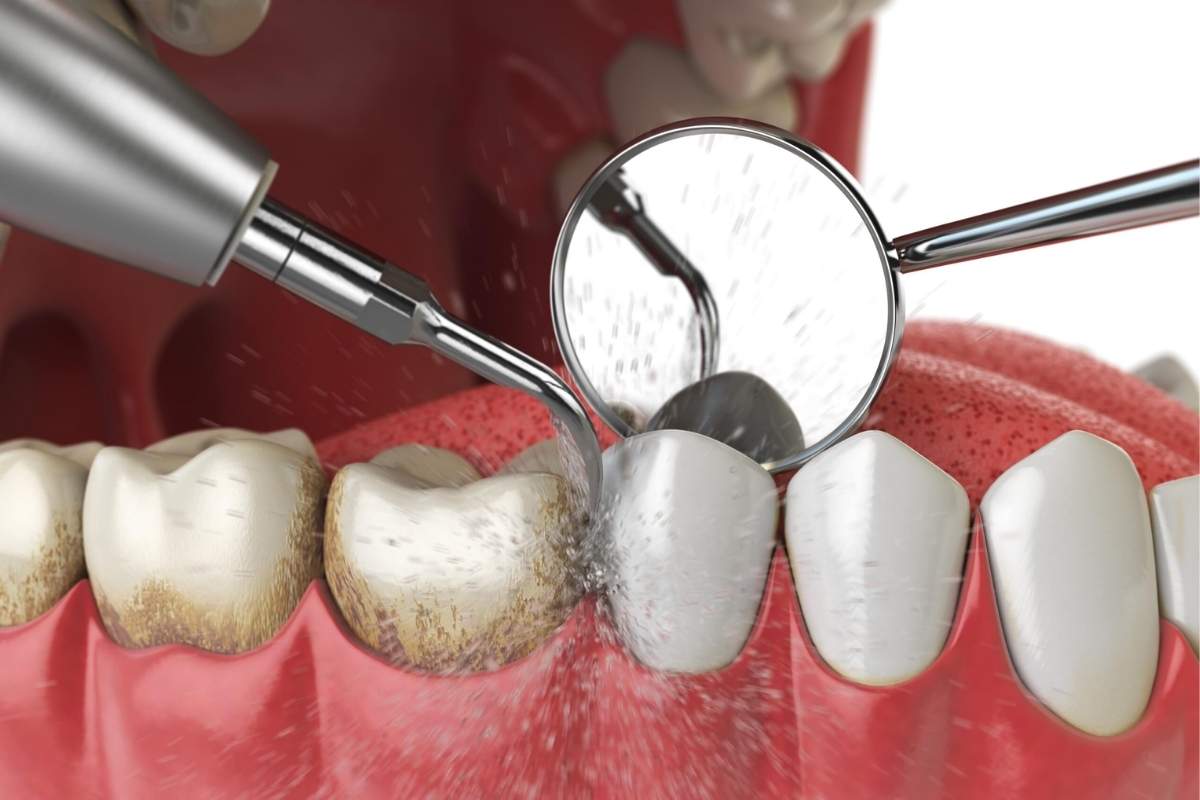
A deep clean, also known as scaling and root planing, is a professional dental treatment that involves removing tartar (hardened plaque) from below the gumline. At home, you can’t remove tartar or replicate the same process, but you can improve your daily oral care routine to reduce plaque buildup and improve overall gum health.
1. Brush Your Teeth Properly
The foundation of any at-home deep cleaning starts with effective tooth brushing. Many people brush their teeth regularly, but they may not be doing it correctly or thoroughly enough. Here’s how to brush your teeth like a pro:
- Use a Soft-Bristled Toothbrush: A soft-bristled toothbrush is gentle on your gums and teeth while still being effective at removing plaque and debris.
- Brush for at Least Two Minutes: Spend 30 seconds on each quadrant of your mouth (upper left, upper right, lower left, lower right) to ensure all areas are covered.
- Use the Right Technique: Hold the brush at a 45-degree angle toward your gumline and use gentle circular motions. Be sure to brush all surfaces of your teeth—front, back, and chewing surfaces.
- Use a Fluoride Toothpaste: Fluoride helps strengthen tooth enamel and prevents decay.
Brushing twice a day for at least two minutes can significantly reduce plaque and help prevent gum disease.
2. Don’t Forget to Floss
Flossing is crucial for deep cleaning between your teeth and under the gumline where your toothbrush can’t reach. Plaque can build up in these tight spaces and lead to tartar, tooth decay, and gum disease if left unaddressed. Proper flossing techniques include:
- Use About 18 Inches of Floss: Wrap most of the floss around your middle fingers, leaving about an inch or two to work with.
- Gently Slide the Floss Between Your Teeth: Don’t snap the floss into your gums. Instead, gently slide it in and form a C-shape around the base of each tooth.
- Floss All the Way to the Gumline: Be sure to reach the gumline to remove any trapped debris or plaque.
If traditional floss is difficult to use, try floss picks, water flossers, or interdental brushes to make cleaning between your teeth easier and more effective.
3. Rinse with Mouthwash
Using an antimicrobial or fluoride mouthwash can enhance your at-home deep cleaning routine. Mouthwash helps reduce plaque, kill bacteria, and freshen your breath. Here’s what to consider when choosing a mouthwash:
- Antimicrobial Mouthwash: These help reduce bacteria and plaque, especially when used after brushing and flossing.
- Fluoride Mouthwash: This type of mouthwash helps strengthen your enamel and prevent cavities.
- Alcohol-Free Options: If you experience dry mouth or sensitivity, opt for alcohol-free mouthwash to avoid irritation.
Rinse for about 30 seconds with your chosen mouthwash after brushing and flossing to complete your routine.
4. Try an Electric Toothbrush
An electric toothbrush can provide a more thorough cleaning than a manual toothbrush by delivering consistent, powerful strokes that remove more plaque. Many electric toothbrushes have built-in timers and pressure sensors, which can help ensure you’re brushing long enough without applying too much pressure.
Look for electric toothbrushes with soft bristles and various cleaning modes, including one for sensitive gums or deep cleaning.
5. Use a Tongue Scraper
Your tongue harbors bacteria and food particles that can contribute to bad breath and plaque buildup. A tongue scraper is an easy tool that helps remove this buildup and leaves your mouth feeling fresher.
Simply use the tongue scraper after brushing to gently scrape from the back of your tongue to the tip, removing any debris. Be sure to rinse your mouth afterward.
6. Make Dietary Adjustments
What you eat plays a major role in your oral health. Foods high in sugar and starch promote plaque buildup and tooth decay, while certain foods can help clean and strengthen your teeth. To keep your mouth healthier:
- Limit Sugary Snacks and Drinks: Bacteria in your mouth feed on sugar, producing acids that lead to tooth decay.
- Eat Crunchy Fruits and Vegetables: Foods like apples, carrots, and celery can help scrub your teeth and stimulate saliva production, which naturally helps wash away food particles.
- Drink Plenty of Water: Staying hydrated helps rinse food particles and bacteria from your mouth, reducing the risk of plaque buildup.
7. Use a Dental Pick or Water Flosser
If you have tight spaces between your teeth or find traditional flossing difficult, a dental pick or water flosser can help. Water flossers use a stream of water to clean between teeth and below the gumline, which can be especially helpful for people with braces or dental work.
- Dental Picks: These small, pointed tools can help remove food and plaque from between teeth, but be careful to avoid damaging your gums.
- Water Flossers: These devices use a pressurized stream of water to clean hard-to-reach areas and are great for sensitive gums or people with braces.
8. Use Baking Soda or Hydrogen Peroxide (Occasionally)
Baking soda is a natural abrasive that can help whiten teeth and remove surface stains, while hydrogen peroxide has antibacterial properties. Here’s how to use them:
- Baking Soda: Sprinkle a small amount of baking soda on your toothbrush and gently brush for one to two minutes, then rinse. Be careful not to use baking soda too often, as its abrasiveness can wear down enamel over time.
- Hydrogen Peroxide: You can create a homemade mouth rinse by diluting hydrogen peroxide with equal parts water. Swish it around your mouth for about 30 seconds and spit it out. Hydrogen peroxide helps kill bacteria and reduce plaque.
Use these methods sparingly to avoid damaging your teeth or gums.
9. Visit Your Dentist Regularly
No matter how diligent you are with your at-home routine, professional cleanings and exams are essential. Your dentist can remove tartar buildup that home care can’t reach and check for any potential issues before they become serious problems.
Aim to see your dentist at least every six months for a professional cleaning and exam.
While professional dental cleanings are important, you can take steps at home to give your teeth a deeper clean and prevent oral health issues. By brushing properly, flossing daily, using mouthwash, and incorporating tools like electric toothbrushes and water flossers, you can keep your teeth and gums in great shape between dentist visits.
Remember, maintaining a balanced diet, avoiding sugary foods, and staying hydrated also contribute to your overall oral health. While you can’t remove tartar on your own, these practices will help keep plaque and bacteria at bay until your next professional cleaning.