If you’ve ever felt a sudden, sharp pain in your teeth while drinking something cold or eating sweets, you may be experiencing tooth sensitivity. This common dental issue can make everyday activities—like sipping coffee or brushing your teeth—uncomfortable or even painful.
Tooth sensitivity affects millions of people, but the good news is that it’s usually treatable with the right care. At Sunridge Dental Care, patients receive personalized care to diagnose the cause of sensitivity and restore comfortable, healthy smiles. Understanding why tooth sensitivity happens and how it can be treated is the first step toward relief.
What Is Tooth Sensitivity?
Tooth sensitivity, also called dentin hypersensitivity, occurs when the protective enamel on a tooth becomes worn down or when gum recession exposes the tooth root. Beneath the enamel lies a softer layer called dentin, which contains microscopic tubules that lead to the tooth’s nerve center.
When dentin becomes exposed, stimuli such as hot, cold, sweet, or acidic foods can trigger nerve signals, causing sharp or lingering discomfort.
Common triggers include:
- Cold drinks or ice cream
- Hot beverages like coffee or tea
- Sweet or acidic foods
- Brushing or flossing
- Breathing in cold air
While occasional sensitivity may be mild, persistent pain could signal an underlying dental problem that needs professional attention.
Common Causes of Tooth Sensitivity
Several dental and lifestyle factors can contribute to tooth sensitivity. Identifying the exact cause helps determine the most effective treatment.
1. Enamel Erosion
Tooth enamel is the hard outer layer that protects teeth from damage and decay. When enamel becomes worn down, dentin becomes exposed, leading to sensitivity.
Common causes of enamel erosion include:
- Frequent consumption of acidic foods and drinks
- Aggressive brushing with a hard-bristle toothbrush
- Acid reflux or stomach acid exposure
- Long-term teeth grinding
2. Gum Recession
Gums naturally protect the sensitive root surface of teeth. However, gum tissue can recede due to periodontal disease, aging, or brushing too hard.
When gums pull away from the tooth, the root surface becomes exposed, making teeth more sensitive to temperature and pressure.
3. Tooth Decay or Cavities
A cavity can create openings in the enamel that expose dentin and irritate the tooth nerve. Sensitivity may be one of the first warning signs of decay.
If left untreated, cavities can worsen and lead to infection or more serious dental problems.
4. Cracked or Damaged Teeth
A cracked tooth allows bacteria and food particles to reach the inner layers of the tooth. This can cause discomfort when biting down or consuming hot or cold foods.
Cracks may develop from:
- Teeth grinding
- Trauma or injury
- Chewing hard foods
- Aging dental restorations
5. Recent Dental Procedures
Some patients experience temporary sensitivity after procedures such as:
- Teeth whitening
- Dental fillings
- Crown placement
- Deep cleanings
This sensitivity usually resolves within a few days, but persistent discomfort should be evaluated by a dentist.
Symptoms of Tooth Sensitivity
Tooth sensitivity can vary from mild to severe depending on the underlying cause. Common symptoms include:
- Sharp pain when eating hot or cold foods
- Discomfort when consuming sweet or acidic items
- Pain when brushing or flossing
- Sudden sensitivity to cold air
- Tenderness when biting or chewing
If these symptoms occur frequently, it may indicate a dental condition that requires professional treatment.
Effective Treatments for Tooth Sensitivity
The right treatment depends on the cause and severity of sensitivity. At Sunridge Dental Care, patients receive personalized treatment plans designed to relieve discomfort and protect long-term oral health.
Desensitizing Toothpaste
Specialized toothpaste designed for sensitive teeth helps block nerve signals and strengthen enamel. With regular use, many patients experience noticeable relief.
Fluoride Treatments
Professional fluoride treatments strengthen enamel and reduce sensitivity. Fluoride can help remineralize weakened tooth surfaces and provide long-term protection.
Dental Bonding
When exposed roots or worn enamel cause sensitivity, dental bonding may be recommended. This treatment applies a protective resin to exposed areas, shielding the tooth from irritation.
Gum Disease Treatment
If gum recession results from periodontal disease, deep cleaning procedures such as scaling and root planing may be necessary to restore gum health and reduce sensitivity.
Dental Crowns or Inlays
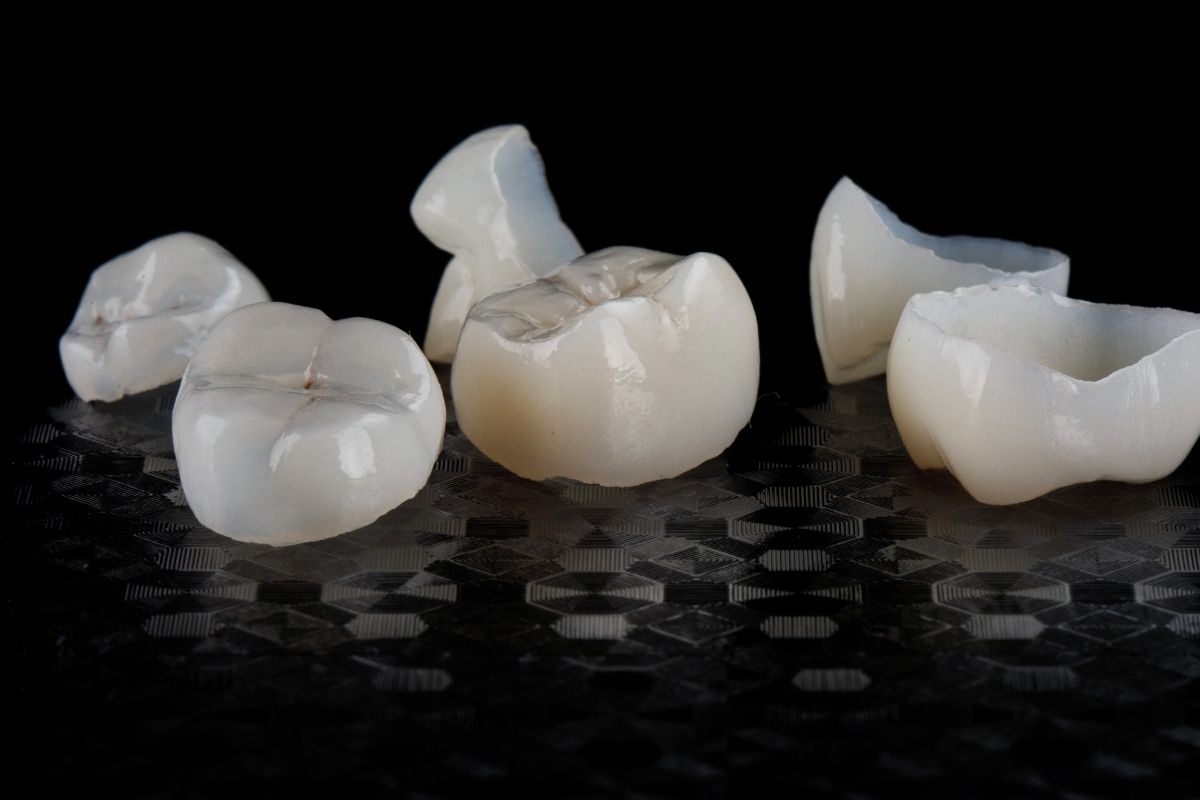
For severely worn or damaged teeth, restorative treatments like crowns or inlays can protect the tooth structure and eliminate sensitivity.
Root Canal Therapy
In rare cases where sensitivity results from nerve damage or severe infection, root canal treatment may be recommended to remove the infected tissue and preserve the tooth.
Tips to Prevent Tooth Sensitivity
Preventing tooth sensitivity often involves protecting enamel and maintaining healthy gums.
Helpful prevention strategies include:
- Use a soft-bristle toothbrush
- Brush gently with fluoride toothpaste
- Avoid highly acidic foods and drinks
- Wear a nightguard if you grind your teeth
- Maintain regular dental checkups and cleanings
- Limit teeth-whitening treatments unless recommended by your dentist
Good oral hygiene and professional dental care play a key role in preventing sensitivity and maintaining strong, healthy teeth.
When Should You See a Dentist for Sensitive Teeth?
While occasional sensitivity can be normal, persistent or severe discomfort should not be ignored.
You should schedule a dental visit if:
- Sensitivity lasts longer than a few days
- Pain becomes intense or frequent
- You notice swelling or gum recession
- Sensitivity occurs when biting down
- Over-the-counter treatments don’t provide relief
A dentist can identify the underlying cause and recommend the most effective treatment to protect your teeth.
Early diagnosis often prevents more complex dental problems and helps maintain long-term oral health.
Why Professional Dental Care Matters
Tooth sensitivity is more than just an inconvenience—it can be a warning sign of underlying dental conditions. Professional evaluation ensures that issues such as cavities, gum disease, or enamel erosion are detected early.
At Sunridge Dental Care, patients benefit from modern dental technology and compassionate care. Whether sensitivity is caused by enamel wear, gum recession, or tooth damage, the right treatment can restore comfort and confidence in your smile.
Restore Comfort to Your Smile
Living with tooth sensitivity can make everyday activities uncomfortable, but effective treatment can bring relief and protect your oral health. If you’re experiencing sensitive teeth, professional dental care can identify the cause and provide long-lasting solutions.
Schedule your appointment today with Dr. Amy Okun and take the first step toward a healthier, pain-free smile. Visit our dental office at 13830 W Camino Del Sol #200, Sun City West, AZ 85375, United States, where our team is dedicated to helping you enjoy comfortable, confident oral health.