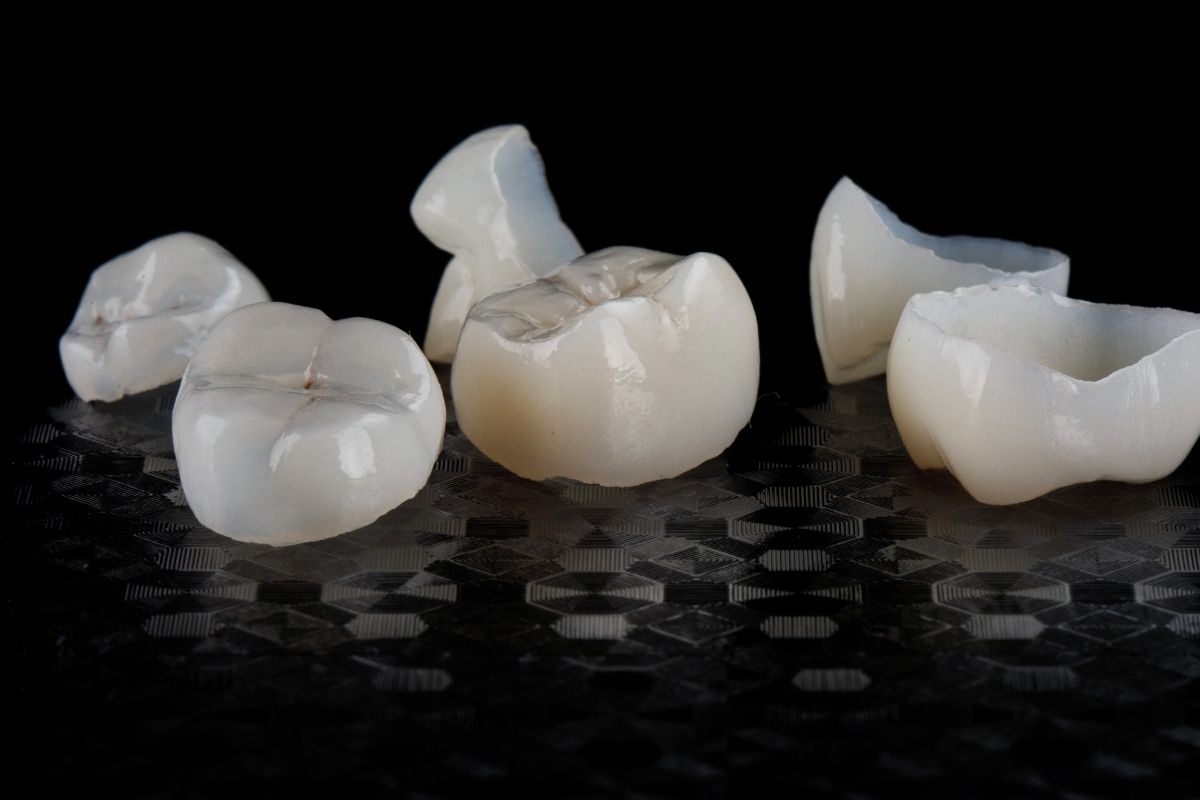
Dental crowns are one of the most common restorative procedures in modern dentistry. They not only protect weakened teeth but also restore function and improve the appearance of your smile. However, many patients often wonder: Can you get a crown without a root canal? The answer isn’t always straightforward, as it depends on the health of your tooth and the reason for placing the crown. Let’s explore the scenarios where a crown can be placed with or without a root canal.
What Is a Dental Crown?
A dental crown is a cap that fully encases a damaged tooth. Crowns are typically used to:
- Strengthen teeth that have large fillings or structural damage
- Protect a cracked or worn-down tooth
- Restore teeth after a root canal
- Improve cosmetic appearance
Crowns are made from various materials such as porcelain, ceramic, metal, or a combination of these.
Do You Always Need a Root Canal Before a Crown?
Not necessarily. A root canal is only required if the tooth’s pulp—the soft tissue inside the tooth that contains nerves and blood vessels—is infected or inflamed. If the pulp is healthy, the tooth may only need a crown without undergoing a root canal.
Situations Where a Crown Can Be Placed Without a Root Canal:
- Cosmetic Reasons:
If a tooth is discolored, misshapen, or slightly chipped, a crown can improve aesthetics without touching the pulp. - Minor Damage or Wear:
Teeth that are slightly cracked, worn, or have small fillings may require only a crown for protection. - Strengthening a Tooth After Filling Replacement:
When a tooth has a large filling but no signs of nerve infection, a crown can reinforce the tooth without a root canal.
Situations Where a Root Canal May Be Needed First:
- Deep decay reaching the pulp
- Persistent pain or sensitivity
- Infection or abscess in the tooth
- Trauma causing nerve damage
In these cases, the dentist will first remove the infected pulp, complete a root canal, and then place the crown.
How Dentists Decide
During a consultation, your dentist will perform a thorough examination, which may include X-rays, to assess the health of your tooth. The decision to perform a root canal before a crown depends on:
- Depth of decay or damage
- Presence of infection or inflammation
- Overall structural integrity of the tooth
By evaluating these factors, your dentist can recommend the most appropriate treatment plan.
Benefits of Getting a Crown Without a Root Canal
- Less invasive: No need to remove the pulp
- Faster procedure: Skipping a root canal reduces appointments
- Preserves natural tooth vitality: Keeping the pulp intact maintains the tooth’s natural health
However, it’s important to note that if a tooth requiring a root canal is capped without treating the pulp, infection and complications may occur. Always follow your dentist’s professional recommendation.
Getting a crown does not always require a root canal, but the decision is based on the tooth’s health and your unique dental needs. Whether you need a crown for cosmetic reasons, structural support, or after a root canal, working with a skilled dentist ensures the best long-term results.
If you are considering a crown or want to know whether a root canal is necessary, schedule a consultation today at our office located at 13830 W Camino Del Sol #200, Sun City West, AZ 85375. Our experienced team will evaluate your tooth and create a personalized treatment plan to restore your smile safely and effectively.
FAQs
1. Can a tooth survive a crown without a root canal?
Yes, if the pulp inside the tooth is healthy and there’s no infection or severe damage, a crown alone can protect and strengthen the tooth.
2. How long does it take to get a crown without a root canal?
Typically, the process takes one to two dental visits. The first visit involves preparing the tooth and taking impressions, while the second visit involves placing the permanent crown.
3. Are there risks of skipping a root canal before a crown?
Yes. If the tooth has an undetected infection or deep decay, skipping a root canal can lead to pain, abscesses, or the need for more extensive treatment later.