Missing teeth can affect both your appearance and oral health. Fortunately, modern dentistry offers several effective solutions to restore your smile and functionality. Here are five popular dental options for replacing missing teeth, each with its own set of benefits.
1. Dental Implants
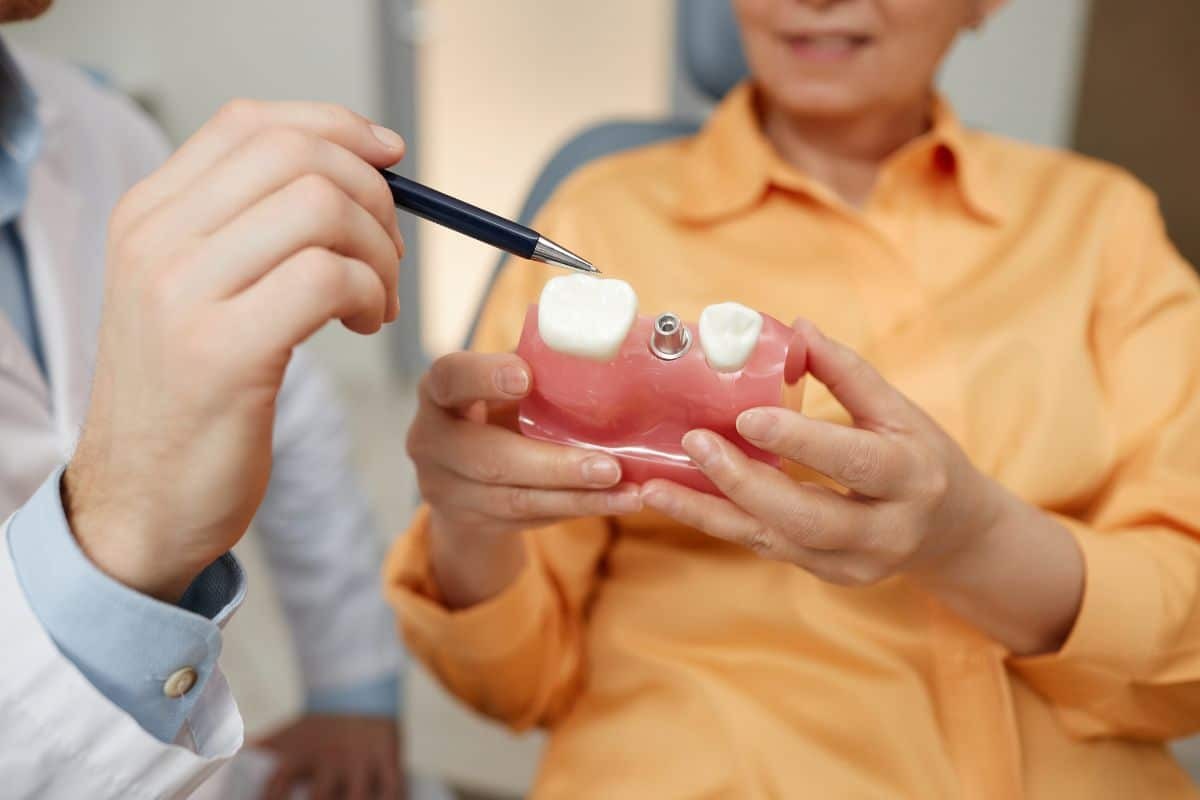
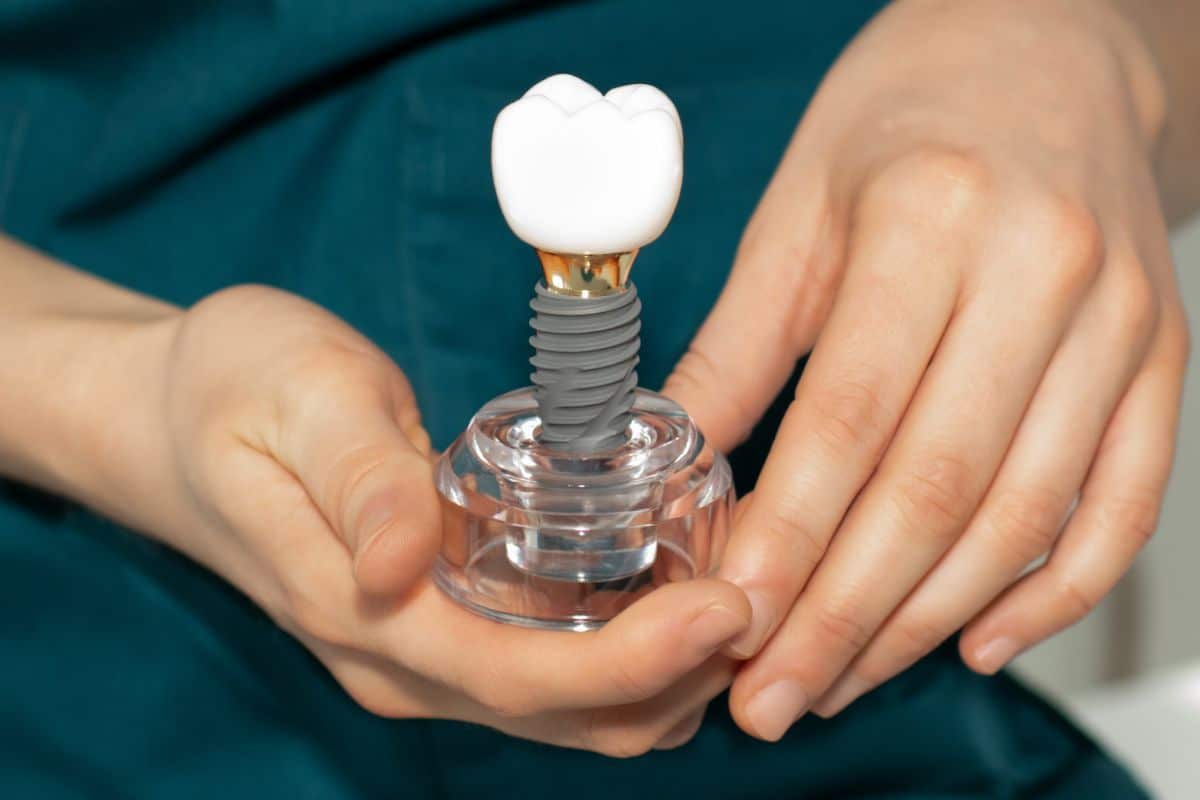
Dental implants are a popular, permanent solution for replacing missing teeth. A titanium post is surgically implanted into the jawbone, acting as an artificial root. Once the post fuses with the bone (a process called osseointegration), a crown is placed on top, mimicking the look and function of a natural tooth.
Benefits:
- Long-lasting (can last a lifetime with proper care)
- Mimics natural teeth in appearance and function
- Helps preserve jawbone structure and prevent bone loss
- Doesn’t require altering neighboring teeth
Drawbacks:
- Can be expensive
- Requires surgery and healing time
- Not suitable for patients with insufficient jawbone without additional procedures like bone grafting
2. Dental Bridges
Dental bridges “bridge” the gap created by one or more missing teeth. They consist of a false tooth (or teeth) held in place by crowns that are cemented onto the adjacent teeth. Bridges can be a good option if you’re missing a tooth between two healthy teeth.
Benefits:
- Doesn’t require surgery
- Provides a fixed, non-removable option
- Restores appearance and functionality
- Faster than implants (usually takes two visits)
Drawbacks:
- Requires alteration of healthy teeth
- Doesn’t address underlying bone loss
- Needs replacement every 10-15 years
3. Partial Dentures
Partial dentures are removable prosthetics used when some natural teeth remain. These dentures consist of replacement teeth attached to a gum-colored base, and they are held in place with clasps that grip the surrounding natural teeth.
Benefits:
- Less expensive than implants or bridges
- Non-invasive and doesn’t require surgery
- Easy to repair or modify
Drawbacks:
- Less stable than fixed options like implants or bridges
- May need adjustment over time
- Can feel bulky or uncomfortable for some patients
4. Complete Dentures
For patients who are missing all of their teeth, complete dentures are a full set of removable teeth. Dentures are custom-made to fit the shape of your gums and offer a functional and aesthetic replacement for your natural teeth.
Benefits:
- A cost-effective option for replacing all teeth
- Can be made relatively quickly
- Provides improved chewing and speech compared to missing teeth
Drawbacks:
- May require frequent adjustments or relining as your gums change over time
- Not as stable as other options, especially in the lower jaw
- Can affect taste and sensation in the mouth
5. Implant-Supported Dentures
Implant-supported dentures combine the affordability of dentures with the stability of dental implants. A few implants are placed in the jaw, and dentures are attached to them, creating a secure fit. These dentures can either be removable or fixed, depending on your preference.
Benefits:
- More stable than traditional dentures
- Helps prevent bone loss
- Allows for easier chewing and speaking
- Still more affordable than a full set of implants
Drawbacks:
- Requires surgery for implant placement
- More expensive than traditional dentures
- Needs regular cleaning and maintenance
When considering options to replace missing teeth, it’s important to think about your budget, lifestyle, and long-term dental health. Whether you opt for implants, dentures, or bridges, each option has its benefits and potential drawbacks. Consulting with your Sun City West dentist will help determine the best solution tailored to your needs, ensuring that your smile stays functional and beautiful for years to come.
By exploring the options above, you can make an informed decision and restore your confident smile.