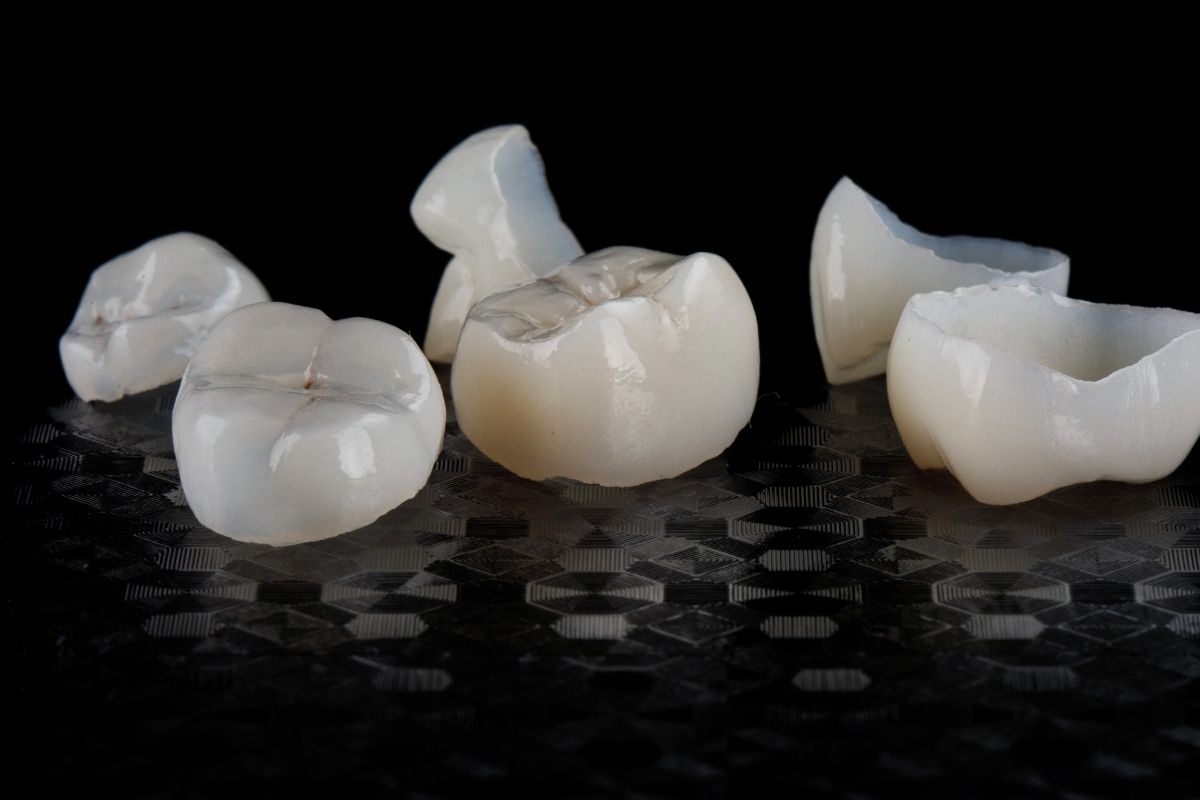
Wisdom teeth, or third molars, typically emerge between the ages of 17 and 25. For many individuals, these teeth can become a source of discomfort, infection, or alignment problems. That’s why wisdom tooth removal is one of the most common oral surgeries performed by dental professionals. If you’re experiencing pain, swelling, or other issues related to your wisdom teeth, understanding the process and reasons behind removal can help you feel more prepared and confident in your decision.
Why Wisdom Tooth Removal Is Often Necessary
In some cases, wisdom teeth grow in without any problems. But for most people, there’s simply not enough room in the mouth to accommodate these extra molars. As a result, they may become impacted—trapped beneath the gum line or growing at awkward angles. Impacted wisdom teeth can cause a variety of issues, including:
- Crowding of nearby teeth
- Jaw pain or swelling
- Infections and gum inflammation
- Tooth decay due to difficulty cleaning the area
- Cyst or tumor formation around the tooth
Removing wisdom teeth early, even before symptoms arise, can prevent more serious complications later on.
What to Expect During the Procedure
Wisdom tooth removal is typically performed under local anesthesia, sedation, or general anesthesia, depending on the complexity of the case. During the procedure, the dentist or oral surgeon makes an incision in the gum to access the tooth and may remove it in sections if necessary. The entire process usually takes less than an hour, and patients can go home the same day with post-op care instructions.
For those seeking guidance, a Sun City West dentist can provide a thorough consultation and determine if wisdom tooth extraction is necessary based on digital X-rays and oral exams. Their expertise ensures that the procedure is performed safely and with minimal discomfort.
Recovery and Aftercare Tips
Post-surgery recovery usually lasts a few days to a week. Here are some helpful tips for a smoother healing process:
- Apply cold compresses to reduce swelling.
- Eat soft foods like yogurt, mashed potatoes, and soup.
- Avoid using straws to prevent dry socket.
- Take prescribed medications as directed.
- Gently rinse the area with salt water after 24 hours to keep it clean.
Following your dentist’s aftercare instructions is key to avoiding complications and promoting faster healing.
Wisdom tooth removal is a proactive step in maintaining your oral health and preventing future dental issues. Whether you’re experiencing discomfort or your dentist has recommended extraction during a routine exam, knowing what to expect can ease your concerns. With skilled care and proper aftercare, you can recover quickly and comfortably.
Book an appointment now to consult with a trusted dental professional about your wisdom teeth and determine the best course of action for your smile.