Adjusting to partial dentures can feel like a big change, especially if you’ve recently had teeth removed or haven’t worn any oral prosthetics before. While partial dentures are a reliable and cost-effective solution for replacing missing teeth, they can take some time to get used to—both physically and emotionally.
If you’re about to begin wearing partial dentures or recently started, this guide will help you know what to expect and how to transition smoothly. With a little patience, practical tips, and the support of your dental provider, you’ll be speaking, eating, and smiling confidently in no time.
What Are Partial Dentures?
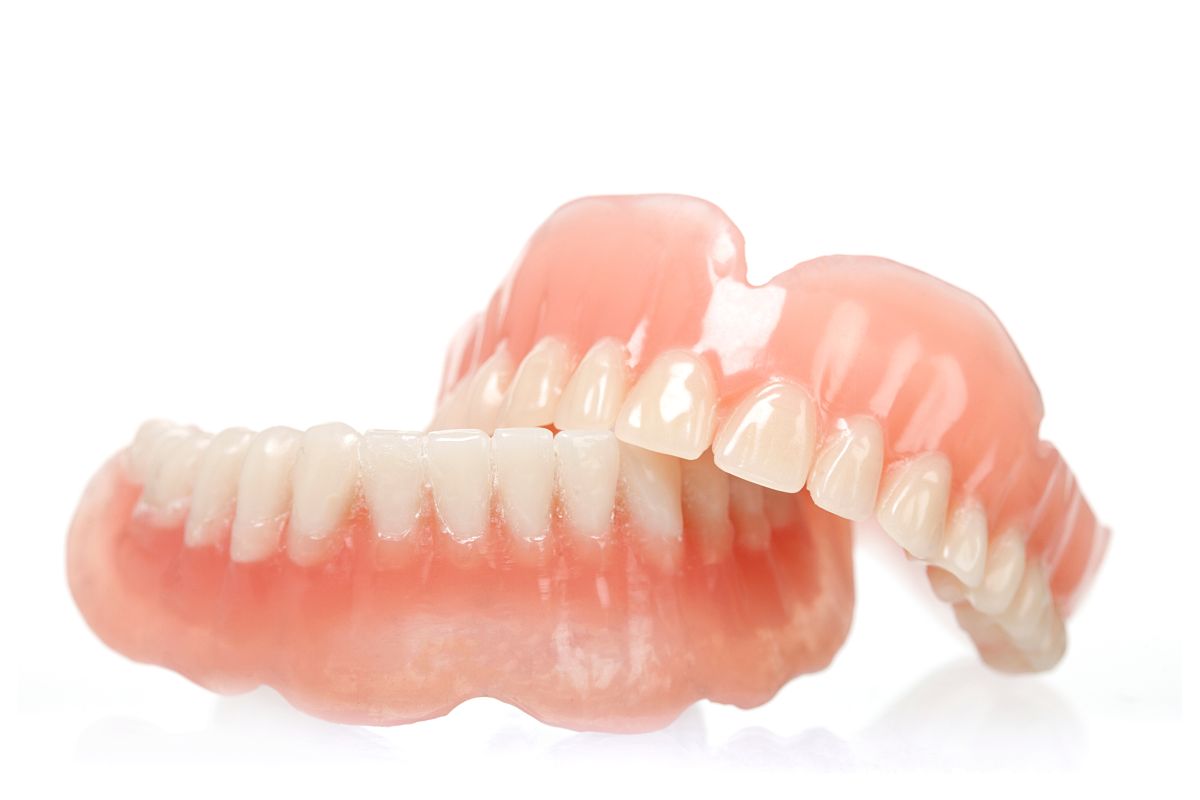
Partial dentures are removable dental appliances designed to replace one or more missing teeth in either the upper or lower jaw. They consist of replacement teeth attached to a gum-colored plastic base, sometimes supported by a metal framework or clasps that secure them to your existing teeth.
Partial dentures serve both functional and aesthetic purposes—improving chewing ability, maintaining facial structure, and preventing remaining teeth from shifting out of place.
The Initial Adjustment Period
The first few days to weeks of wearing partial dentures can come with some challenges, but it’s important to know that this is completely normal. You may experience:
- Soreness or pressure in the mouth
- Difficulty speaking clearly
- Increased saliva production
- Feeling that the dentures are too bulky or loose
These symptoms typically lessen as your mouth adjusts. Don’t be discouraged—consistency is key, and most people adapt within a few weeks.
Tips for Getting Used to Partial Dentures
Here are some helpful strategies to ease your transition and make the most of your new smile:
1. Wear Them Consistently (But Give Yourself Breaks)
Your dentist will likely advise you to wear your dentures most of the day, especially in the beginning, to help your mouth adjust. However, you should remove them at night to give your gums a chance to rest and to allow proper cleaning.
If discomfort becomes too much during the day, it’s okay to remove them briefly—but try to increase your wear time gradually.
2. Practice Speaking Aloud
It’s common to experience speech difficulties, such as lisping or mumbling, when you first start wearing partial dentures. The best way to overcome this is to practice speaking regularly. Read out loud, talk to yourself, or sing along to songs. With repetition, your tongue and mouth muscles will adapt to the shape of the dentures.
3. Start with Soft Foods
Chewing with new dentures can be awkward at first, so it’s best to begin with soft foods like yogurt, scrambled eggs, mashed potatoes, and smoothies. Gradually introduce firmer foods as your confidence improves.
Cut food into smaller pieces, chew slowly, and try to distribute pressure evenly on both sides of your mouth.
4. Use Denture Adhesives (If Recommended)
If your partial dentures feel slightly loose or unstable, a dentist-approved denture adhesive may help improve retention and comfort. However, adhesives shouldn’t be a substitute for a well-fitting denture. If you’re experiencing persistent looseness or irritation, consult your dentist for an adjustment.
Patients seeking Dentures often benefit from expert fitting and follow-up care to ensure long-term comfort and performance. A trusted dental provider will ensure that your partial dentures are custom-fitted and make necessary refinements as your mouth adjusts.
5. Clean Your Dentures Daily
Good hygiene is essential to avoid irritation, infections, and bad breath. Remove your dentures daily and clean them using a soft denture brush and mild denture cleanser (never regular toothpaste). Soak them overnight in a denture solution to keep them moist and maintain their shape.
Also, brush your gums, tongue, and any remaining teeth to remove plaque and keep your mouth healthy.
6. Be Patient with Soreness
It’s completely normal to experience some soreness or irritation in your gums during the first few weeks. Rinsing with warm salt water can help soothe discomfort, and your dentist may recommend a topical oral gel for added relief.
If you develop persistent sore spots, ulcers, or sharp pain, don’t hesitate to contact your dental provider for a minor adjustment.
7. Stay Hydrated
Dry mouth can make denture-wearing uncomfortable. Drinking plenty of water throughout the day can help maintain saliva production, which acts as a natural lubricant and helps dentures stay in place more effectively.
8. Check In With Your Dentist Regularly
Follow-up appointments are essential, especially during your initial adjustment period. Your dentist will assess the fit of your dentures, make any needed adjustments, and address any discomfort or concerns.
Regular dental checkups also ensure your remaining natural teeth and oral tissues remain healthy and free of infection or gum disease.
9. Set Realistic Expectations
Partial dentures are a valuable tool for improving function and appearance—but they aren’t a perfect replacement for natural teeth. Being aware of their limitations and giving yourself time to adapt will help you stay positive and committed to the adjustment process.
10. Consider Long-Term Options
While removable partial dentures are a great short-to-medium-term solution, you may also want to discuss long-term options with your dentist. Some patients later transition to implant-supported bridges or full dentures, depending on their oral health and preferences.
Your dentist can guide you through your options and help you make the best choice for your future smile.
Wearing partial dentures may take a bit of getting used to, but with the right mindset and care, they can significantly improve your quality of life. From restoring your smile to boosting your ability to eat and speak with ease, dentures are a reliable and effective solution for missing teeth.
Whether you’re just starting your journey or looking for ongoing support, professional guidance makes a world of difference. If you’re considering or already using dentures in Sun City West, AZ, partnering with a skilled dental team ensures a smoother adjustment and long-term satisfaction.
Don’t hesitate to ask your dentist questions, express concerns, and follow their advice every step of the way. Before long, your partial dentures will feel like a natural part of your daily routine.