When your dentist recommends a root canal, it’s normal to feel anxious or unsure about what comes next. Root canal therapy has long been misunderstood—but in reality, it’s a safe, routine procedure that relieves pain and saves your natural tooth. Understanding what happens before, during, and after a root canal can help you feel more confident and prepared.
In this blog, we’ll break down everything you need to know about the stages of a root canal: from diagnosis to recovery.
Why You Might Need a Root Canal
A root canal is typically needed when the soft tissue inside your tooth—the pulp—becomes inflamed or infected. This can happen due to:
- Deep decay or an untreated cavity
- Cracked or chipped tooth
- Trauma to the tooth
- Repeated dental procedures on the same tooth
Symptoms that may indicate the need for a root canal include:
- Persistent toothache or throbbing pain
- Sensitivity to hot or cold
- Swollen or tender gums near the tooth
- Discoloration of the tooth
- A pimple-like bump on the gum
Before the Root Canal: Diagnosis and Preparation
1. Examination and Imaging
The process starts with a detailed dental examination. Your dentist will ask about your symptoms and take X-rays to assess the extent of the damage and determine if the infection has reached the tooth’s pulp or surrounding bone.
2. Diagnosis and Recommendation
If the pulp is infected or damaged, a root canal will likely be recommended. This treatment helps preserve the natural tooth, preventing the need for extraction.
3. Preparing for the Procedure
Before the procedure:
- Your dentist will explain the steps involved and answer any questions you may have.
- You may be prescribed antibiotics if there’s a significant infection.
- You’ll be scheduled for your treatment, which may be done in one or two visits depending on the severity.
During the Root Canal: Step-by-Step Treatment
Root canal therapy may sound intimidating, but the process is similar to getting a dental filling. Here’s what happens during the actual procedure:
1. Numbing the Area
The dentist will administer a local anesthetic to completely numb the tooth and the surrounding area. You’ll remain awake, but you won’t feel pain—just mild pressure.
2. Placing a Dental Dam
A small rubber sheet called a dental dam is placed around the tooth to keep the area dry and free of saliva.
3. Removing the Infected Pulp
A small opening is made in the crown of the tooth to access the infected pulp. Using specialized tools, the dentist will carefully remove the pulp, bacteria, and any debris from the root canals.
4. Cleaning and Shaping the Canals
Once the pulp is removed, the root canals are cleaned, disinfected, and shaped to prepare them for filling. X-rays may be taken during this process to ensure the canals are fully cleared.
5. Filling the Canals
The cleaned canals are filled with a biocompatible material called gutta-percha. This helps seal the space and prevent future infection.
6. Temporary or Permanent Seal
A temporary filling may be placed to close the opening, or a permanent filling or crown may be placed immediately, depending on your treatment plan.
After the Root Canal: Recovery and Restoration
1. Immediate Post-Procedure Experience
After the anesthesia wears off, it’s normal to feel some mild discomfort or sensitivity in the treated area. This usually lasts a few days and can be managed with over-the-counter pain relievers such as ibuprofen.
Here’s what to expect:
- Slight tenderness in the jaw from keeping your mouth open
- Sensitivity when chewing or biting
- General soreness around the tooth
If you experience severe pain, swelling, or signs of infection (such as fever or a bad taste in the mouth), contact your dentist right away.
2. Getting the Permanent Restoration
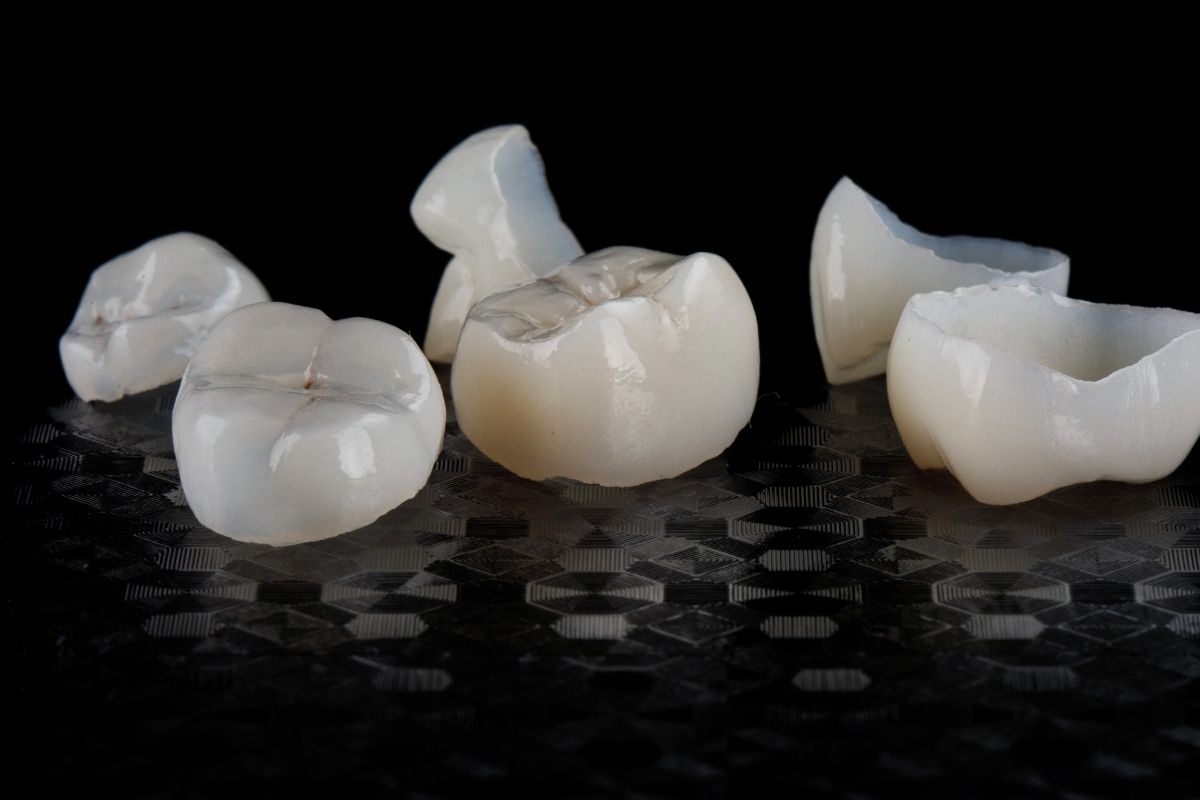
In most cases, a crown is placed over the treated tooth to restore its strength and appearance. This usually happens within a few weeks of the root canal.
- Why a crown is necessary: A tooth that has undergone root canal therapy becomes more brittle and is prone to cracking. A crown protects it from further damage and restores full function.
Your dentist will take impressions of your tooth and either place a same-day crown or send the impressions to a lab to create a custom crown.
3. Long-Term Care
With proper care, a root canal-treated tooth can last as long as your natural teeth. To maintain your results:
- Brush and floss daily
- Avoid chewing on hard objects like ice or pens
- Visit your dentist regularly for checkups and cleanings
Before and After: The Key Differences
| Before Treatment | After Treatment |
|---|---|
| Persistent pain or discomfort | Pain-free and functional tooth |
| Sensitivity to heat, cold, or pressure | Normal sensation or mild sensitivity |
| Swelling or gum tenderness | Reduced or eliminated swelling |
| Discolored or damaged tooth | Restored, natural-looking appearance |
| Risk of extraction | Tooth preserved with a crown or filling |
The transformation is often both functional and cosmetic. Many patients are surprised by how seamlessly their smile is restored after the root canal and crown placement.
Common Myths About Root Canals
Let’s clear up some misconceptions:
- Myth: Root canals are extremely painful.
Fact: Modern dentistry has made root canals virtually painless. Most patients say it’s no worse than getting a filling. - Myth: It’s better to pull a tooth than get a root canal.
Fact: Saving your natural tooth is usually the best option for chewing efficiency, aesthetics, and overall oral health. - Myth: Root canals cause illness.
Fact: This is based on outdated studies. Root canals are a safe, evidence-based treatment.
When to Call Your Dentist
Even after the procedure, stay alert for any unusual symptoms. Contact your dentist if you experience:
- Persistent pain or swelling
- Signs of infection (fever, drainage, foul odor)
- Your temporary crown or filling falls out
- Cracks or chips in the tooth
Early intervention can prevent further issues and ensure long-lasting results.
A Healthier Smile Starts with Action
A root canal might sound intimidating, but it’s a relief, not a burden. It eliminates pain, saves your natural tooth, and helps you regain confidence in your smile. Knowing what to expect before and after treatment can make the experience smooth and stress-free.
If you’re experiencing any symptoms of infection or tooth damage, don’t delay—book an appointment with your dentist today. The sooner you act, the easier it is to treat the problem and preserve your smile for years to come.