Maintaining a healthy smile starts with consistent oral care at home. Brushing twice a day, flossing daily, and using mouthwash can prevent many dental issues, including plaque buildup. But what happens when plaque hardens into tartar? Can you remove tartar at home, or is professional dental care necessary? Let’s explore what dentists want you to know about tartar, its risks, and the safest ways to keep your teeth healthy.
What Is Tartar?
Tartar, also known as dental calculus, forms when plaque—a sticky layer of bacteria—hardens on your teeth. Plaque is soft and can usually be removed with regular brushing and flossing. Once it calcifies into tartar, however, it becomes rough, hard, and adheres strongly to your teeth, often near the gumline.
Tartar isn’t just unsightly; it can lead to serious oral health problems, including gum disease, cavities, and bad breath. Unlike plaque, tartar cannot be removed with brushing or flossing alone, which is why professional dental care is essential.
Can You Remove Tartar at Home?
Many people wonder if home remedies, special toothpaste, or DIY tools can remove tartar. Unfortunately, the answer is no. While brushing and flossing can help prevent tartar buildup, they cannot remove hardened tartar once it has formed. Using metal tools or sharp instruments at home can damage your teeth and gums, potentially leading to infection or permanent damage.
A dentist in Sun City West emphasizes that only professional dental cleanings can safely and effectively remove tartar. Dentists and dental hygienists use specialized tools, such as scalers and ultrasonic instruments, to gently remove tartar without harming your enamel or gums.
Risks of Ignoring Tartar
Ignoring tartar buildup can have serious consequences for your oral and overall health. Common risks include:
- Gum Disease: Tartar irritates the gums and can cause gingivitis, which may progress to periodontitis if untreated.
- Tooth Decay: Tartar can trap food and bacteria against your teeth, leading to cavities.
- Bad Breath: The bacteria in tartar release compounds that cause persistent bad breath.
- Tooth Loss: Advanced gum disease caused by tartar can weaken tooth support, potentially resulting in tooth loss.
Regular dental visits are key to catching tartar buildup early and preventing these complications.
How Dentists Remove Tartar
Dental professionals use two main techniques to remove tartar:
- Scaling: Using handheld instruments or ultrasonic devices, the dentist carefully scrapes tartar off the tooth surface and below the gumline.
- Polishing: After scaling, the teeth are polished to remove surface stains and smooth the enamel, making it harder for plaque to adhere.
For patients with extensive tartar buildup, multiple visits may be needed to ensure a thorough cleaning.
Preventing Tartar Buildup
While you cannot remove tartar at home, you can take steps to prevent its formation:
- Brush your teeth at least twice a day with fluoride toothpaste.
- Floss daily to remove plaque between teeth and along the gumline.
- Use an antimicrobial or tartar-control mouthwash.
- Maintain a balanced diet low in sugary and starchy foods.
- Schedule regular dental checkups and cleanings every six months.
By combining these habits with professional care, you can minimize tartar buildup and protect your oral health.
Tartar is a common but preventable dental problem. While home care is crucial for preventing plaque and slowing tartar formation, professional dental cleanings are the only effective way to remove hardened tartar safely. Ignoring tartar can lead to gum disease, cavities, and other serious oral health issues.
If you’re concerned about tartar or want to ensure your teeth and gums are healthy, scheduling a cleaning with a trusted dental professional is the safest approach. At our clinic, we specialize in comprehensive dental care to keep your smile bright, healthy, and tartar-free.
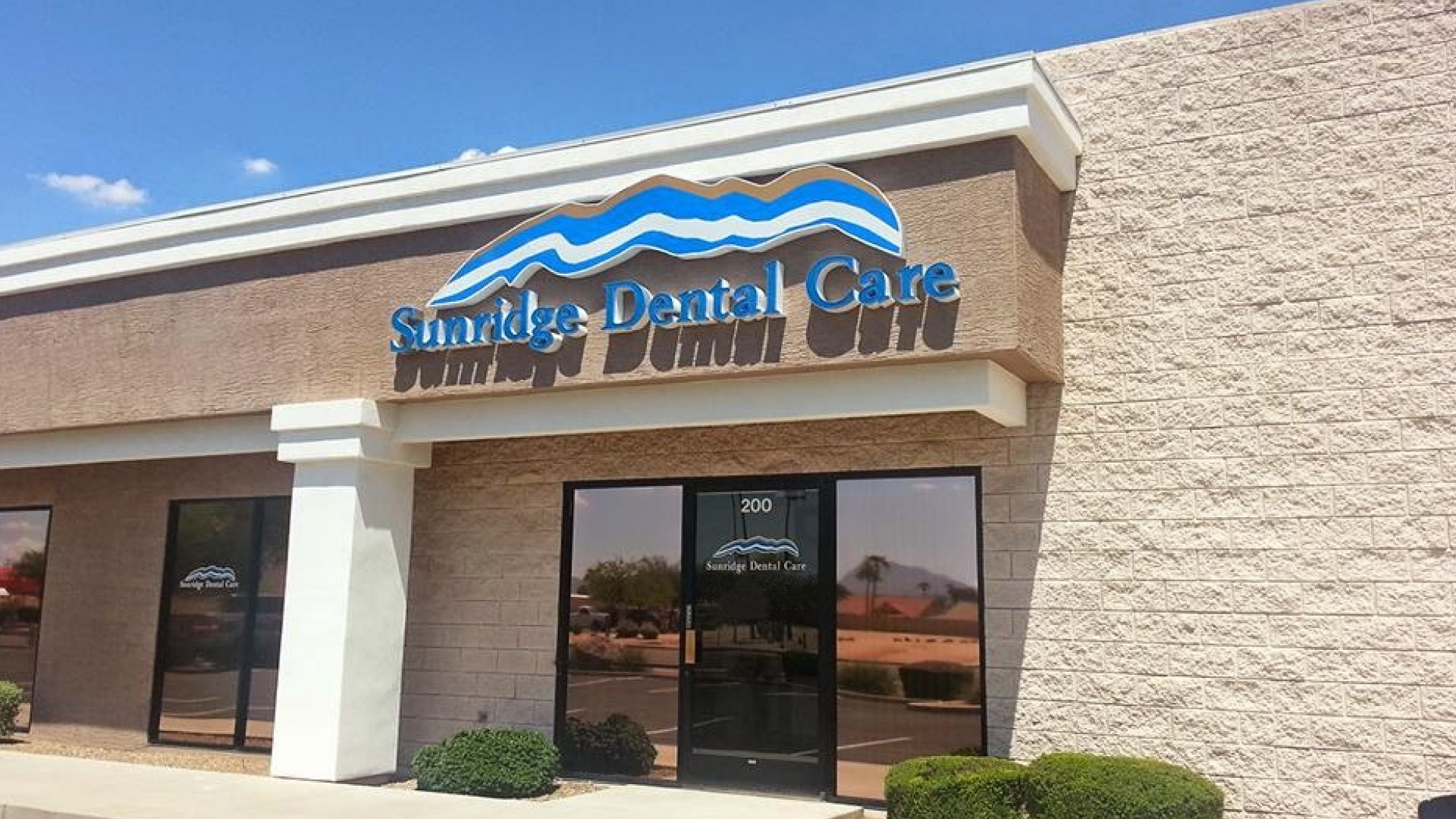
Visit us at 13830 W Camino Del Sol # 200, Sun City West, AZ 85375 to schedule your appointment and protect your oral health today.
FAQs About Tartar and Home Removal
1. What is the difference between plaque and tartar?
Plaque is a soft, sticky film of bacteria that forms on teeth and can be removed with brushing and flossing. Tartar is hardened plaque that cannot be removed at home and requires professional cleaning.
2. Can tartar cause gum disease?
Yes. Tartar irritates the gums, creating inflammation and leading to gingivitis. If left untreated, this condition can progress to periodontitis, which damages the structures that support your teeth.
3. Are there home remedies that work on tartar?
No. While some home remedies may temporarily improve the appearance of your teeth, they cannot remove hardened tartar. Attempting to scrape tartar at home can harm your teeth and gums.
4. How often should I see a dentist for tartar removal?
Most dentists recommend professional cleanings every six months. Those prone to tartar buildup or gum disease may require more frequent visits.
5. Can tartar buildup lead to bad breath?
Yes. The bacteria in tartar produce compounds that cause chronic bad breath. Removing tartar professionally can significantly improve oral hygiene and reduce bad breath.
6. Does tartar removal hurt?
Tartar removal is usually painless, though some patients may experience mild sensitivity during or after the cleaning. Dentists can provide options to minimize discomfort.
7. How can I prevent tartar from forming?
Good oral hygiene, regular dental visits, a balanced diet, and avoiding tobacco are key strategies to prevent tartar buildup.