A damaged or weakened tooth can affect more than your smile. It may make chewing uncomfortable, increase sensitivity, or create concerns about future oral health. A dental crown is a restorative treatment designed to protect and strengthen a tooth when a filling or other options may not provide enough support.
At Sunridge Dental Care, patients receive personalized guidance to understand whether this treatment is the right choice for their needs. Dr. Colson helps patients from Sun City and nearby locations evaluate their oral health and explore restorative solutions that protect their natural teeth.
If you are searching for dental crowns in Sun City West, understanding who qualifies for this treatment can help you make an informed decision about your smile.
What Is a Dental Crown?
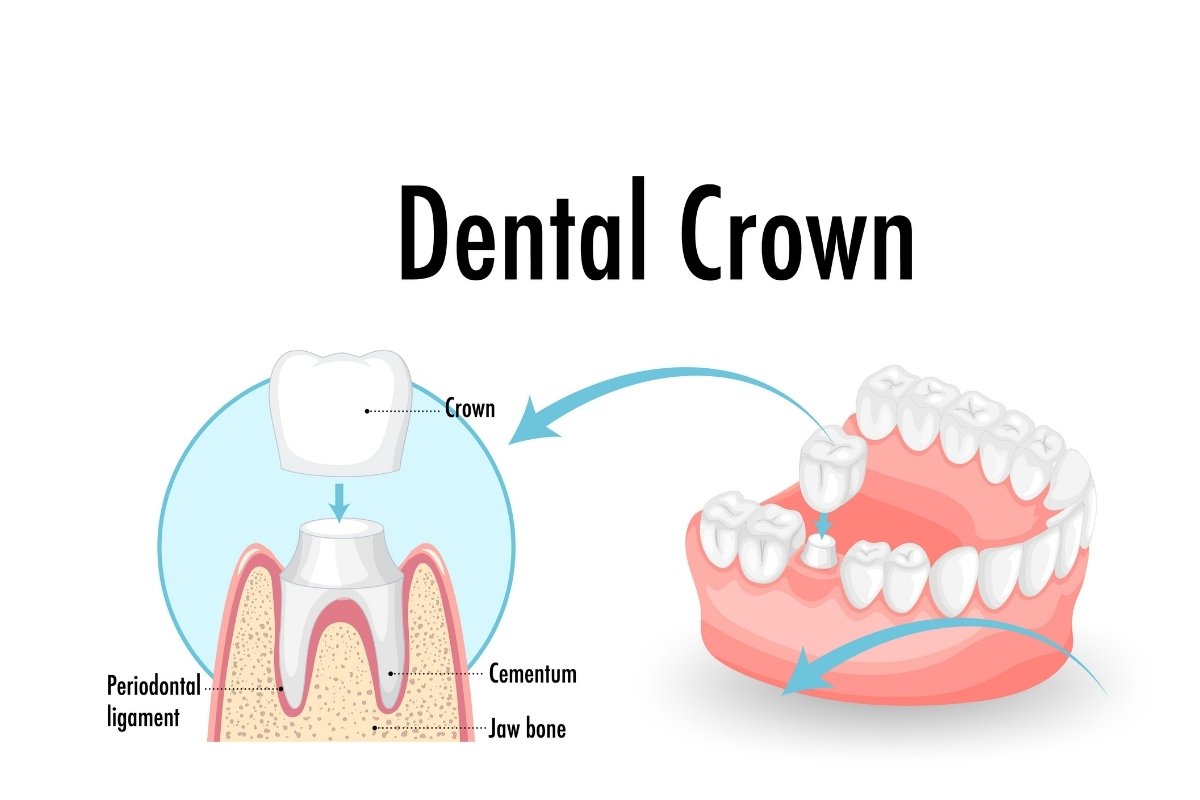
This dental restoration option is a protective covering placed over a damaged tooth to restore its shape, strength, and function. It surrounds the visible portion of the tooth and helps protect it from additional wear or damage.
Dentists may recommend this restoration when a tooth has lost significant structure due to decay, injury, cracks, or previous dental procedures. Crowns can also improve the appearance of teeth that are misshapen, worn down, or discolored.
The goal is to preserve the natural tooth while restoring comfortable biting and a natural-looking smile.
Who Is a Candidate for a Dental Crown?
Not every tooth problem requires the same type of treatment. A dental examination helps determine whether a crown is appropriate based on the condition of the tooth and surrounding structures.
You may be a candidate if you have:
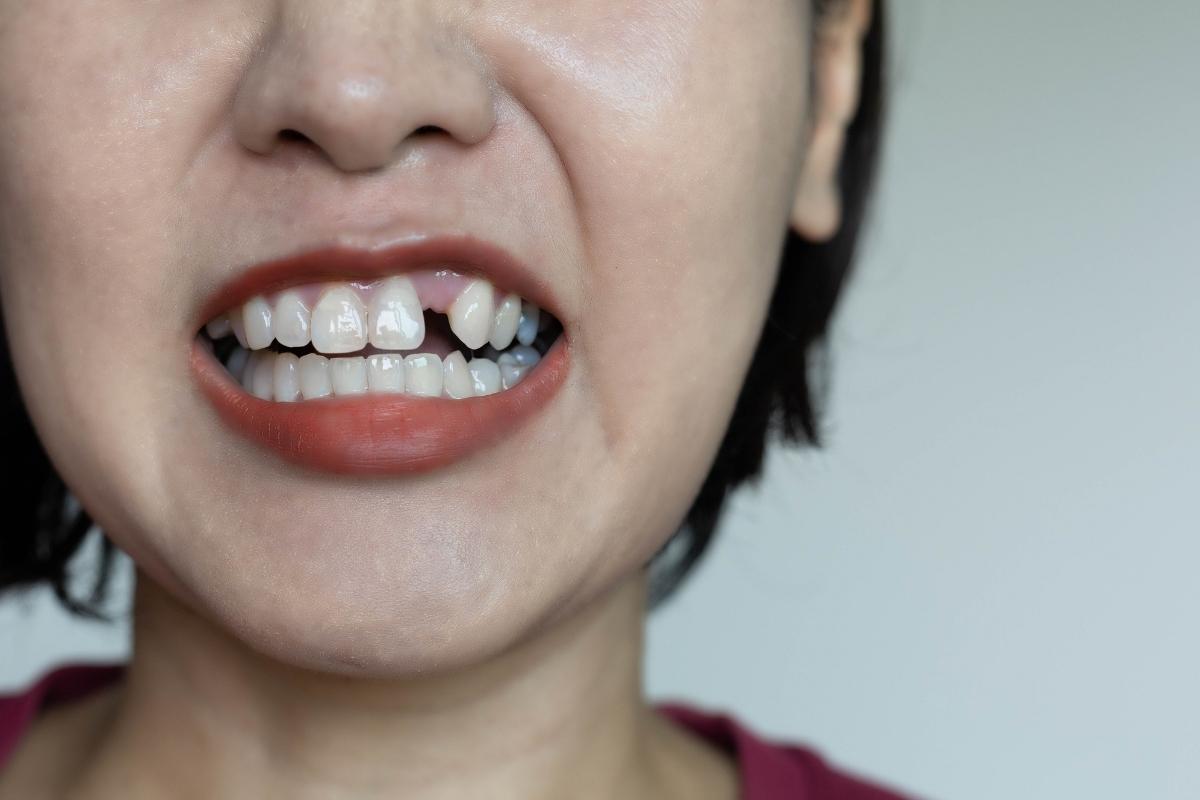
A Cracked or Broken Tooth
A tooth with a large crack or fracture may not have enough strength to function normally. A crown can help hold the tooth together and reduce the risk of further damage.
A Tooth With Extensive Decay
When decay affects a large portion of a tooth, a filling may not provide enough support. A crown can cover and protect the remaining healthy tooth structure after the damaged area is removed.
A Tooth After Root Canal Treatment
A tooth that receives root canal therapy may become more fragile over time. Placing a crown can help protect the tooth and restore its ability to handle normal chewing pressure.
A Worn or Weakened Tooth
Teeth can wear down due to grinding, aging, or long-term stress. A crown may help rebuild the tooth’s shape and improve daily function.
A Tooth With Cosmetic Concerns
Some patients choose crowns to improve the appearance of teeth that are severely damaged, uneven, or noticeably discolored.
What Factors Determine Dental Crown Candidacy?
Before recommending treatment, a dentist considers several factors to ensure the tooth can successfully support a crown.
Important considerations include:
- The amount of healthy tooth structure remaining
- The condition of the tooth root
- The health of the nearby gums and supporting bone
- Your bite alignment and chewing habits
- Your overall oral hygiene routine
A complete evaluation, including a dental exam and imaging as needed, helps identify the most suitable approach to protect your smile.
Benefits of Choosing a Tooth Crown
When a tooth needs additional protection, a crown can offer several important benefits.
Restores Tooth Strength
A damaged tooth may become weaker and more vulnerable to breaking. A crown provides coverage that helps reinforce the tooth and allows it to handle everyday pressure.
Improves Chewing Function
A weakened tooth can make eating uncomfortable. Restoring the tooth’s shape can help improve bite function and make daily activities easier.
Protects Natural Teeth
Preserving your natural teeth is an important part of maintaining long-term oral health. A crown can help protect a tooth that might otherwise require extraction if the damage continues.
Enhances Smile Appearance
Modern materials allow crowns to closely match the color and appearance of natural teeth, helping create a more balanced smile.
What Happens During the Dental Crown Process?
The crown process typically begins with a consultation where the dentist examines the tooth and discusses your treatment options.
The general steps may include:
- Evaluating the tooth and determining whether a crown is appropriate
- Preparing the tooth by removing damaged areas and creating space for restoration
- Taking impressions or digital scans for accurate design
- Placing a temporary restoration if needed
- Attaching the permanent crown after it is created
The final restoration is checked for proper fit, comfort, and bite alignment before completion.
Why Choose Sunridge Dental Care for Your Dental Crown Treatment?
Choosing the right dental office for restorative care can make your treatment experience more comfortable and predictable. At Sunridge Dental Care, patients receive comprehensive evaluations and restorative solutions to improve tooth health and function.
Whether you have a cracked tooth, severe decay, or a weakened restoration, the dental team can help determine if a crown is the right option for your smile. If you are considering dental crowns in Sun City West, visiting a dental provider can help you understand your options and take the next step toward protecting your teeth.
To learn more about your treatment choices, visit our dental office for a consultation and personalized evaluation.
Protect Your Smile With the Right Restorative Care
A damaged tooth does not always mean it needs to be removed. With the right treatment, many teeth can continue supporting your smile for years. A dental crown can restore strength, improve function, and protect a tooth affected by damage or wear.
If you are experiencing tooth sensitivity, cracks, discomfort when chewing, or concerns about a weakened tooth, do not wait for the problem to worsen. Contact us to explore whether a crown is the right solution for your needs.
For reliable care and dental crowns in Sun City West, book an appointment today and take the next step toward a stronger, healthier smile.
Frequently Asked Questions
1. How do I know if I need a dental crown?
A dentist can determine whether a crown is needed after examining your tooth’s condition. Cracks, large cavities, worn teeth, or damage after root canal treatment may require additional protection.
2. Is getting a dental crown painful?
The procedure is performed using local anesthesia to keep you comfortable. Some mild sensitivity may occur afterward, but it usually improves as your tooth adjusts.
3. How long does a dental crown last?
With proper oral hygiene and regular dental visits, crowns can last many years. Their lifespan depends on factors such as bite pressure, daily care, and the condition of the supporting tooth.
4. Can a crown fix a severely damaged tooth?
A crown may restore a tooth that has lost significant structure but still has enough healthy support. A dental examination is needed to determine if it is a suitable option.
5. Are dental crowns only used for damaged teeth?
Crowns are commonly used for damaged teeth but may also improve the appearance and function of teeth affected by wear, shape concerns, or previous treatments.
6. How can I care for my tooth after getting a crown?
Maintaining regular brushing, flossing, and dental checkups helps protect your crown and surrounding teeth. Avoiding habits that place excessive pressure on teeth can also support long-term results.