Dental veneers are a fantastic way to achieve a bright, uniform smile, but they require proper care to maintain their appearance and durability. One of the most important aspects of veneer maintenance is watching what you eat. Certain foods can cause staining, chipping, or premature wear, reducing the lifespan of your veneers. In this blog, we’ll explore the foods you should avoid to keep your veneers in top condition.
Why Food Choices Matter for Veneers
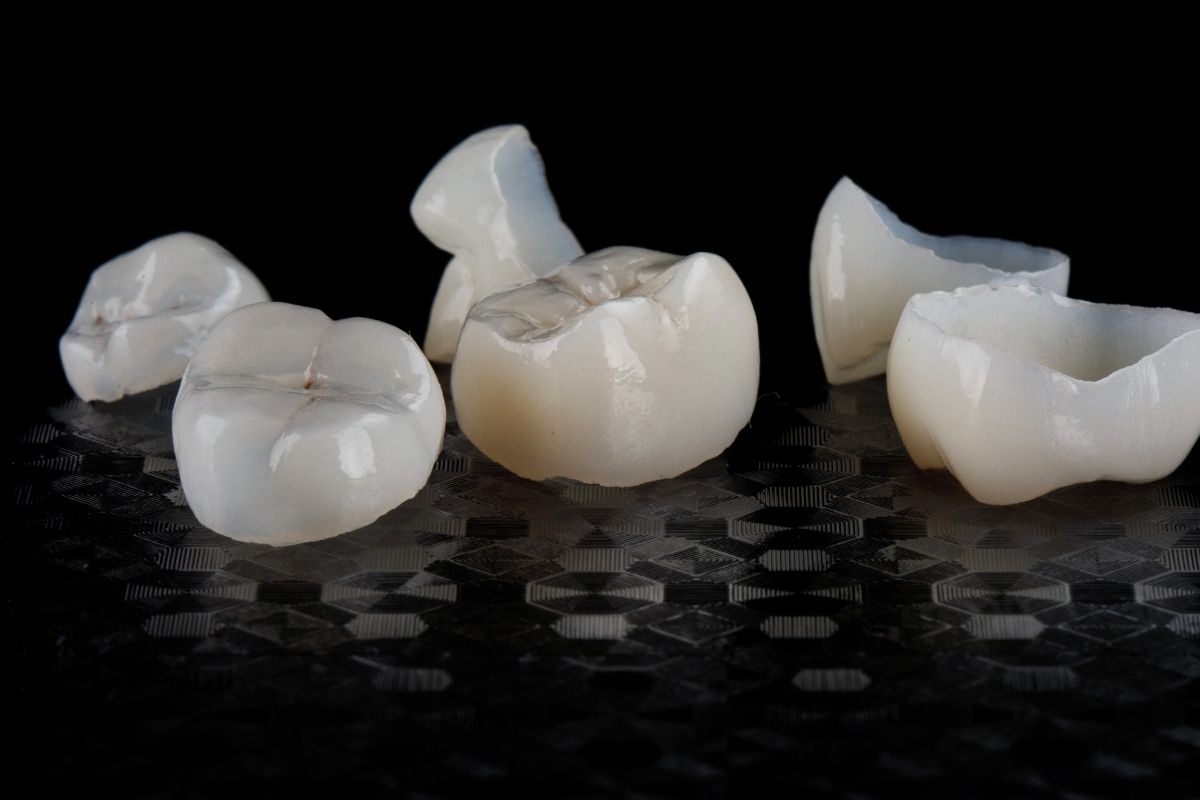
Veneers are typically made from porcelain or composite resin, both of which are durable but not indestructible. While they are designed to resist staining and wear, they are still susceptible to damage if exposed to excessive force or certain staining agents. Making mindful food choices helps prevent discoloration, cracks, and unnecessary wear.
Foods and Drinks to Avoid with Veneers
1. Hard Foods That Can Crack Veneers
Biting into very hard foods can put excess pressure on veneers, leading to chips or fractures. Avoid the following:
- Hard candies (e.g., jawbreakers, lollipops)
- Ice cubes (chewing ice is a common cause of veneer damage)
- Nuts (especially unchopped almonds or hazelnuts)
- Popcorn kernels (accidentally biting an unpopped kernel can cause breakage)
- Hard bread crusts and croutons
2. Sticky and Chewy Foods That Can Weaken Bonds
Sticky foods can loosen or pull veneers away from your teeth over time. These include:
- Caramel and toffee
- Chewing gum
- Taffy and gummy candies
- Dried fruits (like raisins and dates)
3. Acidic Foods That Can Weaken Veneer Adhesive
Highly acidic foods and drinks can wear down the bonding agent used to attach veneers to your teeth. To prevent this, limit consumption of:
- Citrus fruits (lemons, oranges, grapefruits)
- Vinegar-based dressings
- Tomato-based sauces
- Soda and carbonated beverages
- Wine (both red and white can be acidic)
4. Staining Foods and Drinks That Can Dull Veneers
While porcelain veneers are resistant to staining, the natural teeth surrounding them can become discolored, leading to an uneven look. Composite resin veneers are more prone to staining. To keep your smile bright, minimize:
- Coffee and black tea
- Red wine
- Berries (blueberries, blackberries, cherries)
- Dark-colored sauces (soy sauce, curry, balsamic vinegar)
5. Extremely Hot or Cold Foods That Can Cause Sensitivity
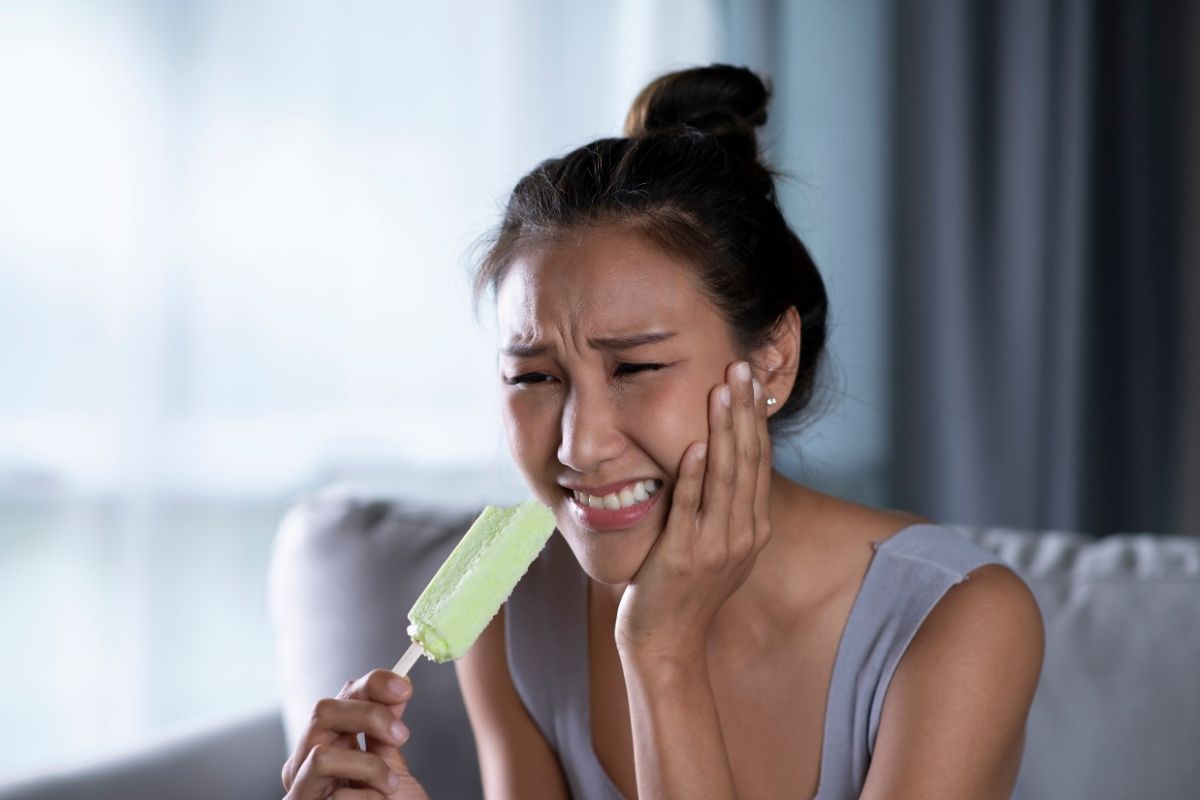
Veneers don’t have nerves, but the teeth underneath them do. Extreme temperatures can cause discomfort or affect bonding. Be cautious with:
- Hot soups and beverages
- Ice-cold drinks and frozen desserts
Tips for Protecting Your Veneers While Eating
- Cut Hard Foods into Small Pieces: Instead of biting directly into an apple or raw vegetables, slice them into manageable pieces.
- Use a Straw for Staining Beverages: This helps minimize direct contact between drinks and your veneers.
- Drink Water After Eating Staining Foods: Rinsing your mouth helps reduce the effects of pigments that can dull your smile.
- Avoid Using Your Teeth as Tools: Never use your teeth to open packages or crack nuts, as this can damage veneers.
Dental veneers can last for many years with proper care, including mindful eating habits. By avoiding hard, sticky, acidic, and staining foods, you can keep your veneers looking beautiful and undamaged. If you’re unsure about certain foods or experience any issues with your veneers, consult your dentist for guidance. With the right precautions, your smile will remain bright and flawless for years to come!