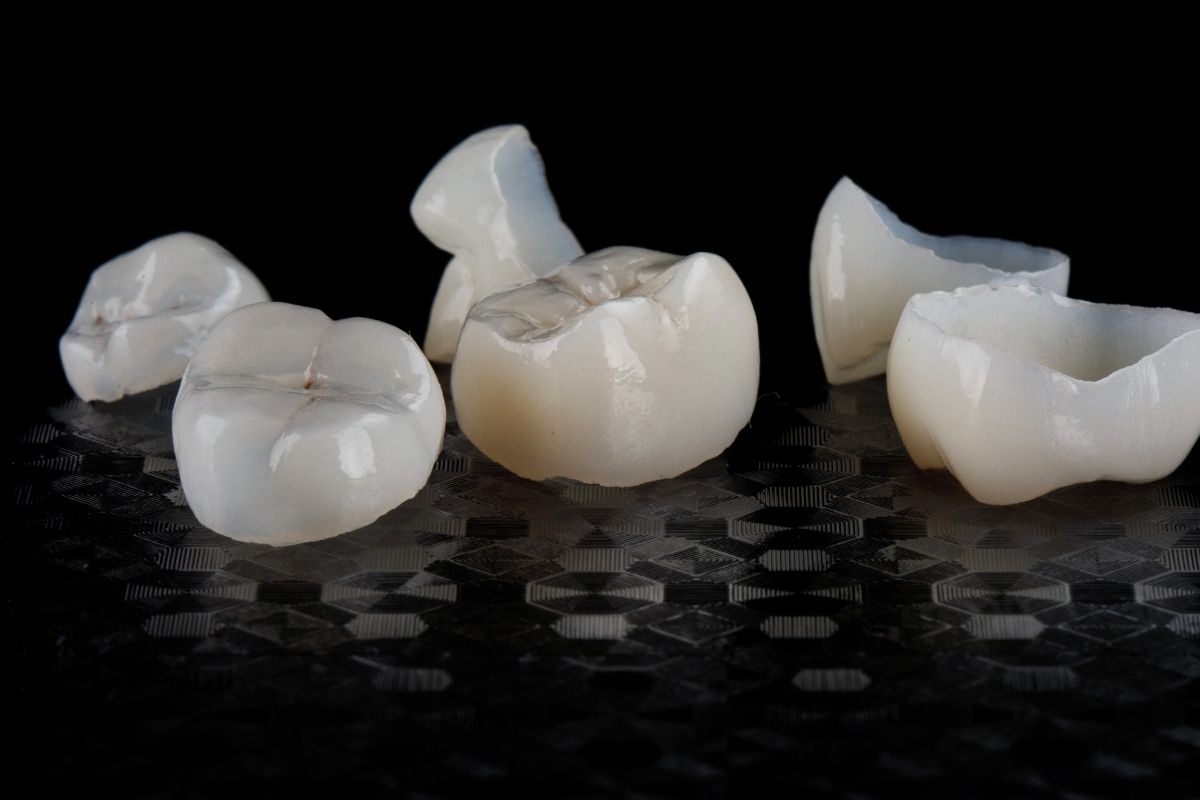
When it comes to restoring a healthy, functional, and beautiful smile, dental crowns and bridges are two of the most common—and effective—treatment options available. These custom-made dental restorations not only repair damaged teeth but also help maintain the overall structure and alignment of your mouth. Whether you’re dealing with a broken tooth, severe decay, or missing teeth, crowns and bridges may offer the perfect solution to restore your oral health and confidence.
In this blog, we’ll explore what crowns and bridges are, how they work, and the situations where your dentist might recommend them.
What Are Dental Crowns?
A dental crown is essentially a “cap” that’s placed over a tooth to restore its shape, size, strength, and appearance. Crowns fully encase the visible portion of a tooth above the gum line and are custom-made to match the natural color and shape of your teeth.
Types of Materials Used:
- Porcelain or ceramic—offers the most natural appearance and is often used for front teeth.
- Porcelain-fused-to-metal—Combines the strength of metal with the aesthetics of porcelain.
- Gold alloys—very durable and biocompatible, often used for molars.
- Zirconia—Highly durable and increasingly popular for its strength and lifelike appearance.
When Do You Need a Crown?
Your dentist may recommend a dental crown if you:
- Have a tooth with a large cavity that can’t be repaired with a filling.
- Have a tooth that’s cracked, chipped, or weakened.
- Have undergone a root canal, which can leave a tooth brittle and more prone to damage.
- Have a severely worn-down tooth due to grinding or acid erosion.
- Want to cover a discolored or misshapen tooth for cosmetic reasons.
- Need to restore a dental implant.
What Are Dental Bridges?
A dental bridge is used to replace one or more missing teeth by “bridging” the gap between two healthy teeth. It typically consists of two crowns (called abutments) on either side of the gap and one or more pontics (artificial teeth) in the middle.
The bridge is cemented into place and functions like your natural teeth, allowing you to eat, speak, and smile with ease.
Types of Dental Bridges:
- Traditional bridge—The most common type; uses crowns on both sides of the gap.
- Cantilever bridge—anchored by a crown on only one side.
- Maryland bridge—Uses a metal or porcelain framework bonded to the back of adjacent teeth; often used for front teeth.
- Implant-supported bridge—Uses dental implants instead of natural teeth for support, ideal for replacing several missing teeth.
When Is a Bridge Recommended?
Your dentist might suggest a dental bridge if you:
- Have one or more missing teeth.
- Want to prevent adjacent teeth from shifting into the gap.
- Need to restore proper chewing and speech function.
- Want to maintain your facial shape and bite alignment?
- Aren’t a good candidate for implants due to bone loss or health conditions.
Benefits of Dental Crowns and Bridges
Choosing crowns or bridges as part of your dental treatment plan can provide several long-lasting benefits, including
1. Restored Function
You’ll be able to chew and speak properly again, without discomfort or limitations.
2. Enhanced Appearance
Modern crowns and bridges are virtually indistinguishable from natural teeth, giving you a confident, beautiful smile.
3. Preserved Tooth Structure
Crowns protect weakened or damaged teeth from further wear or fracture, potentially saving the tooth from extraction.
4. Improved Oral Health
Replacing missing teeth with a bridge prevents remaining teeth from drifting out of place, reducing the risk of bite problems and gum disease.
5. Durability
With proper care, crowns and bridges can last anywhere from 10 to 15 years or longer.
The Treatment Process: What to Expect
For Dental Crowns:
- Initial Consultation & Exam—Your dentist evaluates the tooth and discusses your options.
- Tooth Preparation—A portion of the enamel is removed to make room for the crown.
- Impressions & Temporary Crown—A mold is taken, and a temporary crown is placed.
- Final Crown Placement—Once your custom crown is ready, it’s cemented in place and adjusted for a perfect fit.
For Dental Bridges:
- Consultation—Your dentist checks if the adjacent teeth are strong enough to support a bridge.
- Tooth Preparation—The abutment teeth are reshaped, and impressions are taken.
- Temporary Bridge—A temporary bridge may be placed to protect the prepared teeth.
- Permanent Bridge Placement—Your final bridge is fitted and bonded, restoring function and aesthetics.
How to Care for Your Crown or Bridge
While crowns and bridges are built to last, good oral hygiene is essential to extend their lifespan.
- Brush twice daily with fluoride toothpaste.
- Floss daily, especially around the bridge, using special floss or interdental brushes.
- Avoid hard or sticky foods that can damage the restoration.
- Visit your dentist regularly for cleanings and checkups.
By treating your crown or bridge like your natural teeth, you’ll maintain a strong, healthy smile for years to come.
Are There Alternatives?
Yes, depending on your condition, your dentist may suggest alternatives such as
- Dental implants for permanent tooth replacement.
- Inlays or onlays if a crown isn’t necessary.
- Partial dentures for removable solutions.
Your dentist will walk you through the pros and cons of each option based on your goals, budget, and oral health needs.
Ready to Restore Your Smile?
Dental crowns and bridges are more than just cosmetic enhancements—they’re powerful tools for restoring function, preventing further dental issues, and boosting your overall quality of life. If you’re experiencing discomfort, have missing teeth, or want to explore your options for a stronger, healthier smile, the expert team at Sunridge Dental Care is here to help.
Request an appointment now to meet with our skilled dental professionals. We’ll guide you through every step, explain your treatment options in detail, and help you achieve the confident smile you deserve.