A dental bridge is a time-tested solution for replacing missing teeth, helping to restore your smile, support facial structure, and improve oral function. But like any dental restoration, a bridge needs proper care to ensure its longevity. Without regular maintenance, you risk damaging the bridge, developing gum disease, or even losing the supporting teeth.
In this blog, we’ll walk you through everything you need to know about caring for your dental bridge—from daily cleaning techniques to foods to avoid, professional care, and more. Whether you’re new to bridges or want to refine your routine, these maintenance tips will help keep your restoration in top shape for years to come.
What Is a Dental Bridge?
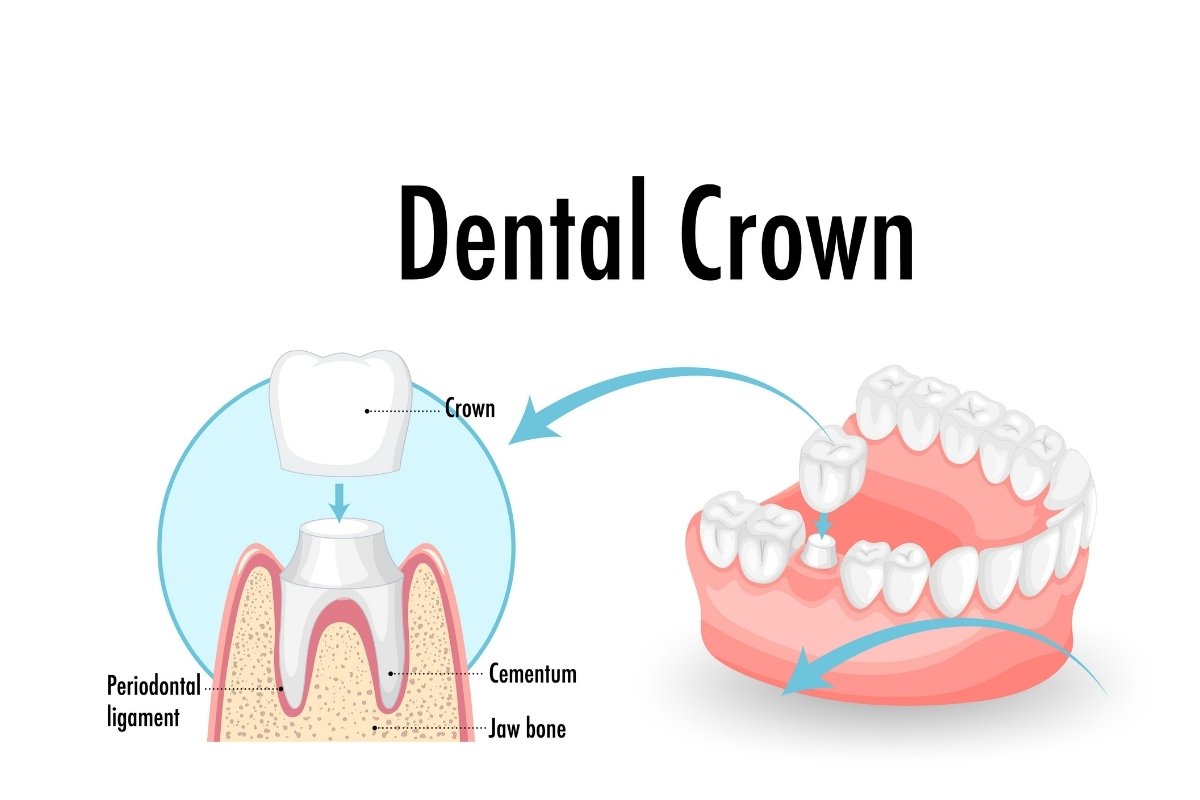
A dental bridge is a fixed dental prosthetic used to fill the gap created by one or more missing teeth. It typically consists of:
- Pontics (the artificial teeth that replace the missing ones)
- Abutments (the neighboring natural teeth or implants that support the bridge)
Bridges come in various forms:
- Traditional bridges (anchored to natural teeth)
- Cantilever bridges (anchored on one side only)
- Maryland bonded bridges (attached with a metal or porcelain framework)
- Implant-supported bridges (attached to dental implants)
Regardless of the type, regular care is essential to maintain both the bridge and the health of your surrounding teeth and gums.
Why Is Dental Bridge Maintenance So Important?
Caring for your dental bridge is crucial for several reasons:
- Prevents plaque buildup around the bridge
- Reduces the risk of decay in abutment teeth
- Maintains gum health to ensure the bridge remains stable
- Increases the lifespan of the bridge (which can last 10–15 years or longer with proper care)
Neglecting oral hygiene can lead to gum disease, bad breath, and damage to the supporting structures—potentially resulting in bridge failure.
Top Maintenance Tips for Your Dental Bridge
1. Brush Twice Daily with a Soft-Bristled Toothbrush
Proper brushing is your first line of defense against plaque and bacteria. Use a soft-bristled toothbrush to gently clean around the bridge and abutment teeth without irritating the gums.
Tip: Angle the brush toward the gumline and spend at least 2 minutes brushing your teeth, twice a day.
2. Use a Non-Abrasive Fluoride Toothpaste
Choose a toothpaste that’s non-abrasive and contains fluoride. This helps prevent decay in the natural teeth supporting the bridge.
Avoid: Whitening toothpastes that contain harsh abrasives, as they can wear down dental restorations.
3. Floss Daily Using a Floss Threader or Super Floss
Flossing can be tricky with a dental bridge since the pontic is not a real tooth and doesn’t have open spaces on either side. That’s where a floss threader or super floss comes in handy.
How to floss under a bridge:
- Thread the floss under the pontic
- Gently clean beneath the artificial tooth and around the gumline
- Use a side-to-side motion, being careful not to pull up or push down forcefully
4. Use an Interdental Brush or Water Flosser
An interdental brush or water flosser can help remove food debris and plaque from hard-to-reach areas. These tools are particularly useful for cleaning underneath the bridge and between abutment teeth.
Tip: Look for brushes that are specifically designed for dental work, or consult your dentist for product recommendations.
5. Rinse with an Antibacterial Mouthwash
Rinsing with an antibacterial or fluoride mouthwash once a day can reduce bacteria, prevent gum disease, and keep your breath fresh.
Tip: Choose an alcohol-free formula if you have sensitive gums or dry mouth.
6. Watch What You Eat
Some foods can damage or dislodge your dental bridge. In the days following your procedure, you’ll need to stick to soft foods, but even long-term, certain items should be limited.
Avoid:
- Very sticky foods (caramel, taffy, gum)
- Hard foods (ice, popcorn kernels, nuts)
- Excessively crunchy or chewy snacks
Recommended foods:
- Cooked vegetables
- Soft fruits
- Lean meats
- Dairy products
Tip: Chew evenly on both sides of your mouth to prevent unnecessary pressure on one side of the bridge.
7. Avoid Smoking and Tobacco Products
Tobacco use is a known risk factor for gum disease, which can undermine the integrity of your dental bridge and the health of your mouth overall.
Tip: If you smoke or use tobacco, consider speaking with a healthcare provider about quitting—your bridge (and your body) will thank you.
8. Be Mindful of Teeth Grinding (Bruxism)
Teeth grinding, or bruxism, can put excessive stress on your dental bridge and lead to fractures or loosening.
Signs of bruxism:
- Worn tooth surfaces
- Jaw pain
- Morning headaches
Tip: If you suspect you grind your teeth at night, ask your dentist about a custom night guard.
9. Schedule Regular Dental Checkups
Visit your dentist at least every six months—or more often if recommended. Professional cleanings and exams help detect early signs of:
- Decay near the abutment teeth
- Gum disease
- Loosening or wear on the bridge
Tip: Be sure to inform your hygienist that you have a bridge so they can use appropriate tools and techniques during cleaning.
10. Address Issues Promptly
If you notice any of the following, contact your dentist right away:
- Pain around the bridge
- Difficulty chewing
- A loose bridge
- Bad taste or odor from the bridge site
These could indicate issues such as infection, damage, or decay. Addressing problems early can prevent more serious complications.
How Long Do Dental Bridges Last?
With proper care, dental bridges typically last between 10 and 15 years, though some can last even longer. Their longevity depends on:
- Daily oral hygiene practices
- Diet and lifestyle
- Regular dental visits
- Overall oral health
Remember: A dental bridge is a significant investment in your smile. Protect that investment by committing to consistent care.
Dental bridges are a reliable and aesthetically pleasing way to restore missing teeth, but their long-term success depends on how well you care for them. By incorporating daily cleaning, making smart food choices, and visiting your dentist regularly, you can ensure your bridge stays strong, functional, and beautiful for many years to come.
If you’re considering dental bridges or need guidance on maintaining your existing restoration, our team is here to help. We specialize in Bridges in Sun City West and are dedicated to providing personalized, gentle care that fits your needs. Request an appointment now to protect your smile and enjoy lasting dental health.