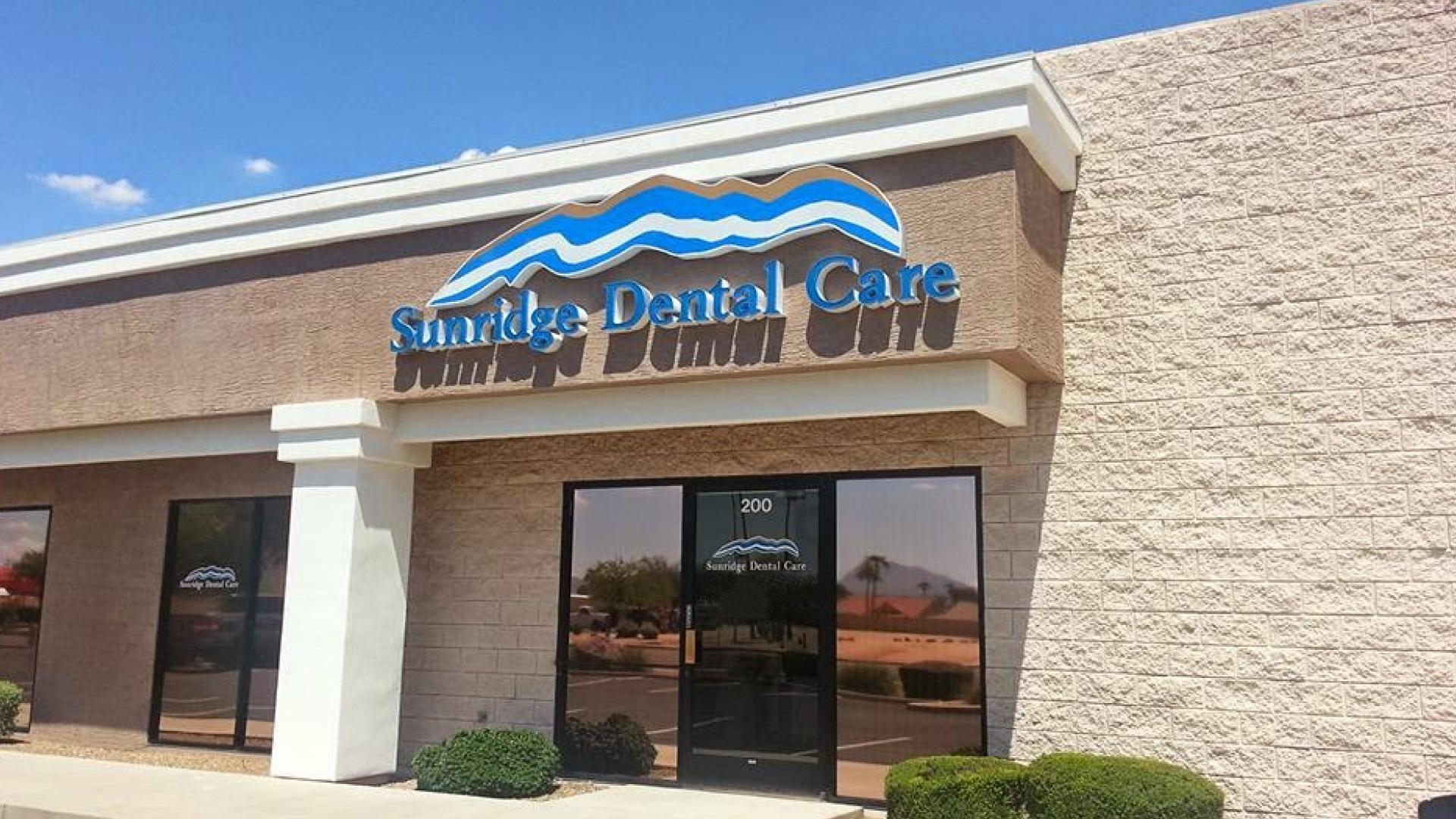
If you live in Sun City West and you are over 60, your mouth is changing in ways you may not fully notice yet. Dry mouth and gum recession accelerate after 60 in Sun City West for very specific reasons — and understanding those reasons helps you protect your teeth. Medications, hormonal shifts, and years of wear all contribute to a perfect storm of dental risk. Dr. Amy Okun and the team at Sunridge Dental Care see these patterns every day, and they want you to be informed.
Why Dry Mouth Becomes a Serious Problem After 60
Dry mouth is not just uncomfortable. It is a direct threat to your dental health. Saliva neutralizes acids, washes away bacteria, and remineralizes tooth enamel. When saliva production drops, decay spreads quickly.
The most common cause of dry mouth in seniors is medication use. Blood pressure medications, antihistamines, antidepressants, and diuretics all reduce saliva flow. Many adults over 60 take three or more of these medications daily.
Sun City West’s warm, dry desert climate makes dehydration worse. Low humidity pulls moisture from your mouth even faster. Staying hydrated helps, but it does not fully replace the protective role of saliva.
Common signs of dry mouth to watch for include:
- A sticky or burning sensation in your mouth
- Difficulty chewing or swallowing dry foods
- Cracked lips or sores at the corners of your mouth
- Frequent bad breath despite good brushing habits
- A sudden increase in cavities
If you notice these signs, mention them to Dr. Okun at your next checkup. There are effective solutions, including prescription fluoride treatments and saliva substitutes.
How Gum Recession Develops and Why It Speeds Up With Age
Gum recession happens when gum tissue pulls away from the tooth surface. This exposes the root of the tooth, which is softer than enamel and far more vulnerable to decay. Root decay is one of the most common dental problems in adults over 60.
Several factors cause gum recession to accelerate after 60. Years of brushing too hard wear down gum tissue over time. Gum disease, which becomes more common with age, destroys the tissue and bone supporting your teeth. Hormonal changes after menopause also affect gum health in women.
Exposed roots create deep pockets where bacteria thrive. Left untreated, this leads to painful infections and even tooth loss. That is why early detection matters so much.
If an infection reaches the pulp of your tooth, you may need advanced care. In some cases, Root Canals Sun City West patients need can save an infected tooth and prevent extraction. Acting quickly always gives you more options.
The Connection Between Dry Mouth, Gum Recession, and Tooth Loss in Sun City West Seniors
Dry mouth and gum recession rarely happen in isolation. They reinforce each other. Less saliva means more bacteria. More bacteria means more gum inflammation. More inflammation accelerates recession. The cycle repeats and worsens if not interrupted.
For many Sun City West seniors, this cycle eventually leads to tooth loss. Once teeth are lost, bone in the jaw begins to shrink — a process called resorption. Bone loss then affects whether dental implants are a viable option later on.
This is why consistent dental checkups after 60 are not optional. They are essential. Dr. Okun can identify early signs of recession and decay before they reach a critical point.
Here are the key risk factors that accelerate tooth loss in seniors:
- Untreated gum disease left to progress over years
- Chronic dry mouth reducing natural bacterial defense
- Root surface decay spreading faster than enamel decay
- Skipping professional cleanings due to cost or discomfort concerns
- Poorly fitting dentures creating pressure on gum tissue
Restorative Options That Work Well for Patients Over 60
Losing teeth does not mean losing quality of life. Modern dentistry offers strong, natural-looking solutions designed specifically for older adults. The right choice depends on your bone density, overall health, and personal goals.
Dental implants are the gold standard for replacing missing teeth. They function like natural tooth roots and prevent further bone loss. Many patients in Sun City West are excellent implant candidates well into their seventies and beyond.
For patients who need to replace multiple teeth at once, implant-supported dentures offer a stable, comfortable alternative to traditional dentures. They do not slip, do not require adhesive, and allow you to eat most foods confidently.
Traditional Dentures Bridges Sun City West patients rely on are also an excellent solution when properly fitted and maintained. Dr. Okun evaluates each patient individually to determine which option suits their specific situation best.
Dental crowns protect teeth that have experienced significant decay or fracture. When a tooth is damaged but still has a viable root, a crown can extend its life for many years. Fillings and sealants help protect remaining healthy teeth from future decay.
What You Can Do Right Now to Protect Your Smile
Prevention is always more effective than treatment. Small daily habits make a significant difference in slowing gum recession and managing dry mouth over time. Start with these practical steps today.
Drink water consistently throughout the day. Sipping water between meals rinses bacteria and keeps oral tissues hydrated. Avoid alcohol-based mouthwashes, as they dry out oral tissue further.
Switch to a soft-bristled toothbrush and use gentle, circular strokes. Hard brushing is one of the leading causes of gum recession in older adults. Ask Dr. Okun to evaluate your brushing technique at your next visit.
Schedule professional cleanings at least twice a year. Cleanings remove hardened tartar that brushing cannot reach. They also give Dr. Okun and her team the chance to spot early warning signs before problems escalate.
Talk to your physician about whether any of your current medications list dry mouth as a side effect. Sometimes dosage adjustments or alternative medications are possible. Your physician and dentist can work together as part of your care team.
Frequently Asked Questions
Why does dry mouth get worse as I get older?
Most older adults take multiple medications that reduce saliva production as a side effect. Aging also causes natural changes in salivary gland function. When combined with dehydration from warm climates like Sun City West, dry mouth becomes significantly more pronounced after 60.
Is gum recession reversible?
Once gum tissue has receded, it does not grow back on its own. However, treatment can stop further recession and protect the exposed root surfaces. Gum grafting is one option in severe cases. Early detection and consistent care are the most effective tools available.
How do I know if I am a candidate for dental implants?
Implant candidacy depends on the amount of bone remaining in your jaw, your overall health, and whether any active gum disease has been treated. Dr. Amy Okun conducts a thorough evaluation before making any implant recommendation. Many patients over 60 and even over 70 qualify for implants.
Can dry mouth cause cavities even if I brush regularly?
Yes. Saliva is your mouth’s natural defense against cavity-causing bacteria. Without adequate saliva, bacteria multiply rapidly and acids attack tooth surfaces unchecked. Patients with dry mouth often develop cavities in places they rarely had them before, especially near the gum line and on root surfaces.
How often should seniors visit the dentist in Sun City West?
Most adults over 60 benefit from dental visits every six months at minimum. Patients with active gum disease, dry mouth, or a history of frequent cavities may need more frequent appointments. Dr. Okun tailors each patient’s care schedule based on their individual risk profile.
Your smile deserves expert attention at every stage of life. At Sunridge Dental Care, Dr. Amy Okun and her team understand the unique challenges that come with aging in Sun City West. Book Now to schedule your appointment with our team.