The words “oral surgery” can sound intimidating—but in reality, many oral surgical procedures are routine, safe, and highly effective. In fact, oral surgery often relieves pain, restores function, and prevents more serious health problems.
So, how do you know if you actually need oral surgery?
Below, we’ll break down the most common signs, explain the procedures involved, and help you understand when it’s time to see your dentist for a surgical evaluation.
What Is Oral Surgery?
Oral surgery refers to specialized procedures performed on the teeth, gums, jawbone, and surrounding structures. These treatments go beyond standard cleanings or fillings and are designed to correct complex dental issues.
Oral surgery can be performed by a general dentist with advanced training or an oral and maxillofacial surgeon, depending on the complexity of your case.
Common Signs You May Need Oral Surgery
1. Severe or Persistent Tooth Pain
Ongoing, intense tooth pain that doesn’t improve with basic treatment may signal:
- Deep tooth decay
- A cracked or fractured tooth
- An abscess (infection at the root)
- Impacted teeth
If pain keeps returning or worsens, surgical treatment such as extraction or root-end surgery may be necessary to eliminate infection and protect surrounding teeth.
2. Impacted Wisdom Teeth
Wisdom teeth often don’t have enough space to erupt properly. When they become impacted (stuck beneath the gums or partially erupted), they can cause the following:
- Swelling
- Jaw pain
- Infection
- Damage to neighboring teeth
Wisdom tooth removal is one of the most common oral surgery procedures and can prevent future complications.
3. Swollen or Infected Gums
If you notice:
- Persistent gum swelling
- Pus around a tooth
- A bad taste in your mouth
- Facial swelling
You may have a dental abscess or advanced gum disease. In some cases, surgical intervention is needed to drain an infection or remove severely damaged tissue.
4. Missing Teeth and Jawbone Loss
If you’re missing one or more teeth and considering dental implants, oral surgery is required to place the implant post into the jawbone.
You may also need:
- Bone grafting (if bone density is insufficient)
- Sinus lift procedures (for upper back teeth)
These procedures strengthen the jaw and create a stable foundation for long-term tooth replacement.
5. Difficulty Chewing or Jaw Pain
Chronic jaw discomfort, clicking sounds, or limited movement may indicate:
- Temporomandibular joint (TMJ) disorders
- Jaw misalignment
- Structural abnormalities
In more severe cases, corrective jaw surgery (orthognathic surgery) may be recommended to improve bite alignment and relieve pain.
6. Loose Adult Teeth
Adult teeth should never feel loose. Mobility can result from:
- Advanced gum disease
- Bone loss
- Trauma
If the supporting structures cannot be restored, surgical treatment such as tooth extraction followed by implant placement may be the healthiest long-term solution.
7. Oral Cysts, Lesions, or Abnormal Growths
Unusual lumps, persistent sores, or abnormal tissue changes in the mouth should always be evaluated.
Surgical biopsy or removal may be necessary to:
- Diagnose the condition
- Prevent complications
- Rule out serious concerns
Early detection is critical for maintaining oral and overall health.
Common Oral Surgery Procedures Explained
Let’s take a closer look at some of the most frequently performed oral surgeries.
Tooth Extraction
When a tooth is too damaged to be saved, surgical extraction may be required. This is often necessary for the following:
- Severely decayed teeth
- Broken teeth below the gum line
- Impacted wisdom teeth
Modern techniques and anesthesia make the procedure far more comfortable than most patients expect.
Dental Implant Placement
Dental implants replace missing tooth roots. A small titanium post is surgically inserted into the jawbone and later topped with a crown, bridge, or denture.
Benefits include:
- Natural appearance
- Long-term durability
- Bone preservation
- Improved chewing strength
Bone Grafting
If jawbone loss has occurred due to missing teeth or gum disease, bone grafting may be required before implant placement.
This procedure rebuilds bone volume, creating a strong and stable foundation for future restorations.
Gum Surgery
Advanced periodontal disease can damage gum tissue and bone. Surgical procedures may include:
- Pocket reduction surgery
- Gum grafting
- Tissue regeneration
These treatments help eliminate infection and protect the remaining teeth.
Corrective Jaw Surgery
For patients with severe bite misalignment or jaw abnormalities, orthognathic surgery may improve:
- Chewing efficiency
- Speech clarity
- Facial symmetry
- Chronic jaw pain
This procedure is typically recommended after comprehensive evaluation and planning.
What to Expect During Oral Surgery
Many patients feel anxious about surgery, but understanding the process can ease concerns.
Before the Procedure:
- A detailed exam and imaging (X-rays or 3D scans)
- Discussion of sedation options
- Personalized treatment plan
During the Procedure:
- Local anesthesia, sedation, or general anesthesia (depending on complexity)
- Careful surgical technique to minimize discomfort
After the Procedure:
- Mild swelling and soreness (temporary)
- Clear aftercare instructions
- Follow-up visits to monitor healing
Most patients recover quickly and return to normal activities within a few days.
Is Oral Surgery Painful?
Thanks to modern anesthesia and sedation options, oral surgery is typically much more comfortable than expected. Post-procedure discomfort is usually manageable with prescribed or over-the-counter medication.
Following aftercare instructions—such as avoiding straws, eating soft foods, and keeping the area clean—helps ensure smooth healing.
When Should You See a Dentist?
You should schedule an evaluation if you experience:
- Persistent tooth or jaw pain
- Swelling that doesn’t resolve
- Difficulty chewing
- Bleeding gums
- Missing teeth
- Unusual oral growths
Early diagnosis can often prevent minor issues from becoming major surgical concerns.
The Importance of Timely Treatment
Delaying necessary oral surgery can lead to:
- Spreading infection
- Bone loss
- Increased treatment complexity
- Higher long-term costs
Addressing problems early often results in simpler procedures and faster recovery.
Oral surgery isn’t something to fear—it’s often the solution that restores comfort, function, and confidence. Whether it’s wisdom tooth removal, dental implant placement, or treating advanced gum disease, surgical care plays a vital role in protecting your oral health.
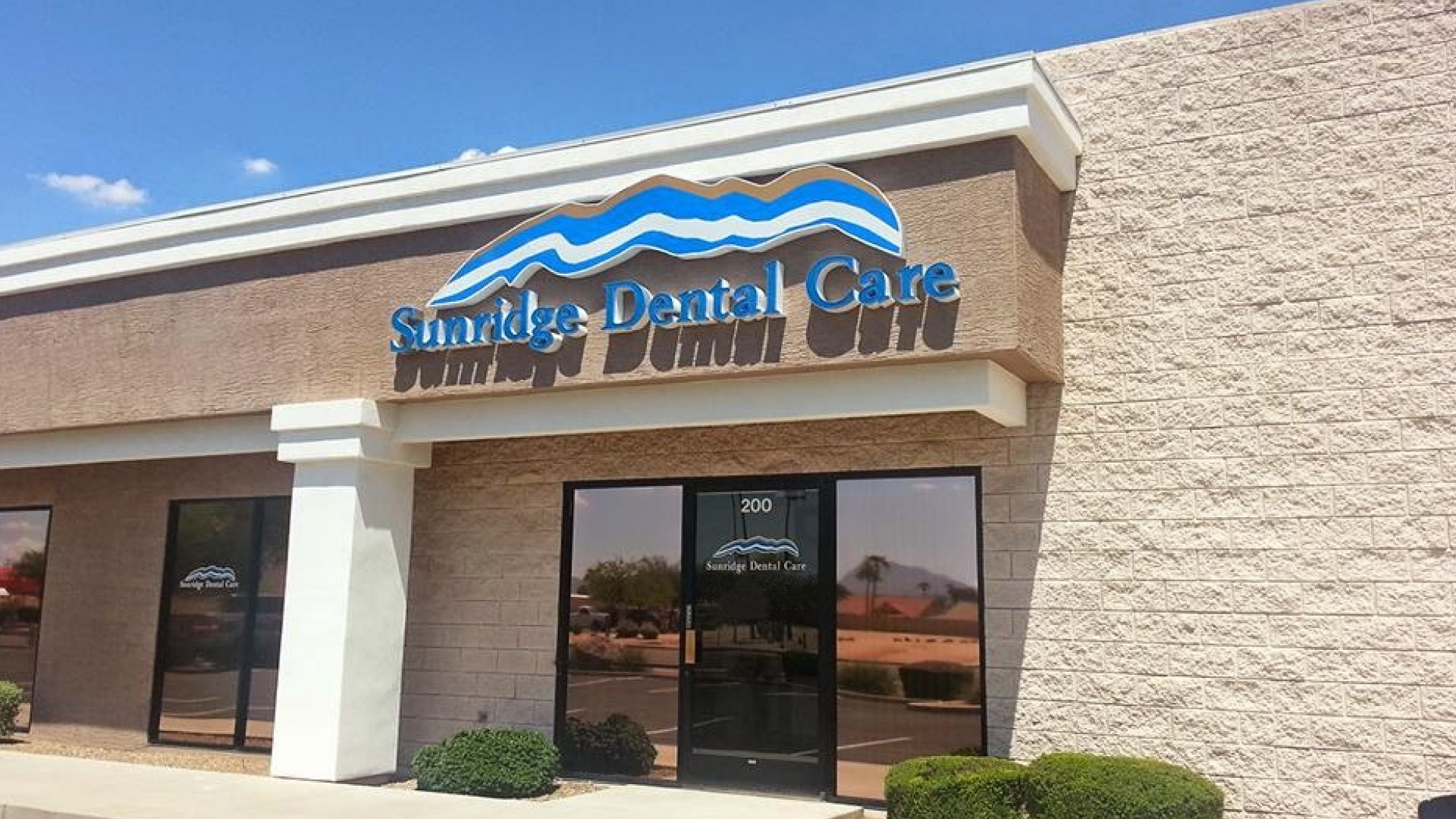
If you’re experiencing any of the warning signs mentioned above, the first step toward relief and long-term wellness is to schedule a dental appointment and visit our office at 13830 W Camino Del Sol #200, Sun City West, AZ 85375, for an evaluation.