When you’re dealing with sudden tooth pain, swelling, or sensitivity, the pressure to find fast relief can be overwhelming. Emergency dentists often see patients experiencing severe discomfort due to deep decay, trauma, or infection inside the tooth. In these urgent cases, two treatments frequently go hand-in-hand: a root canal followed by a dental crown. While both procedures can be done separately, there are several important reasons why emergency dentists choose to combine them to restore comfort, protect the tooth, and prevent future complications.
In this guide, you’ll learn why these treatments complement each other, how they protect your long-term oral health, and what to expect during the process.
Understanding the Purpose of a Root Canal
A root canal is an endodontic treatment used when the inner nerve tissue (pulp) of a tooth becomes infected, inflamed, or damaged. This often happens due to:
- Deep cavities
- Cracks or fractures
- Trauma from an injury
- Failed or leaking dental restorations
During the procedure, the dentist removes the diseased pulp, disinfects the canals, and seals them to stop the infection from spreading. By removing bacteria and damaged tissue, a root canal:
- Saves the natural tooth
- Prevents the need for extraction
- Provides quick pain relief
- Stops the infection from spreading to the jawbone or surrounding teeth
Although a root canal effectively resolves internal infection, the tooth itself becomes more brittle, and this is where a dental crown becomes essential.
Why a Dental Crown Is Often Needed After a Root Canal
After a root canal, the structure of the tooth changes. Without its living pulp, the tooth loses some strength and can’t withstand normal chewing pressure as reliably. A crown solves this by:
1. Reinforcing Tooth Strength
Once the pulp is removed, teeth,especially molars and premolars, become more prone to cracking. A crown completely covers the tooth, restoring durability and allowing you to chew, bite, and speak without worry.
2. Preventing Future Breakage
A weakened tooth has a higher risk of fracturing or breaking over time. If that happens, the tooth may require extraction later. A crown protects the tooth from external forces, dramatically reducing the risk of replacement.
3. Restoring Natural Function and Appearance
Crowns are custom-designed to match your natural teeth in shape, size, and color. They help restore the tooth’s full function so you can smile confidently and eat comfortably.
4. Sealing and Protecting the Tooth
Even after a root canal is cleaned and sealed with filling material, the top portion of the tooth can still be vulnerable. A crown acts as a protective shield that prevents bacteria from entering the treated tooth again, reducing the chance of reinfection.
Why Emergency Dentists Often Combine the Two Treatments
Emergency dental situations require quick, reliable solutions. Combining a root canal with a crown often provides the most effective long-term outcome because:
It Stops Pain at the Source
Root canals eliminate infection, while the crown restores stability—giving you immediate relief and long-lasting protection.
It Protects the Tooth From Immediate Damage
Emergency cases often involve teeth already weakened by decay or trauma. Without a crown, the tooth may break shortly after the root canal.
It Prevents Repeat Emergencies
A crowned tooth is less likely to crack, reinfect, or cause future complications. This means fewer return visits and less chance of a dental emergency recurring.
It Provides Functional and Cosmetic Restoration
Combining both treatments ensures the tooth not only feels better but also looks and works naturally—essential for long-term comfort and confidence.
What to Expect During the Treatment
Emergency dentists streamline the process to ensure comfort and efficiency:
- Examination & X-rays: The dentist identifies the infected area.
- Root Canal Procedure: The infected pulp is removed, the tooth is cleaned, and the canals are sealed.
- Temporary Crown Placement: A temporary crown is placed while the permanent one is custom-made.
- Permanent Crown Placement: During a follow-up visit, the final crown is placed for full protection.
This combination allows the dentist to relieve pain immediately and ensure the tooth remains functional long-term.
Protecting Your Smile for the Future
A root canal alone can save your tooth, but pairing it with a crown ensures it stays strong, stable, and beautiful for years to come. Emergency dentists recommend this combination because it provides complete protection, eliminates pain, and prevents the same issue from returning.
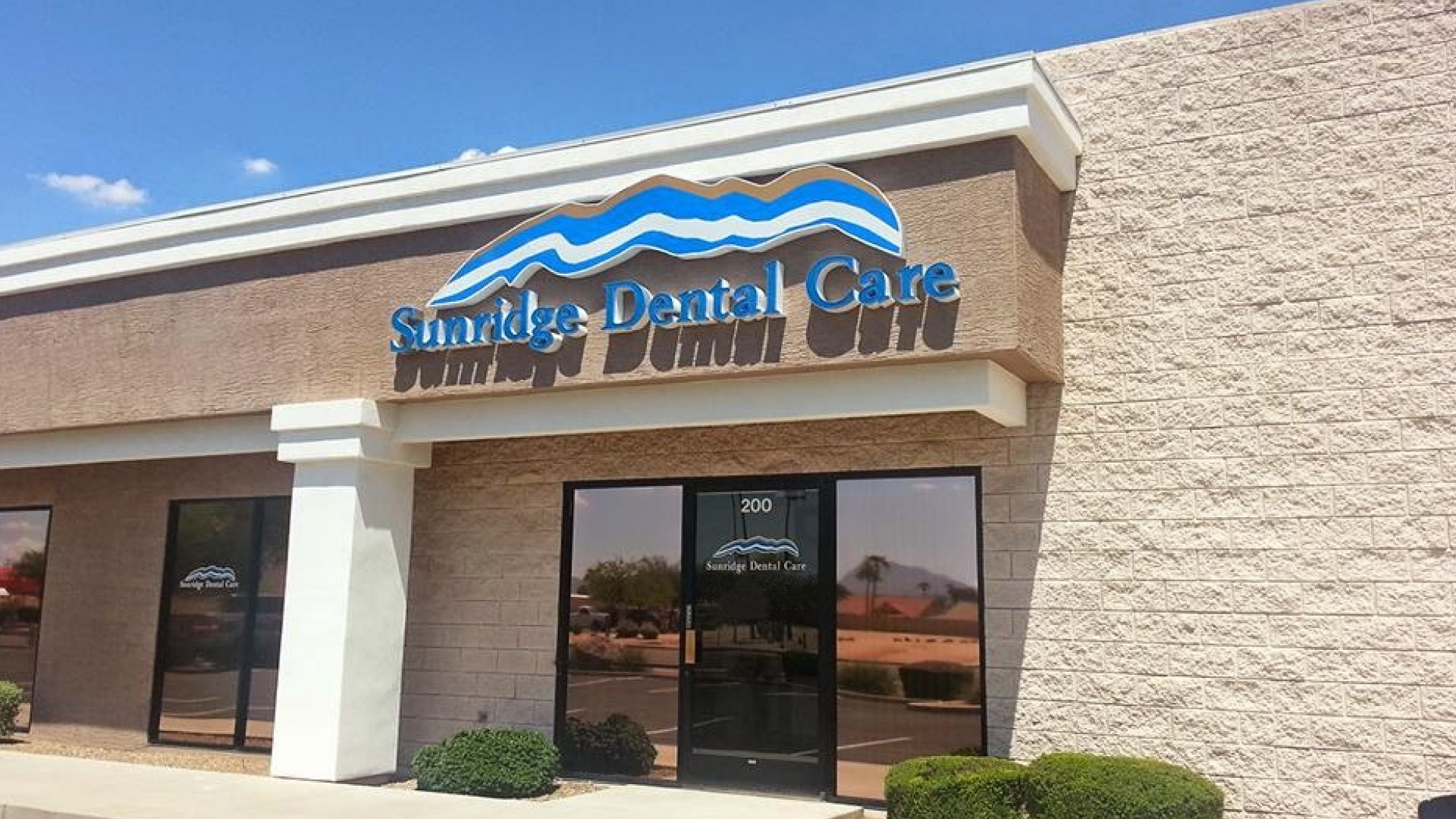
If you’re experiencing tooth pain, sensitivity, or swelling, don’t wait; timely treatment can save your natural tooth and help you avoid more serious complications. Book an appointment today at 13830 W. Camino Del Sol, Suite 200, Sun City West, AZ 85375, USA.
FAQs
1. Does every root canal require a crown?
Not always. Front teeth may not require crowns because they experience less chewing pressure. However, molars and premolars almost always need crowns due to higher bite forces.
2. Is a root canal painful?
No. Modern anesthetics and techniques make root canals comfortable. Most patients report that the procedure feels similar to getting a regular dental filling.
3. How long do root canals with crowns last?
With proper care, including regular dental checkups and good oral hygiene, a root canal paired with a crown can last 10–20 years or more.