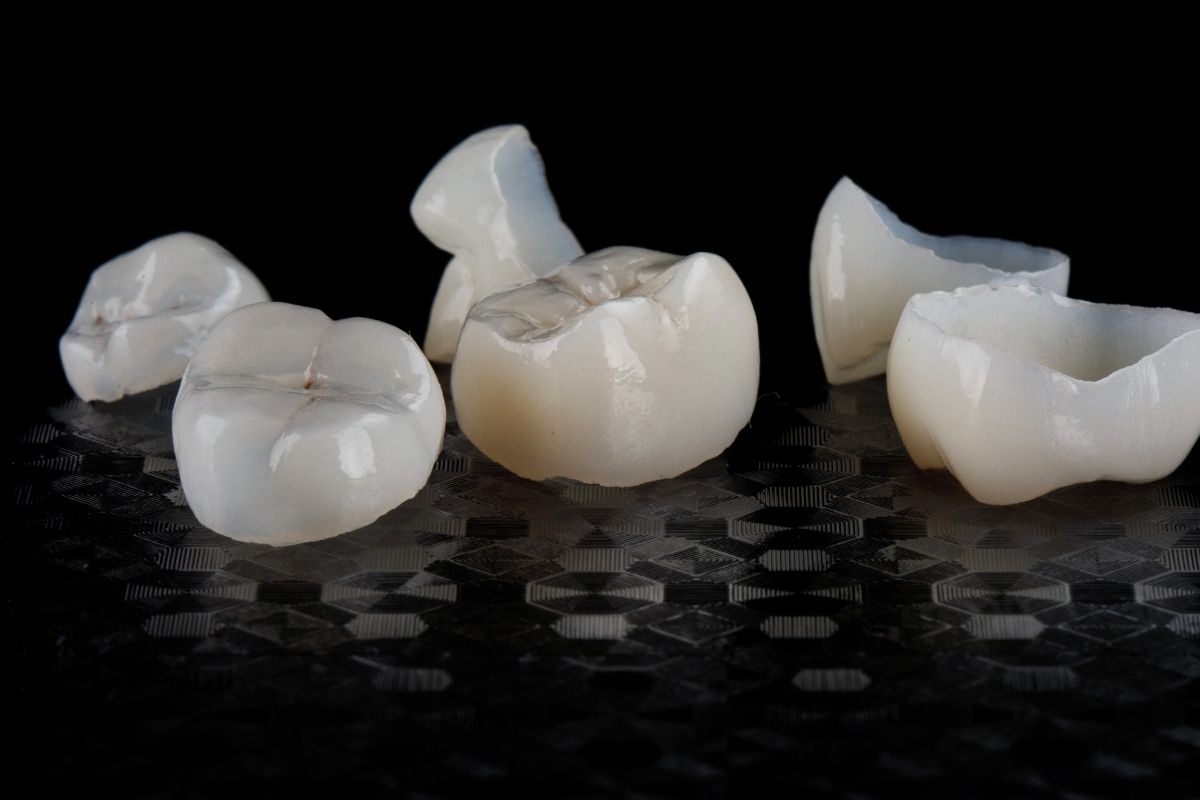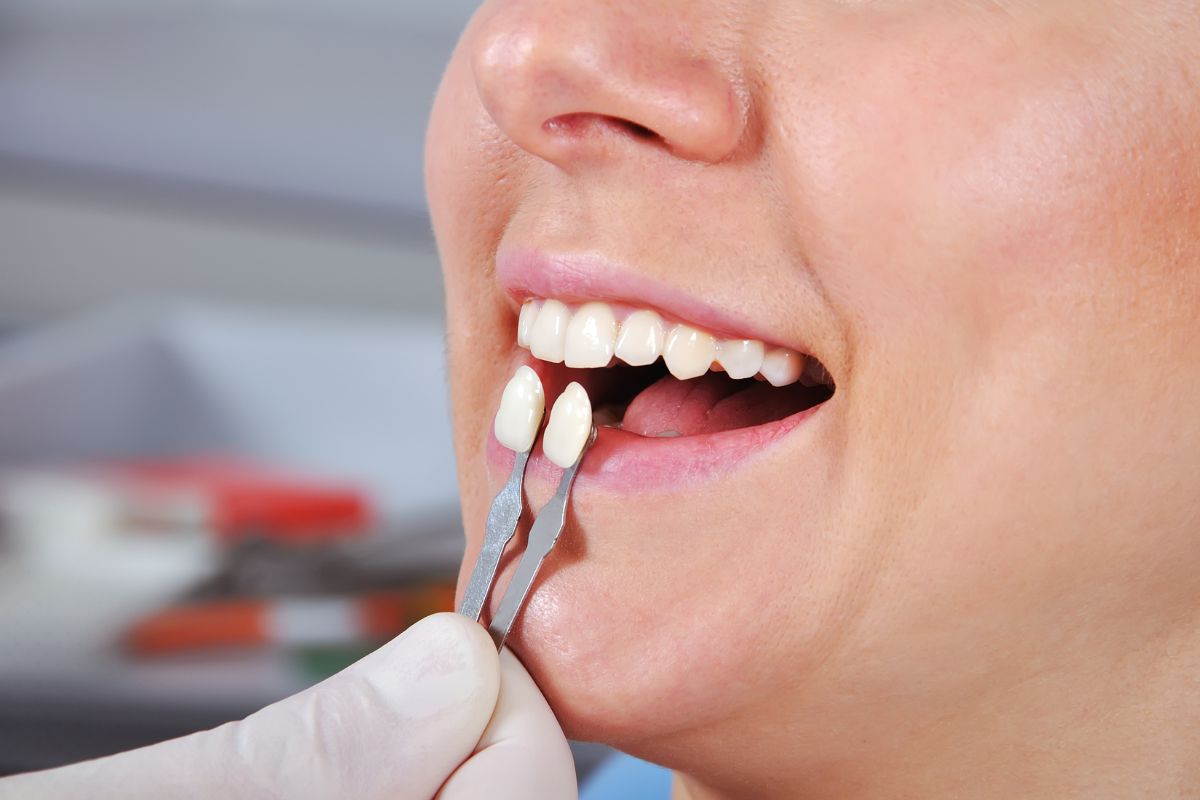
Dental crowns are designed to restore the functionality and appearance of damaged teeth, often lasting for many years with proper care. However, like all dental restorations, crowns can wear down over time or become damaged. Recognizing the signs that your dental crown needs repair or replacement is crucial to maintaining your oral health. Here’s what to watch for and what to do if your crown shows signs of trouble.
1. Persistent Tooth Sensitivity or Pain
While dental crowns are meant to protect your teeth, persistent sensitivity or pain could indicate an underlying problem. Common causes include:
- Decay is developing under the crown.
- A loose crown exposes sensitive tooth structures.
- Improper fit causes bite misalignment.
What to Do: If you experience ongoing discomfort, schedule a dental check-up immediately to address the issue.
2. Visible Damage to the Crown
Cracks, chips, or fractures in the crown are clear signs of damage. These can compromise the crown’s integrity and expose the tooth underneath to bacteria and further decay.
What to Do: Inspect your crown regularly and consult your dentist if you notice any visible damage.
3. Looseness or Mobility
A crown should fit snugly and securely over your tooth. If it feels loose or wobbly, the cement that holds it in place may have weakened, or there could be damage to the underlying tooth.
What to Do: Avoid chewing on the affected side and visit your dentist to re-cement or replace the crown as needed.
4. Dark Lines Around the Crown
Dark lines at the base of a crown, especially porcelain-fused-to-metal (PFM) crowns, can be a cosmetic concern or a sign of gum recession exposing the underlying metal.
What to Do: Discuss with your dentist whether replacing the crown with an all-ceramic or porcelain option would improve aesthetics and functionality.
5. Unusual Wear or Thinning
Over time, crowns may become worn or thin, especially if you grind your teeth or chew hard foods frequently. A worn crown may no longer provide adequate protection.
What to Do: Your dentist can evaluate the wear and recommend replacement if the crown is no longer effective.
6. Swelling or Inflammation Around the Crown
Swelling, redness, or tenderness in the gum tissue near a crown could indicate a problem such as gum irritation, decay, or an ill-fitting crown.
What to Do: Maintain good oral hygiene and consult your dentist for a thorough examination to rule out underlying issues.
7. Food Getting Trapped Around the Crown
If you frequently find food stuck near your crown, it might not be sealing properly against the tooth. This can lead to decay and gum issues if not addressed.
What to Do: Have your dentist check the crown’s fit and make adjustments or replacements as necessary.
8. A Crown That Feels Out of Place
A crown that feels too high or uneven can cause discomfort and affect your bite alignment. This is often due to improper placement or changes in your bite over time.
What to Do: Your dentist can adjust or replace the crown to ensure proper fit and comfort.
9. Age of the Crown
Most crowns have a lifespan of 5 to 15 years, depending on the material and care. Even if there are no visible issues, older crowns may become less effective over time.
What to Do: Regular dental check-ups can help monitor the condition of your crown and determine if a replacement is necessary.
Preventing Crown Issues
To maximize the lifespan of your dental crown:
- Brush and floss daily, paying special attention to the area around the crown.
- Avoid chewing hard objects like ice or pen caps.
- Wear a mouthguard if you grind your teeth.
- Visit your dentist regularly for check-ups and cleanings.
Dental crowns are a durable and effective solution for restoring damaged teeth, but they require proper care and attention. If you notice any of the signs mentioned above, don’t delay in seeking professional help. Prompt action can prevent further complications and ensure your smile stays healthy and functional.