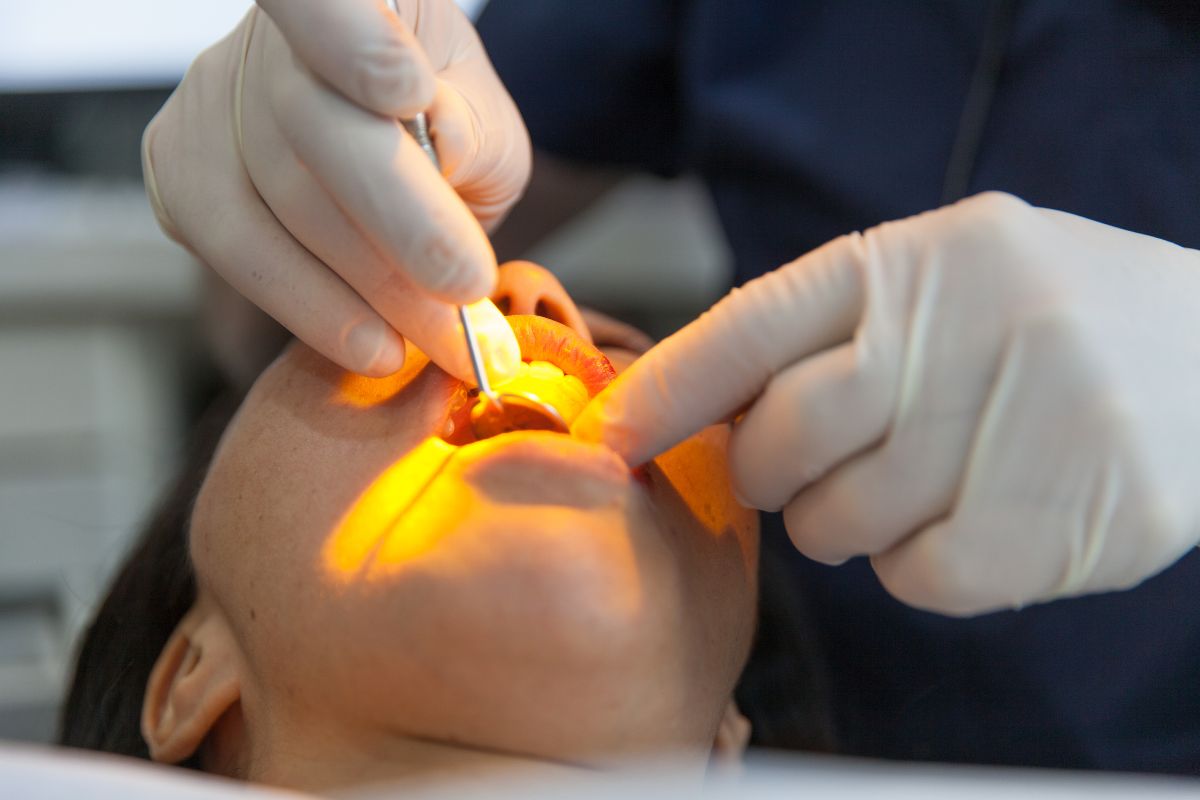
Oral surgery can be essential for addressing various dental and health concerns, from impacted wisdom teeth to dental implants or corrective jaw surgery. However, a smooth and successful recovery is just as important as the surgery itself. Following the proper post-operative guidelines can help reduce complications, minimize discomfort, and promote faster healing.
Here’s a detailed guide on the essential dos and don’ts after oral surgery to support optimal healing and ensure you’re back to your daily routine as soon as possible.
Dos for a Smooth Recovery
- Do Follow Your Dentist’s Instructions Carefully
- Every surgery is different, and your dentist or oral surgeon will provide specific instructions tailored to your case. This may include medication schedules, dietary restrictions, and cleaning techniques to help you recover quickly.
- Do Keep the Surgical Site Clean
- Maintaining oral hygiene is vital to prevent infection. Use a gentle saltwater rinse starting 24 hours after surgery (or as advised) to clean the surgical area. Avoid commercial mouthwashes, as they can be too harsh.
- Do Use Cold Compresses for Swelling
- Swelling is normal following oral surgery and can last a few days. Applying a cold compress to the outside of your cheek for 10–15 minutes at a time can help reduce swelling and numb discomfort, especially in the first 24 hours.
- Do Take Prescribed Medications as Directed
- Your surgeon may prescribe pain relievers, anti-inflammatory medication, or antibiotics to manage pain and prevent infection. Follow the prescribed dosage instructions and complete the full course of antibiotics if given.
- Do Get Plenty of Rest
- Rest is crucial for recovery. Avoid strenuous activity or exercise for at least 48 hours following your surgery. Physical exertion can increase blood flow, which may cause the surgical site to bleed.
- Do Stick to a Soft-Food Diet
- Eat soft, cool foods for the first few days, like yogurt, smoothies, applesauce, or mashed potatoes. Avoid hard, crunchy, or sticky foods that can irritate the surgical site or dislodge blood clots.
- Do Stay Hydrated
- Drinking water is essential for healing. However, sip carefully and avoid using a straw, as the suction can dislodge the blood clot and lead to a painful condition known as dry socket.
Don’ts to Avoid Complications
- Don’t Use a Straw or Spit Forcefully
- After oral surgery, it’s crucial to avoid any actions that create suction in your mouth, such as using a straw or spitting forcefully. Suction can dislodge the blood clot, which may lead to dry socket and delayed healing.
- Don’t Smoke or Use Tobacco Products
- Smoking or using any tobacco product can hinder healing, increase the risk of infection, and make dry socket more likely. Ideally, avoid tobacco use for at least 1–2 weeks after your surgery.
- Don’t Eat Hard, Crunchy, or Hot Foods
- Foods that are hot, hard, or crunchy can irritate the surgical site, increase inflammation, and even dislodge a blood clot. Stick to soft, cool foods until you’re fully healed and your dentist gives the go-ahead to return to regular foods.
- Don’t Touch or Pick at the Surgical Area
- While it’s natural to want to check the site, avoid touching or poking it with your tongue, fingers, or any object. This can introduce bacteria to the area or disrupt the formation of a healthy clot.
- Don’t Ignore Any Persistent or Severe Pain
- Some discomfort is normal after surgery, but if the pain worsens or doesn’t improve over a few days, it could indicate an issue, such as an infection or dry socket. Contact your dentist or surgeon for guidance if you experience unusual or severe pain.
- Don’t Drink Alcohol While Healing
- Alcohol can interfere with the effectiveness of medications, such as antibiotics and pain relievers, and can also delay healing. Avoid alcohol for at least a week or until you’re fully healed.
Additional Tips for a Faster Recovery
- Maintain an Elevated Head Position
Sleeping with your head elevated (using extra pillows) can help reduce swelling. Avoid lying flat, as this can increase blood flow to the head and cause throbbing or bleeding. - Avoid Very Hot or Carbonated Beverages
Hot drinks and carbonation can irritate the surgical site, especially in the first few days. Stick to room-temperature or cold beverages. - Plan Follow-Up Appointments as Needed
Some oral surgeries require follow-up visits to monitor healing or remove stitches. Attend all scheduled appointments to ensure proper recovery. - Watch for Signs of Infection
Symptoms like persistent pain, swelling, fever, or an unpleasant taste or smell in your mouth could indicate an infection. Contact your Sunridge Dental Care if you experience any of these symptoms.
When to Contact Your Dentist or Oral Surgeon
While some soreness and swelling are normal, there are specific signs that may require prompt attention:
- Intense or Worsening Pain
- Pain should decrease over time. If it becomes more severe or unbearable, it could indicate a problem, like dry socket.
- Excessive Bleeding
- Minor bleeding is common in the first 24 hours, but heavy bleeding that doesn’t stop with gentle pressure needs immediate attention.
- Signs of Infection
- Symptoms like fever, pus, or redness that doesn’t subside may suggest an infection.
Your oral surgeon or dentist is there to help you through recovery, so don’t hesitate to reach out if you’re unsure or have questions.
Healing after oral surgery requires patience, care, and adherence to your dentist’s guidelines. By following the dos and don’ts, you’ll minimize the risk of complications, reduce discomfort, and support a smoother recovery. Although it can be tempting to resume normal activities quickly, taking the time to rest and follow these tips can make all the difference in your healing process.
Remember, each person’s recovery is unique. If you experience anything out of the ordinary, like persistent pain or unusual symptoms, reach out to your oral health provider to ensure the best possible outcome. With the right care, you’ll soon be back to normal, enjoying a healthy, pain-free smile.